Understanding the First Covenant: Lessons from the Divine Service
“Then verily the first covenant had also ordinances of divine service, and a worldly sanctuary.” — Hebrews 9:1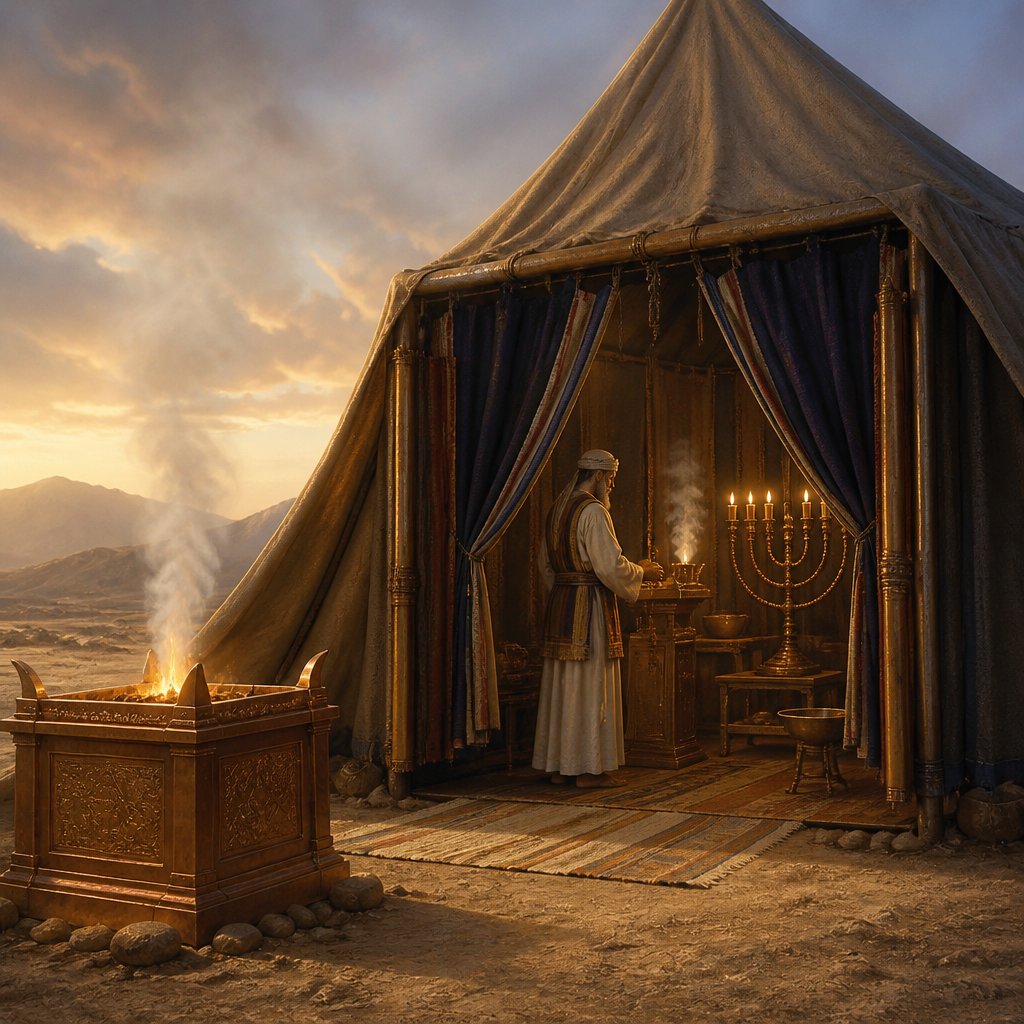
Hebrews 9:1 reads, "Then verily the first covenant had also ordinances of divine service, and a worldly sanctuary." This verse introduces us to the foundational elements of the first covenant, which was established between God and His people through Moses, and sets the stage for understanding God’s redemptive plan through Christ.
In the context of the book of Hebrews, which emphasizes the superiority of Christ’s priesthood and new covenant, the author underscores the significance of the first covenant. It is imperative for us to grasp the meaning of the "ordinances of divine service," as these prescribed actions were not merely rituals, but sacred tasks designed to facilitate the relationship between God and the Israelites. The terms “divine service” reflect the intentional worship and reverence required in approaching a holy God.
The first covenant included laws, commandments, rituals, and sacrifices, each with specific purposes and meanings. These ordinances were more than just rules; they were God's way of teaching His people about holiness, atonement, and grace. They served as a shadow of the ultimate sacrifice that Jesus would later provide. When we look at the detailed regulations concerning offerings and sacrifices outlined in Leviticus, we see that each element was rich with symbolism and profound theological significance.
A key component of the first covenant was the tabernacle, referred to as the "worldly sanctuary" in Hebrews 9:1. The tabernacle served as a mobile dwelling place for God among His people during their journey through the wilderness. It was a tangible representation of God’s presence among the Israelites, a place where they would come to worship, seek forgiveness, and encounter His holiness. The intricate design, from the outer court to the Holy of Holies, was purposeful. Each area of the tabernacle pointed to the layers of the relationship between God and humanity, emphasizing both separateness and intimacy.
As modern-day believers, we often can overlook the significance of these ancient ordinances and the sacredness of worship. Our world is filled with distractions that can easily diminish our sense of reverence for God. Hebrews 9:1 points us to the importance of approaching God with seriousness and intention, as the Israelites did in the tabernacle. We are called to remember that our worship is not only an expression of our love for Him but also a response to who He is.
The New Covenant, established by Christ, fulfills the requirements and ordinances of the first covenant. Jesus was the ultimate sacrifice—the Lamb of God who takes away the sins of the world. He served as our great High Priest, entering not a worldly sanctuary, but the heavenly one. He did not bring the blood of goats and calves; instead, He entered the Holy Place once for all, securing eternal redemption for us (Hebrews 9:12). This truth leads us to profound gratitude as we reflect on how God chose to reconcile us to Himself through the ultimate divine service of His Son.
As we meditate on Hebrews 9:1, let us consider how we approach God in our lives. Are we treating our relationship with Him with the reverence it deserves? Do we recognize the sacrifices made, both in the Old Covenant and ultimately in the New Covenant? In our worship, are we cultivating a heart that understands the gravity of coming before a holy God while also rejoicing in the grace that allows us access?
Moreover, let us not forget our calling to serve Him in our everyday lives, each action we take becoming an act of worship. May our lives reflect the true spirit of the ordinances established under the first covenant, as we embrace the fullness of the New Covenant through Christ. Let us walk in the light of His sacrifice, continually seeking to glorify Him through our service.
Amen.
Get our apps


Artwork for Hebrews 9:1

Hebrews 9:1 - "Then verily the first covenant had also ordinances of divine service, and a worldly sanctuary."
"Then verily the first covenant had also ordinances of divine service, and a worldly sanctuary." - Hebrews 9:1
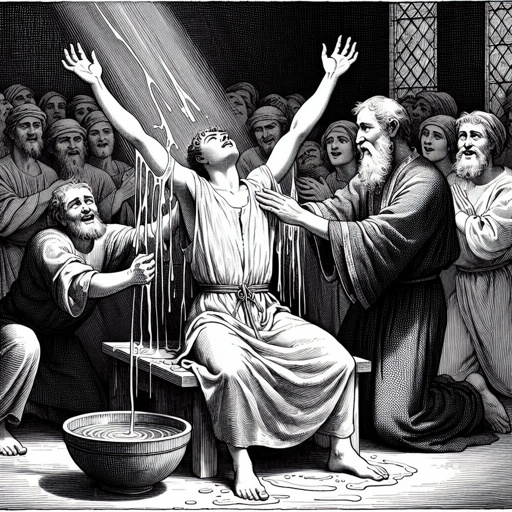
Hebrews 1:9 - "Thou hast loved righteousness, and hated iniquity; therefore God, even thy God, hath anointed thee with the oil of gladness above thy fellows."

1 Samuel 4:9 - "Be strong, and quit yourselves like men, O ye Philistines, that ye be not servants unto the Hebrews, as they have been to you: quit yourselves like men, and fight."

Exodus 9:1 - "Then the LORD said unto Moses, Go in unto Pharaoh, and tell him, Thus saith the LORD God of the Hebrews, Let my people go, that they may serve me."

Hebrews 4:9 - "There remaineth therefore a rest to the people of God."

Hebrews 9:16 - "For where a testament is, there must also of necessity be the death of the testator."

Hebrews 9:18 - "Whereupon neither the first testament was dedicated without blood."

Hebrews 9:27 - "And as it is appointed unto men once to die, but after this the judgment:"

Jonah 1:9 - "And he said unto them, I am an Hebrew; and I fear the LORD, the God of heaven, which hath made the sea and the dry land."

Hebrews 9:3 - "And after the second veil, the tabernacle which is called the Holiest of all;"

Hebrews 9:9 - "Which was a figure for the time then present, in which were offered both gifts and sacrifices, that could not make him that did the service perfect, as pertaining to the conscience;"

Hebrews 9:13 - "For if the blood of bulls and of goats, and the ashes of an heifer sprinkling the unclean, sanctifieth to the purifying of the flesh:"

Hebrews 9:20 - "Saying, This is the blood of the testament which God hath enjoined unto you."

Hebrews 9:21 - "Moreover he sprinkled with blood both the tabernacle, and all the vessels of the ministry."

Hebrews 1:14

Hebrews 1:14

Hebrews 9:17 - "For a testament is of force after men are dead: otherwise it is of no strength at all while the testator liveth."

Hebrews 9:2 - "For there was a tabernacle made; the first, wherein was the candlestick, and the table, and the shewbread; which is called the sanctuary."

Hebrews 9:22 - "And almost all things are by the law purged with blood; and without shedding of blood is no remission."

Hebrews 6:1

Hebrews 3:9 - "When your fathers tempted me, proved me, and saw my works forty years."

Hebrews 9:5 - "And over it the cherubims of glory shadowing the mercyseat; of which we cannot now speak particularly."
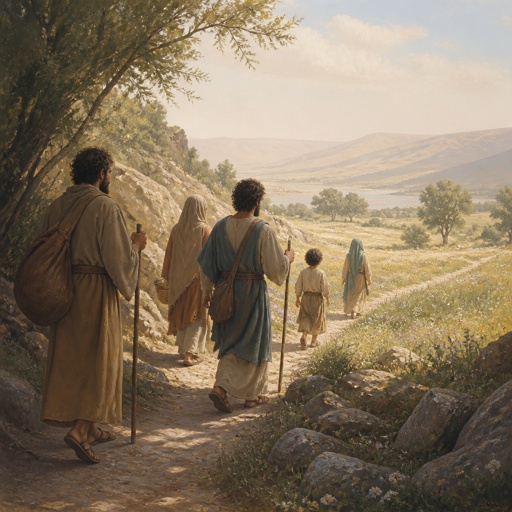
"There remaineth therefore a rest to the people of God." - Hebrews 4:9

Hebrews 6:9 - "But, beloved, we are persuaded better things of you, and things that accompany salvation, though we thus speak."

Hebrews 6:1

Hebrews 7:9 - "And as I may so say, Levi also, who receiveth tithes, payed tithes in Abraham."

Hebrews 9:8 - "The Holy Ghost this signifying, that the way into the holiest of all was not yet made manifest, while as the first tabernacle was yet standing:"

Hebrews 9:6 - "Now when these things were thus ordained, the priests went always into the first tabernacle, accomplishing the service of God."

Hebrews 9:10 - "Which stood only in meats and drinks, and divers washings, and carnal ordinances, imposed on them until the time of reformation."