Divine Sovereignty and Human Rebellion
“I gave thee a king in mine anger, and took him away in my wrath.” — Hosea 13:11
The poignant words found in Hosea 13:11—"I gave thee a king in mine anger, and took him away in my wrath"—serve not only as a reflection of the historical context of Israel's tumultuous relationship with leadership, but also as a profound reminder of God's sovereign authority and the consequences of human disobedience. This verse encapsulates the complex interplay between divine providence and human agency, a theme that resonates through the scriptures and invites us to delve deeper into our understanding of God's dealings with humanity.
To understand the weight of this verse, we must first consider its context. The prophet Hosea speaks during a time when the northern kingdom of Israel was experiencing moral and spiritual decline. The Israelites had sought kings who would lead them not according to God's will, but rather to fulfill their desires and ambitions. Their pleas for a king, initiated during Samuel's judgeship, were a rejection of God's theocratic rule. In requesting a monarchy, they were stating that they preferred a human king over God as their ultimate ruler. This set a precedent—a dangerous one—where their desires would ultimately lead to their downfall.
When we hear the phrase, "I gave thee a king in mine anger," it reveals God's disposition towards Israel's choice. God, in His omniscience, allowed Israel to appoint kings, but this action came from a place of displeasure. God was not merely granting their request; He was allowing Israel to reap the consequences of their rebellion. This moment echoes a broader biblical theme where God permits humanity's choices as a means to reveal the heart's inclinations towards idolatry and sin.
Furthermore, the latter part of the verse—"and took him away in my wrath"—highlights the consequences of those choices. The kings whom God allowed to rule Israel suffered major failures; they often led the people away from God, causing ruin and destruction. Notably, God’s removal of those kings is not simply an act of punishment but a reflection of His divine justice. He intervened in the affairs of man, stripping away influential leaders who would not align themselves with His commands, illustrating a crucial point: God does not tolerate governance that leads His children astray.
How does this verse apply to our lives today? For believers, Hosea 13:11 serves as a cautionary tale about the leaders we choose to follow—whether they are in political, social, or spiritual spheres. We must be vigilant in discerning who speaks into our lives and leads us. Are they guiding us according to God's word, or are they promoting ideals that oppose His truth? This requires us to actively engage with the Lord through prayer and scripture, seeking wisdom to make choices that please Him.
Moreover, just as Israel faced the consequences for their choices, so too do we when we choose paths outside of God's will. The allure of earthly kings—representing worldly wisdom, success, or popularity—can lead us away from a relationship with our true King, Jesus Christ. The temptations are manifold, from societal pressures to personal desires. In moments of disobedience, we, too, risk experiencing God's corrective hand that is intended not to harm us but to steer us back to His righteous path.
Finally, this verse invites us to reflect on the grace that exists even amid correction. God’s intention is not merely punitive; instead, He aims to restore His people to a place of covenant faithfulness. Throughout Israel’s history, there remained a promise of restoration—a promise fulfilled in Christ, who reigns as the ultimate King. Therefore, in our modern lives, we should not only seek to avoid rebellion but also explore avenues for restoration and reconciliation with our Creator.
In conclusion, Hosea 13:11 is a stark reminder of the gravity of our choices—both in leadership and in our personal lives. It beckons us to examine our hearts and our commitments, directing us ultimately toward a humble return to the King of Kings, assuring us that in Him, we find true authority, direction, and unending grace.
Get our apps


Artwork for Hosea 13:11

Hosea 13:11 - "I gave thee a king in mine anger, and took him away in my wrath."

"I gave thee a king in mine anger, and took him away in my wrath." - Hosea 13:11

Hosea 13:12 - "The iniquity of Ephraim is bound up; his sin is hid."

Hosea 13:5 - "¶ I did know thee in the wilderness, in the land of great drought."

Hosea 12:13 - "And by a prophet the LORD brought Israel out of Egypt, and by a prophet was he preserved."

Hosea 13:9 - "¶ O Israel, thou hast destroyed thyself; but in me is thine help."

Hosea 11:11 - "They shall tremble as a bird out of Egypt, and as a dove out of the land of Assyria: and I will place them in their houses, saith the LORD."

Hosea 13:7 - "Therefore I will be unto them as a lion: as a leopard by the way will I observe them:"

Hosea 13:13 - "The sorrows of a travailing woman shall come upon him: he is an unwise son; for he should not stay long in the place of the breaking forth of children."

Hosea 7:11 - "¶ Ephraim also is like a silly dove without heart: they call to Egypt, they go to Assyria."

Hosea 5:11 - "Ephraim is oppressed and broken in judgment, because he willingly walked after the commandment."

Hosea 8:11 - "Because Ephraim hath made many altars to sin, altars shall be unto him to sin."

Hosea 11:3 - "I taught Ephraim also to go, taking them by their arms; but they knew not that I healed them."

Hosea 11:1 - "When Israel was a child, then I loved him, and called my son out of Egypt."

Hosea 13:6 - "According to their pasture, so were they filled; they were filled, and their heart was exalted; therefore have they forgotten me."

Hosea 9:11 - "As for Ephraim, their glory shall fly away like a bird, from the birth, and from the womb, and from the conception."

Hosea 11:5 - "¶ He shall not return into the land of Egypt, but the Assyrian shall be his king, because they refused to return."

Hosea 12:11 - "Is there iniquity in Gilead? surely they are vanity: they sacrifice bullocks in Gilgal; yea, their altars are as heaps in the furrows of the fields."

Hosea 9:13 - "Ephraim, as I saw Tyrus, is planted in a pleasant place: but Ephraim shall bring forth his children to the murderer."

Hosea 13:1 - "When Ephraim spake trembling, he exalted himself in Israel; but when he offended in Baal, he died."

Hosea 11:2 - "As they called them, so they went from them: they sacrificed unto Baalim, and burned incense to graven images."

Hosea 11:6 - "And the sword shall abide on his cities, and shall consume his branches, and devour them, because of their own counsels."

Hosea 6:11 - "Also, O Judah, he hath set an harvest for thee, when I returned the captivity of my people."

Hosea 11:12 - "Ephraim compasseth me about with lies, and the house of Israel with deceit: but Judah yet ruleth with God, and is faithful with the saints."
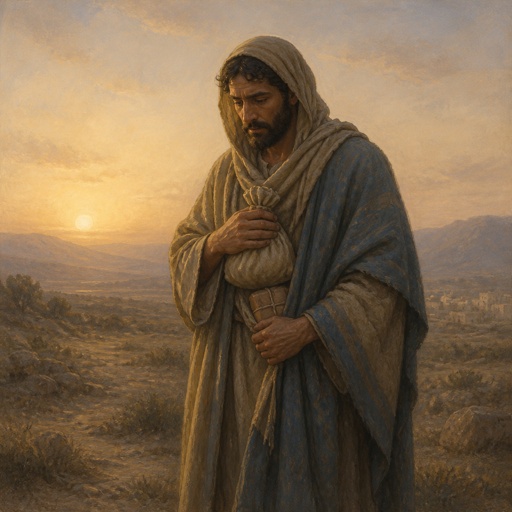
"The iniquity of Ephraim is bound up; his sin is hid." - Hosea 13:12

Hosea 13:3 - "Therefore they shall be as the morning cloud, and as the early dew that passeth away, as the chaff that is driven with the whirlwind out of the floor, and as the smoke out of the chimney."

Hosea 13:4 - "Yet I am the LORD thy God from the land of Egypt, and thou shalt know no god but me: for there is no saviour beside me."
Psalm 1:1-3
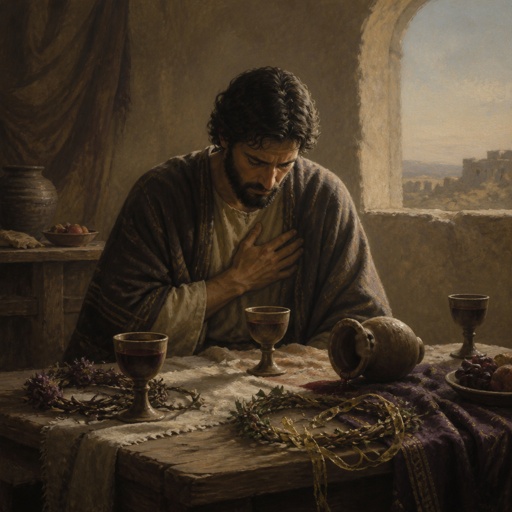
"Whoredom and wine and new wine take away the heart." - Hosea 4:11
Pain 1:1-3