The Cost of Redemption: A Study on Hosea 3:2
“So I bought her to me for fifteen pieces of silver, and for an homer of barley, and an half homer of barley:” — Hosea 3:2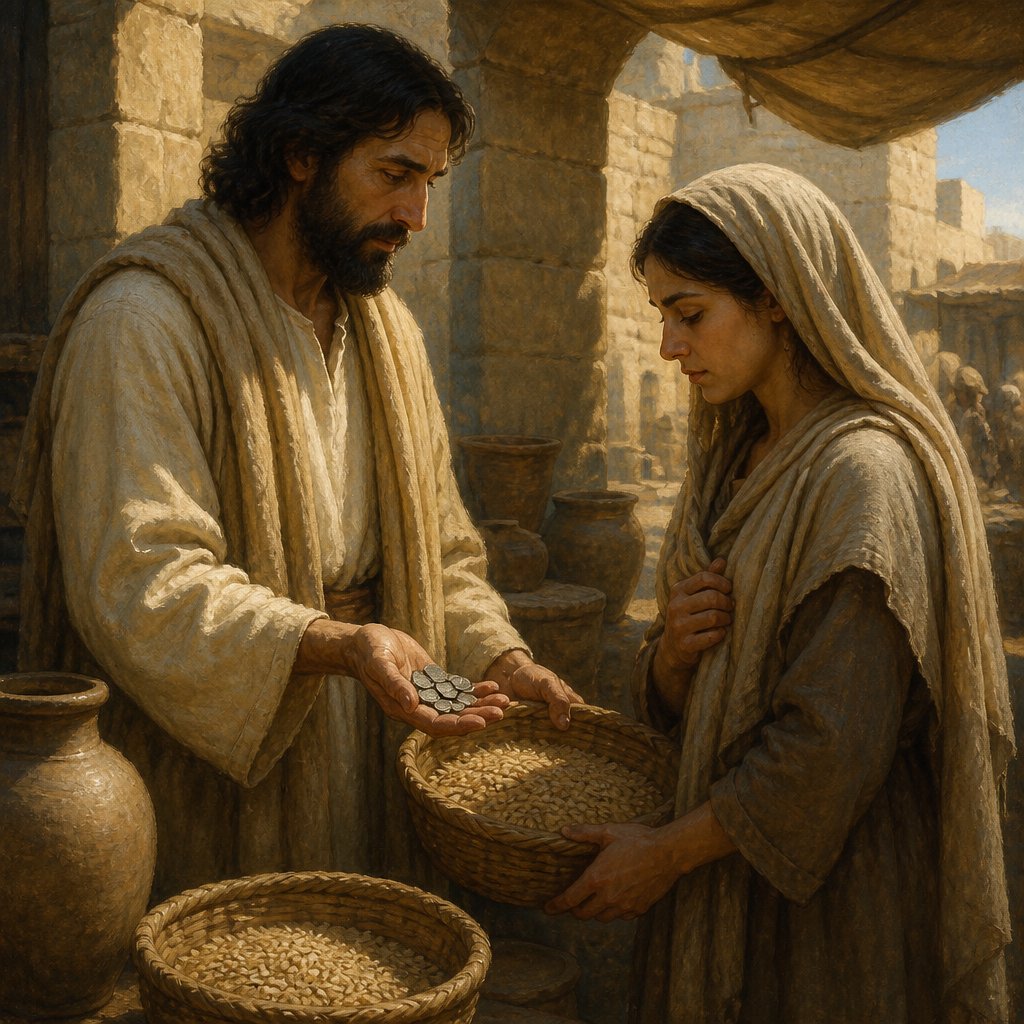
In the tapestry of Scripture, few books convey the depths of God’s love and the frailty of human faithfulness as profoundly as the book of Hosea. Specifically, Hosea 3:2 captures a poignant moment of redemption that reflects the heart of God towards us. The verse states, “So I bought her to me for fifteen pieces of silver, and for an homer of barley, and an half homer of barley.” In this short sentence, we find a wealth of insight into God’s relentless pursuit of His people, the cost of restoration, and the transformative power of love.
To fully appreciate the depth of this verse, we must first contextualize Hosea’s life and his marriage to Gomer, a woman known for her unfaithfulness. Hosea’s experience is not merely a narrative; it is a dramatic portrayal of Israel’s relationship with God. God commanded Hosea to take Gomer as his wife, knowing her propensity to stray. This painful parallel between Hosea and Gomer illustrates the profound truth that God loves us despite our failures and infidelities.
When we read, “So I bought her to me,” it is essential to note that this transaction goes beyond a mere purchase; it signifies a profound reclaiming, as Hosea makes an intentional choice to redeem Gomer. God is not merely indifferent to our transgressions; rather, He actively seeks us out, even when we have turned our backs on Him. The “fifteen pieces of silver” mentioned in the verse reflects the transactional nature of the culture in which they lived. Silver was a medium of exchange, and in paying this price, Hosea assumes both the cost of Gomer’s past and the commitment to her future.
Additionally, the inclusion of barley—a staple food in ancient Israel—further underscores the magnitude of this act. Barley could be seen as a symbol of provision and sustenance, indicating that Hosea is not only purchasing her freedom but also promising her a place at the table. In the Jewish culture, meals shared among family symbolize unity and restoration, demonstrating that this act of redemption was not just about possession but about invitation and acceptance back into a loving relationship.
Moreover, we are reminded that true redemption often comes at a cost. In our own lives, we might find ourselves yearning for freedom from sin, guilt, and shame—conditions that hold us captive. The price of our redemption was paid by Christ on the cross, where He bore the weight of sin that rightfully belonged to us. Just as Hosea was willing to purchase Gomer’s freedom, Christ willingly surrendered Himself for our salvation, emphasizing the deep love of our Savior.
As we reflect on this verse, let us consider the deeper implications of what it means to be bought with a price. It calls us to live in a manner that reflects gratitude for the grace we have received. Our lives, after knowing such love and sacrifice, should echo His generosity towards us. This transformation requires us to forgive others, extend grace, and love unconditionally, just as God has loved us.
In practical terms, Hosea's action invites us to evaluate our relationships. Are we willing to love others despite their shortcomings, as God loves us? Are we prepared to bear the cost of forgiveness and restoration in our lives? Hosea’s redemptive act teaches us the beauty inherent in restoration, encouraging us that no one is beyond God's reach or the transformative nature of love.
In conclusion, Hosea 3:2 serves as a reminder of God's immeasurable love and the lengths to which He will go to redeem us. It invites us to embrace our identity as beloved children who have been bought at a price. Let us then walk in that freedom, living lives that reflect the grace and love we have received.
Get our apps


Artwork for Hosea 3:2

Hosea 3:2 - "So I bought her to me for fifteen pieces of silver, and for an homer of barley, and an half homer of barley:"
"So I bought her to me for fifteen pieces of silver, and for an homer of barley, and an half homer of barley:" - Hosea 3:2

Hosea 3:1

Hosea 1:2-11;2:14;3:5

Hosea 3:1-5

Hosea 7:3 - "They make the king glad with their wickedness, and the princes with their lies."

Hosea 1:2 - "The beginning of the word of the LORD by Hosea. And the LORD said to Hosea, Go, take unto thee a wife of whoredoms and children of whoredoms: for the land hath committed great whoredom, departing from the LORD."

Hosea 1:2

Hosea 1:2

Hosea 2:3 - "Lest I strip her naked, and set her as in the day that she was born, and make her as a wilderness, and set her like a dry land, and slay her with thirst." respectful, symbolic bible verse art

Hosea 8:3 - "Israel hath cast off the thing that is good: the enemy shall pursue him."

Hosea 11:3 - "I taught Ephraim also to go, taking them by their arms; but they knew not that I healed them."

Hosea 12:3 - "¶ He took his brother by the heel in the womb, and by his strength he had power with God:"

Hosea 9:3 - "They shall not dwell in the LORD'S land; but Ephraim shall return to Egypt, and they shall eat unclean things in Assyria."
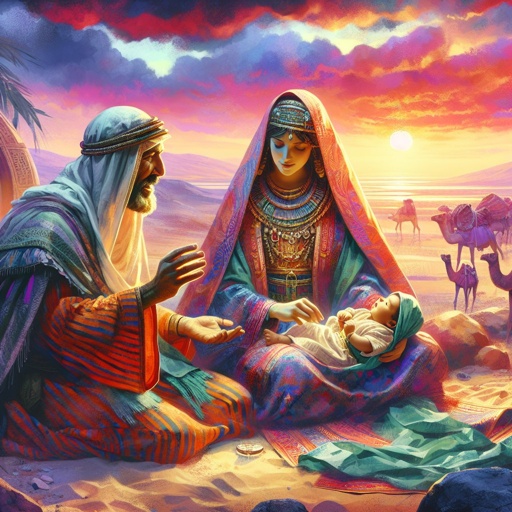
Hosea 1:3 - "So he went and took Gomer the daughter of Diblaim; which conceived, and bare him a son."

Hosea 2:4 - "And I will not have mercy upon her children; for they be the children of whoredoms."
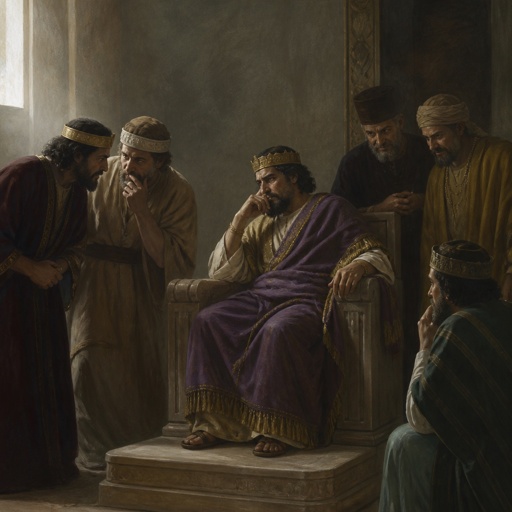
"They make the king glad with their wickedness, and the princes with their lies." - Hosea 7:3

Hosea 3:3 - "And I said unto her, Thou shalt abide for me many days; thou shalt not play the harlot, and thou shalt not be for another man: so will I also be for thee."

Hosea 5:3 - "I know Ephraim, and Israel is not hid from me: for now, O Ephraim, thou committest whoredom, and Israel is defiled."

Hosea 2:22 - "And the earth shall hear the corn, and the wine, and the oil; and they shall hear Jezreel."

Hosea 2:1 - "Say ye unto your brethren, Ammi; and to your sisters, Ruhamah."

Hosea 10:3 - "For now they shall say, We have no king, because we feared not the LORD; what then should a king do to us?"

Hosea 13:3 - "Therefore they shall be as the morning cloud, and as the early dew that passeth away, as the chaff that is driven with the whirlwind out of the floor, and as the smoke out of the chimney."

Hosea 5:2 - "And the revolters are profound to make slaughter, though I have been a rebuker of them all."

Hosea 4:2 - "By swearing, and lying, and killing, and stealing, and committing adultery, they break out, and blood toucheth blood."

Hosea 9:2 - "The floor and the winepress shall not feed them, and the new wine shall fail in her."

Hosea 8:2 - "Israel shall cry unto me, My God, we know thee."

Hosea 3:5 - "Afterward shall the children of Israel return, and seek the LORD their God, and David their king; and shall fear the LORD and his goodness in the latter days."

Hosea 2:14 - "¶ Therefore, behold, I will allure her, and bring her into the wilderness, and speak comfortably unto her."

Hosea 2:17 - "For I will take away the names of Baalim out of her mouth, and they shall no more be remembered by their name."