The Pursuit of Healing: Lessons from Hosea 5:13
“When Ephraim saw his sickness, and Judah saw his wound, then went Ephraim to the Assyrian, and sent to king Jareb: yet could he not heal you, nor cure you of your wound.” — Hosea 5:13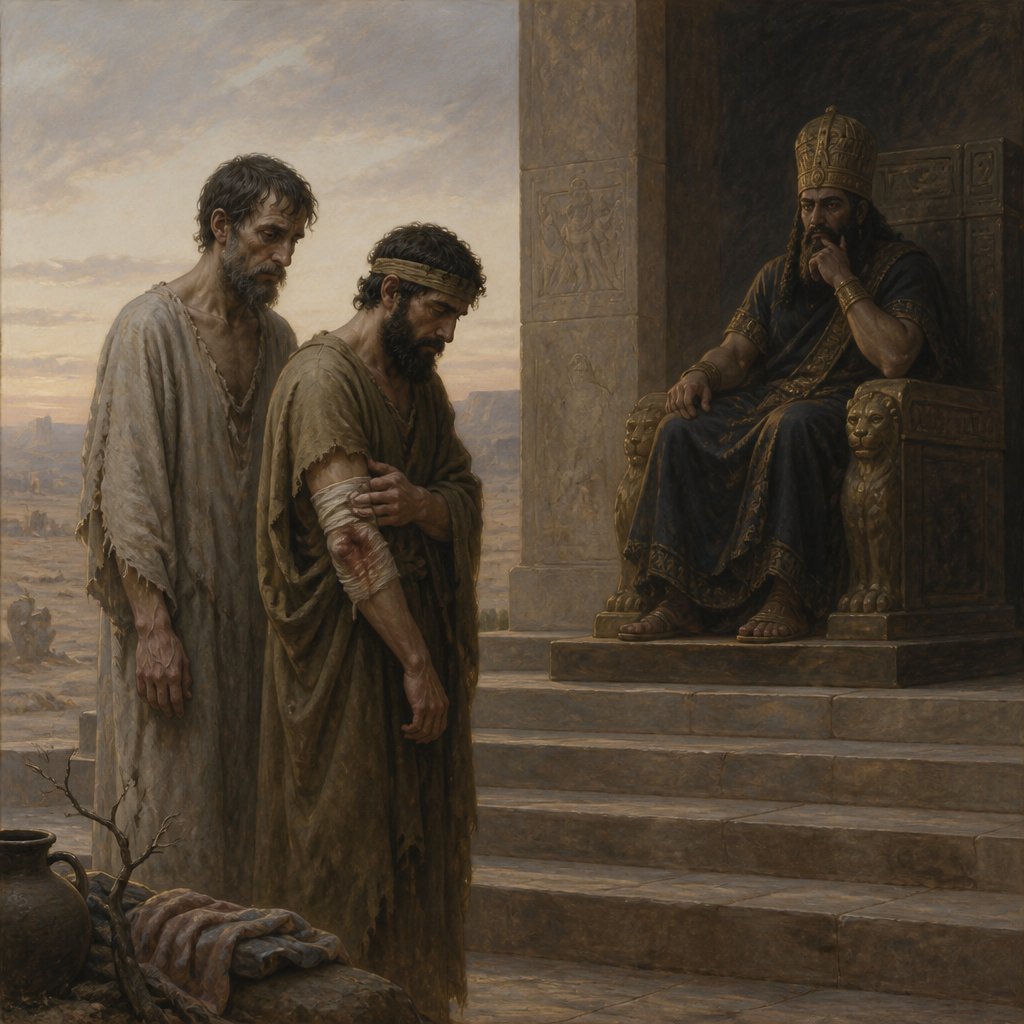
In the book of Hosea, we witness the profound and poignant imagery of a people in turmoil. Hosea 5:13 says, "When Ephraim saw his sickness, and Judah saw his wound, then went Ephraim to the Assyrian, and sent to king Jareb: yet could he not heal you, nor cure you of your wound." This verse encapsulates the desperate search for healing and the misplaced trust that often leads us away from true restoration.
At first glance, Ephraim, representing the Northern Kingdom of Israel, and Judah, representing the Southern Kingdom, seem to be aware of their dire circumstances. They recognize their sickness and wounds. This acknowledgment of their plight is vital, as it reflects the first step towards redemption and healing. However, the deeper issue lies in their response: instead of turning to God, they seek the help of foreign powers, specifically the Assyrians and their king, Jareb.
Ephraim's fatal flaw was not merely in recognizing his sickness; it was in his decision to rely on alliances and human strength for healing. This tendency is a mirror reflecting our human condition, echoing a common theme throughout scripture — the struggle between faith in God and reliance on worldly methods. Throughout history, time and again, we are reminded that worldly solutions often result in disillusionment, as ultimately, they cannot provide the healing we seek.
It’s crucial to delve into what the 'sickness' and 'wound' symbolize. In the context of Israel, their spiritual and moral decay led to a multitude of weaknesses: social injustice, idolatry, and disobedience to God's commands. Similarly, our own lives may harbor sickness of the soul manifested in fears, addictions, or broken relationships that lead us away from God’s will. Recognizing these wounds is essential, yet how we choose to seek healing reveals our faith and priorities.
The Assyrian empire was renowned for its power, but it was also known for its brutality and idolatry. By turning to a king who offered no genuine hope of healing, Ephraim illustrates a tragic irony — in seeking human help, they allowed themselves to be further bound by sin and distance from God. Just as Ephraim sought aid from Jareb, how often do we seek solace in the comforts of society — whether through social media, unhealthy relationships, or material possessions — instead of turning to the ultimate healer, God Himself?
The second part of the verse is even more striking, as it serves as a sober warning: "yet could he not heal you, nor cure you of your wound.” This left us with the sobering reality that no matter how powerful or influential the sources we turn to may be, they cannot cure the fundamental spiritual sickness of the heart. Only God has the power to truly heal us.
The consequences of Ephraim and Judah’s choices would resonate deeply, fueling cycles of oppression and leading to eventual exile. This can serve as a powerful reminder to us that our choices carry weight; when we fail to turn to God for healing, we walk down roads that lead to despair.
In our own lives, we can choose to recognize our wounds and go to the Healer. Matthew 11:28 reminds us, "Come unto me, all ye that labour and are heavy laden, and I will give you rest." God invites us to bring our burdens to Him, to seek His comfort and restoration. Instead of looking to the world's sources for healing, let us place our faith in the Great Physician, who brings not only wholeness to our existence but also restores our relationship with God.
As we reflect on Hosea 5:13, let it stir within us a deep longing to seek God above all else. Let the rumblings of our hearts turn away from deception and distraction toward the One who knows us intimately and possesses the power to heal every wound. In His presence, we find true rest and renewal.
Get our apps


Artwork for Hosea 5:13

Hosea 5:13 - "When Ephraim saw his sickness, and Judah saw his wound, then went Ephraim to the Assyrian, and sent to king Jareb: yet could he not heal you, nor cure you of your wound."
"When Ephraim saw his sickness, and Judah saw his wound, then went Ephraim to the Assyrian, and sent to king Jareb: yet could he not heal you, nor cure you of your wound." - Hosea 5:13

Hosea 13:5 - "¶ I did know thee in the wilderness, in the land of great drought."

"¶ I did know thee in the wilderness, in the land of great drought." - Hosea 13:5

Hosea 3:1-5

Hosea 13:12 - "The iniquity of Ephraim is bound up; his sin is hid."

Hosea 12:5 - "Even the LORD God of hosts; the LORD is his memorial."

Hosea 12:13 - "And by a prophet the LORD brought Israel out of Egypt, and by a prophet was he preserved."

Hosea 13:9 - "¶ O Israel, thou hast destroyed thyself; but in me is thine help."

Hosea 1:2-11;2:14;3:5

Hosea 5:12 - "Therefore will I be unto Ephraim as a moth, and to the house of Judah as rottenness."

Hosea 14:5-6 – "I will be like the dew to Israel; he will blossom like a lily."

Hosea 13:7 - "Therefore I will be unto them as a lion: as a leopard by the way will I observe them:"

Hosea 9:5 - "What will ye do in the solemn day, and in the day of the feast of the LORD?"

Hosea 13:13 - "The sorrows of a travailing woman shall come upon him: he is an unwise son; for he should not stay long in the place of the breaking forth of children."
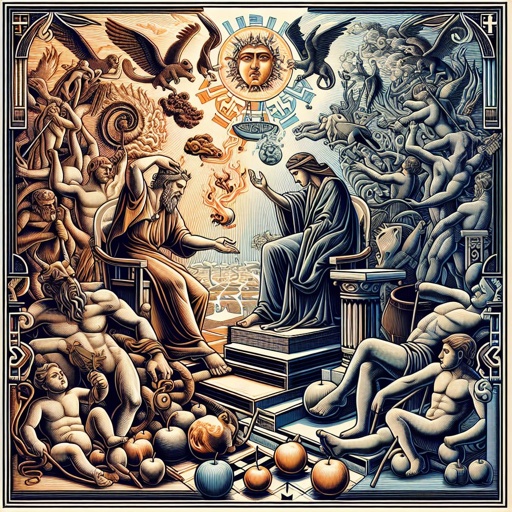
Hosea 5:5 - "And the pride of Israel doth testify to his face: therefore shall Israel and Ephraim fall in their iniquity; Judah also shall fall with them."

Hosea 1:5 - "And it shall come to pass at that day, that I will break the bow of Israel in the valley of Jezreel."

Hosea 13:11 - "I gave thee a king in mine anger, and took him away in my wrath."

Hosea 5:11 - "Ephraim is oppressed and broken in judgment, because he willingly walked after the commandment."

Hosea 5:2 - "And the revolters are profound to make slaughter, though I have been a rebuker of them all."

Hosea 13:6 - "According to their pasture, so were they filled; they were filled, and their heart was exalted; therefore have they forgotten me."

Hosea 9:13 - "Ephraim, as I saw Tyrus, is planted in a pleasant place: but Ephraim shall bring forth his children to the murderer."

Hosea 13:1 - "When Ephraim spake trembling, he exalted himself in Israel; but when he offended in Baal, he died."

Hosea 11:5 - "¶ He shall not return into the land of Egypt, but the Assyrian shall be his king, because they refused to return."

Hosea 14:5 - "I will be as the dew unto Israel: he shall grow as the lily, and cast forth his roots as Lebanon."
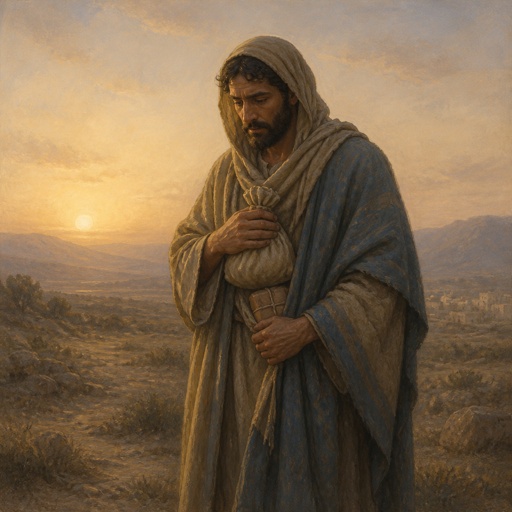
"The iniquity of Ephraim is bound up; his sin is hid." - Hosea 13:12

Hosea 5:8 - "Blow ye the cornet in Gibeah, and the trumpet in Ramah: cry aloud at Beth-aven, after thee, O Benjamin."

Hosea 5:6 - "They shall go with their flocks and with their herds to seek the LORD; but they shall not find him; he hath withdrawn himself from them."

Hosea 5:15 - "¶ I will go and return to my place, till they acknowledge their offence, and seek my face: in their affliction they will seek me early."

Hosea 5:7 - "They have dealt treacherously against the LORD: for they have begotten strange children: now shall a month devour them with their portions."