The Lamb for the Ruler: A Call to Humble Service
“Send ye the lamb to the ruler of the land from Sela to the wilderness, unto the mount of the daughter of Zion.” — Isaiah 16:1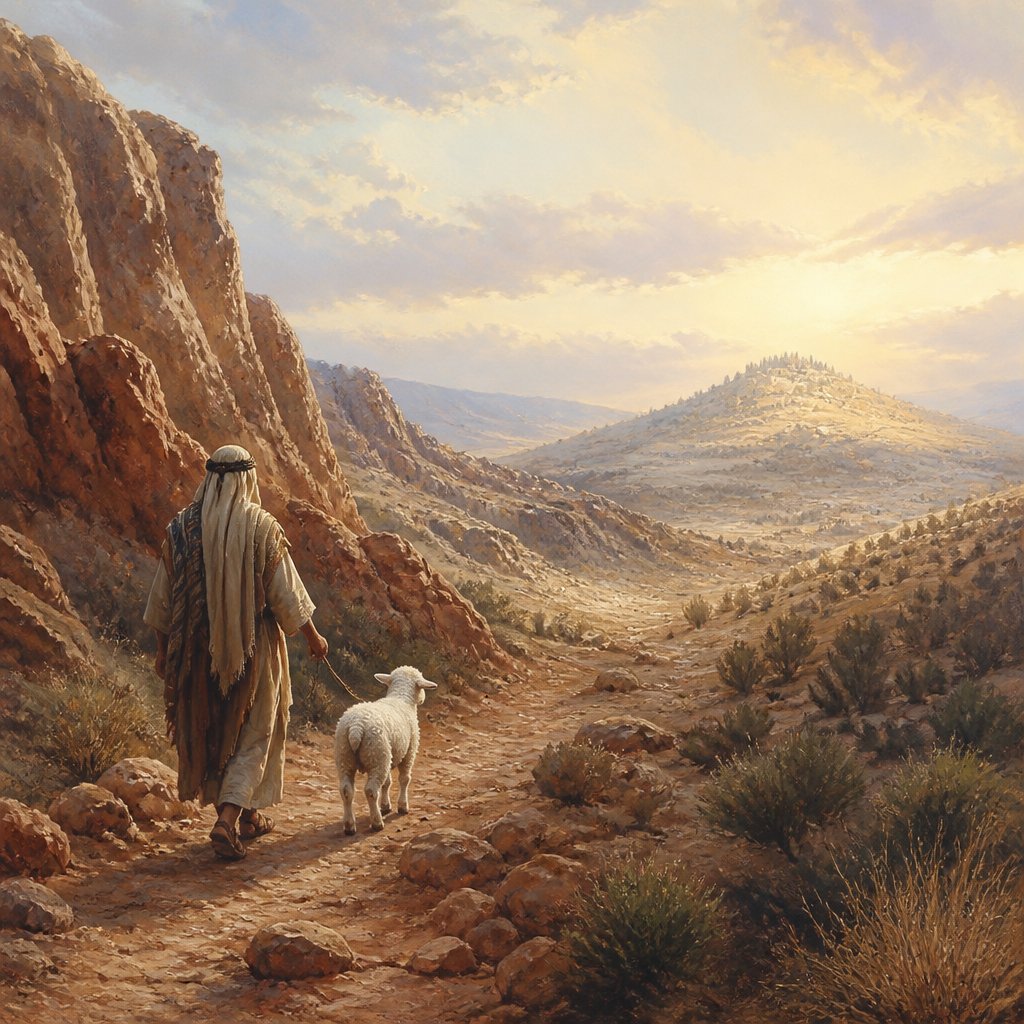
Isaiah 16:1 in the King James Version proclaims, "Send ye the lamb to the ruler of the land from Sela to the wilderness, unto the mount of the daughter of Zion." This passage invites us to ponder the significance of sending the lamb — a powerful and multilayered symbol in the Biblical narrative — to a ruler. It beckons us to reflect on themes of sacrifice, humility, and divine appointment.
In the context of Isaiah, the backdrop of this verse is one of turmoil and the desire for peace in a time of upheaval. Moab, a nation in distress, is facing impending exile and desolation. The suggestion to send a lamb to the ruler indicates a form of tribute but can also hint at an act of submission and acknowledgment of authority. In ancient cultures, sending gifts, especially of significance, was a way to appease rulers and seek favor during times of oppression.
The lamb, often viewed as a representation of innocence and purity, resonates deeply throughout Scripture. It recalls the Passover lamb, whose blood protected the Israelites during their exodus from Egypt (Exodus 12). Even more compelling is the reference to Christ, the Lamb of God, whose sacrifice on the cross fulfilled the ultimate atonement for mankind’s sins. John 1:29 echoes this connection: "Behold the Lamb of God, which taketh away the sin of the world." This duality within the symbolism of the lamb from Isaiah highlights the import of acknowledging the divinely appointed ruler — a foreshadowing of how God’s sovereignty orchestrates salvation through humility and sacrifice.
Furthermore, the direction of sending the lamb — from Sela to the wilderness — signifies a journey of faith. Sela, meaning "rock," hints at a place of refuge or stronghold, while the wilderness represents a desolate and challenging terrain often associated with trials and testing. The journey to the mount of the daughter of Zion, the city of God where His presence dwells, embodies a movement from a rocky firmament of human strength into reliance on divine grace. This journey signifies our faith walk in a world fraught with obstacles, where we must continually present ourselves — our heart offerings represented through the lamb — before God’s throne of grace.
As Christians, we are called to acknowledge Christ as the ultimate Ruler of our lives. Moreover, what does it mean for us to send a lamb to the Ruler today? It invites us not only to offer our worship and praise but also our very lives. Romans 12:1 urges us, "I beseech you therefore, brethren, by the mercies of God, that ye present your bodies a living sacrifice, holy, acceptable unto God, which is your reasonable service." In this contemporary relevance, our lamb is our commitment to live according to God’s will, responding to His divine call with humility, obedience, and trust.
The act of sending the lamb also reflects servanthood and intercession. Just as the people of Moab sought to send a gift to their ruler, we are urged to intercede on behalf of our communities and leaders, praying for their guidance, wisdom, and decision-making. This is a reminder that our posture as believers should be one of servitude — not through demands or self-serving proclamations, but through acts of kindness, compassion, and grace.
In our lives today, embrace the task of carrying your lamb to the wilderness, allowing it to lead you to the mount of the daughter of Zion. Whether it be in worship, in service, or in prayer, let that lamb be a reflection of your devotion to the Ruler of Heaven and Earth. Remember that the essence of this journey is not merely about the destination but the transformative power of the Lamb guiding our every step.
In closing, as you meditate upon Isaiah 16:1, consider how you might present your life as a living tribute to the Lord. May your hearts be softened towards His will, may you embrace the identity of the lamb in humility, and may you journey faithfully towards His eternal presence.
Get our apps


Artwork for Isaiah 16:1

Isaiah 16:1 - "Send ye the lamb to the ruler of the land from Sela to the wilderness, unto the mount of the daughter of Zion."
"Send ye the lamb to the ruler of the land from Sela to the wilderness, unto the mount of the daughter of Zion." - Isaiah 16:1

Isaiah 1:16 - "Wash you, make you clean; put away the evil of your doings from before mine eyes; cease to do evil;"
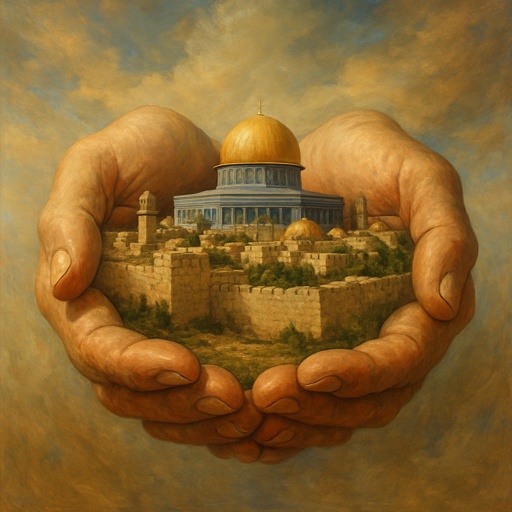
Isaiah 49:16 Behold, I have inscribed you Jerusalem on the palms of My hands; your walls are ever before Me

Isaiah 8:16 - "Bind up the testimony, seal the law among my disciples."

Isaiah 32:16 - "Then judgment shall dwell in the wilderness, and righteousness remain in the fruitful field."

Isaiah 40:16 - "And Lebanon is not sufficient to burn, nor the beasts thereof sufficient for a burnt offering."

Isaiah 9:16 - "For the leaders of this people cause them to err; and they that are led of them are destroyed."

2 Kings 20:16 - "And Isaiah said unto Hezekiah, Hear the word of the LORD."

Isaiah 16:13 - "This is the word that the LORD hath spoken concerning Moab since that time."

Isaiah 2:16 - "And upon all the ships of Tarshish, and upon all pleasant pictures."

Isaiah 5:16 - "But the LORD of hosts shall be exalted in judgment, and God that is holy shall be sanctified in righteousness."

Isaiah 43:16 - "Thus saith the LORD, which maketh a way in the sea, and a path in the mighty waters;"

Isaiah 66:16 - "For by fire and by his sword will the LORD plead with all flesh: and the slain of the LORD shall be many."

Isaiah 16:11 - "Wherefore my bowels shall sound like an harp for Moab, and mine inward parts for Kir-haresh."

Isaiah 16:2 - "For it shall be, that, as a wandering bird cast out of the nest, so the daughters of Moab shall be at the fords of Arnon."

Isaiah 45:16 - "They shall be ashamed, and also confounded, all of them: they shall go to confusion together that are makers of idols."

Isaiah 26:16 - "LORD, in trouble have they visited thee, they poured out a prayer when thy chastening was upon them."

Isaiah 2:1 - "The word that Isaiah the son of Amoz saw concerning Judah and Jerusalem."

Isaiah 1:1 - "The vision of Isaiah the son of Amoz, which he saw concerning Judah and Jerusalem in the days of Uzziah, Jotham, Ahaz, and Hezekiah, kings of Judah."

Isaiah 49:16 - "Behold, I have graven thee upon the palms of my hands; thy walls are continually before me."

Isaiah 13:1 - "The burden of Babylon, which Isaiah the son of Amoz did see."

Isaiah 60:1

Isaiah 21:16 - "For thus hath the Lord said unto me, Within a year, according to the years of an hireling, and all the glory of Kedar shall fail:"

Isaiah 16:5 - "And in mercy shall the throne be established: and he shall sit upon it in truth in the tabernacle of David, judging, and seeking judgment, and hasting righteousness."

Isaiah 7:16 - "For before the child shall know to refuse the evil, and choose the good, the land that thou abhorrest shall be forsaken of both her kings."
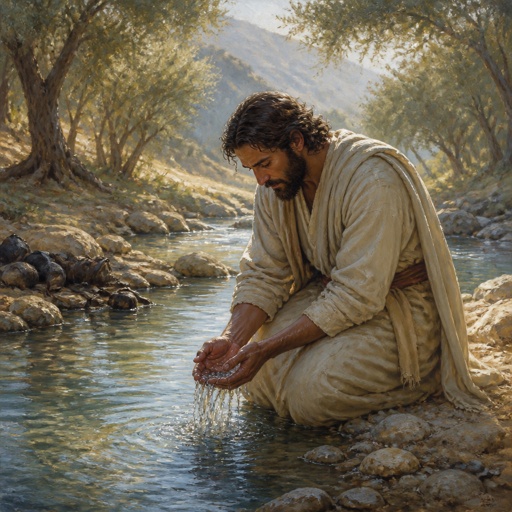
"Wash you, make you clean; put away the evil of your doings from before mine eyes; cease to do evil;" - Isaiah 1:16

Isaiah 16:3 - "Take counsel, execute judgment; make thy shadow as the night in the midst of the noonday; hide the outcasts; bewray not him that wandereth."

Isaiah 11:1

Isaiah 66:1-2