Replenished from the East: The Cost of Compromise
"Therefore thou hast forsaken thy people the house of Jacob, because they be replenished from the east, and are soothsayers like the Philistines, and they please themselves in the children of strangers." - Isaiah 2:6
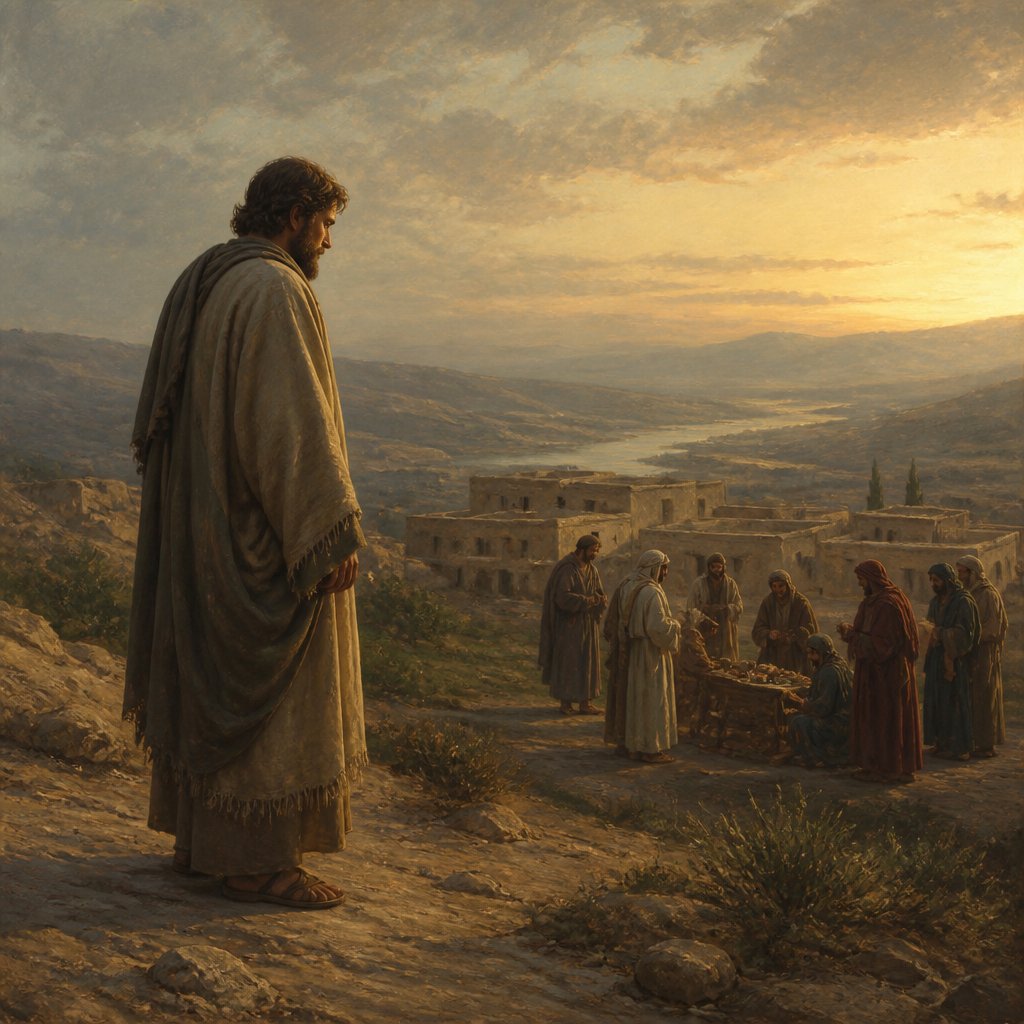
Isaiah 2:6 (KJV) reads, "Therefore thou hast forsaken thy people the house of Jacob, because they be replenished from the east, and are soothsayers like the Philistines, and they please themselves in the children of strangers." In this verse, the prophet Isaiah delivers a heart-wrenching message concerning the spiritual state of Israel. It presents a profound call to self-examination, not only for the ancient house of Jacob but for us today.
The context surrounding Isaiah’s words is critical. The nation was flourishing economically and politically, imitating the practices and values of surrounding nations rather than adhering to the unique calling and covenant of God. This was a time of burgeoning wealth and indulgence, yet the spiritual impoverishment was palpable. The term "forsaken" suggests a deep abandonment, indicating a severe breach in the relationship between God and His chosen people. They were not just neglecting their covenant obligations but actively engaging in practices that could not only lead them away from God but that also could invite His judgment.
The mention of being "replenished from the east" highlights a significant point of concern. Many historians and theologians reference the influence of eastward nations – particularly those immersing themselves in Babylonian and pagan customs. In doing so, Israel sought fulfillment and identity from foreign sources rather than from the Lord who had led them out of Egypt. This longing for external validation can resonate with our own lives. How often do we seek satisfaction or affirmation from the world? Whether it's in culture, relationships, or material possessions, we can easily fall into the trap of valuing what the world offers over the sacred truths of God's Word.
Moreover, Isaiah’s mention of soothsayers bears witness to practices that contradict the allegiance expected of God's people. Soothsaying implies a reliance on divination and occult practices instead of trust and obedience to God. This mirrors how we sometimes turn to fortune-telling techniques or worldly wisdom in times of uncertainty, choosing to seek guidance from culture rather than prayer, scripture, or wise counsel rooted in faith.
Then, Isaiah declares, "they please themselves in the children of strangers." This phrase captures the tragic irony of Israel's pursuit of external approval. The very children they engage with symbolize their bond with surrounding nations, resulting in a deviation from their divine identity. This illustrates how compromise can lead us away from our true calling. As believers, we are called to be distinct, set apart for the Lord's glory; yet, the lure of the world often makes us settle for less. In desiring commonality, we risk forgetting the essence of our identity in Christ, “the beloved,” “the called out ones.”
Yet, in the depths of Isaiah's stern message, there is an undercurrent of grace. God does not abandon His people. Instead, He speaks to them honestly because He loves them passionately. His desire is for them to return, to seek Him fervently, and to find their identity in their covenant relationship with Him. For us, too, there remains the opportunity for renewal and restoration, regardless of how far we’ve wandered or how deeply we’ve compromised. God consistently calls us back to alignment with His will.
As we reflect on Isaiah 2:6, let this verse invite us into a season of introspection. Are there areas in our lives where we have sought replenishment from the world instead of from the Lord? In what ways have we allowed ourselves to be influenced by the culture around us, to the detriment of our walk with Him? May we choose to return, as Eli (phthah) did, to the source of our strength and identity.
In a world overflowing with alternatives that seek to satisfy our cravings, let us strive to be steadfast, holding fast to the truth of who we are in Christ. Let us renounce the practices that keep us distant from Him and embrace the heart of God that desires an intimate relationship with each of us. The promise remains that when we seek Him earnestly, we will find Him, and in Him, we will truly be replenished.
Want to reflect more on Isaiah 2:6?
Continue your spiritual journey with Bible Chat — an AI-powered tool for exploring God's Word through conversation. Ask questions, discover connections, and deepen your understanding.
Get Our Apps


Isaiah 2:6 Artwork
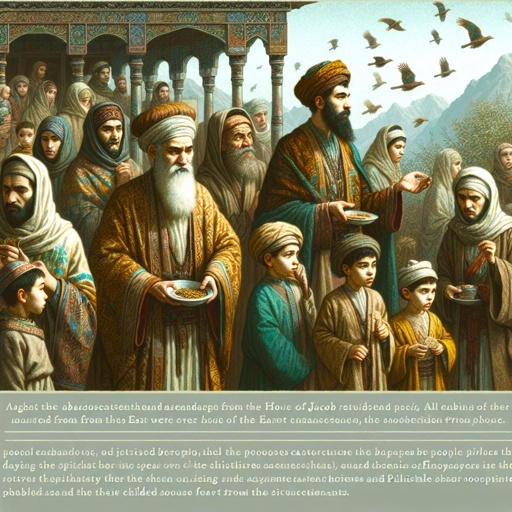
Isaiah 2:6 - "¶ Therefore thou hast forsaken thy people the house of Jacob, because they be replenished from the east, and are soothsayers like the Philistines, and they please themselves in the children of strangers."
"¶ Therefore thou hast forsaken thy people the house of Jacob, because they be replenished from the east, and are soothsayers like the Philistines, and they please themselves in the children of strangers." - Isaiah 2:6

Isaiah 12:2-6

Isaiah 12:2-6

Isaiah 12:2-6

Isaiah 12:2-6

Isaiah 12:2-6

Isaiah 12:2-6

isaiah 6:6

"Above it stood the seraphims: each one had six wings; with twain he covered his face, and with twain he covered his feet, and with twain he did fly." - Isaiah 6:2

Isaiah 6

Isaiah 6

Isaiah 6:1-5

Isaiah 6:1-5

isaiah 6:7

Isaiah 6:2 - "Above it stood the seraphims: each one had six wings; with twain he covered his face, and with twain he covered his feet, and with twain he did fly."

Isaiah 6:1-5

Isaiah 6:1-5

Isaiah 9:6

Isaiah 9:6

Isaiah 9:6

isaiah 6:7

Isaiah 29:6

Isaiah 33:6

Isaiah 6:8

Isaiah 12:6

Isaiah 12:6

isaiah 60:6

Isaiah 6:1

Isaiah 33:6