Righteousness That Bears Peace: Quietness and Assurance for Ever
“And the work of righteousness shall be peace; and the effect of righteousness quietness and assurance for ever.” — Isaiah 32:17
“And the work of righteousness shall be peace; and the effect of righteousness quietness and assurance for ever.” (Isaiah 32:17, KJV)
Isaiah’s words are both simple and searching: righteousness is not sterile, theoretical, or merely a label. It produces something. It works. It has an outcome. And the outcome God highlights is not first success, applause, or comfort, but “peace.” Then Isaiah presses further—this righteousness has an “effect,” and that effect is “quietness and assurance for ever.” In a world that constantly advertises anxiety as normal, God announces a different normal for His people: peace that is not manufactured, quietness that is not fragile, and assurance that does not expire.
Notice the progression in the verse: “the work” and “the effect.” The language implies fruit—visible, practical results. Righteousness is not merely the absence of wrongdoing; it is the presence of what is right before God. Wherever righteousness is at work, it does not leave the soul in turmoil. It moves life toward peace. Many pursue peace by rearranging circumstances: a better schedule, fewer conflicts, more money, improved health, a cleaner environment. Those things can be gifts, but they are not the foundation Isaiah points to. Isaiah ties peace to righteousness. When what is right in God’s eyes is embraced—when the heart turns toward God’s will—peace becomes a product of that alignment.
This is deeply convicting because it suggests that some of our unrest is not merely the result of hardship; it can also be the result of disorder within—when we resist God’s ways, excuse sin, or live divided. A conscience that is compromised rarely stays quiet. But when righteousness is pursued, the heart begins to settle. Peace is not always the removal of external storms; often it is the steadying of the inner life because it is anchored where it belongs.
Isaiah adds, “and the effect of righteousness quietness and assurance for ever.” Quietness is not passivity; it is calm strength. It is the soul no longer compelled by frantic striving, no longer mastered by the fear of what might happen next. It is the stillness that comes when you are not constantly defending yourself, proving yourself, or outrunning guilt. When righteousness is at work, it produces a life that is less noisy inside. The mind becomes less crowded with justifications and regrets. The heart becomes less reactive and more steady.
Then comes “assurance.” Assurance is more than optimism. It is a settled confidence, a firmness underfoot. It is the opposite of spiritual whiplash—one day confident, the next day collapsing into doubt. Isaiah links assurance to righteousness because righteousness brings us into agreement with God. When you are walking in the light, you are not constantly afraid of being exposed. When you are living honestly before God, you are not constantly dreading the consequences of hidden compromise. Righteousness clears the fog, strengthens the foundation, and produces a confidence that is not dependent on mood.
And this assurance is “for ever.” That phrase lifts the promise beyond temporary relief. The world can offer a distraction for a season; God offers a deep, enduring steadiness. The peace that righteousness produces is not a passing sensation; it is meant to be a lasting mark. This challenges the common assumption that peace must always be interrupted. Isaiah’s vision is that righteousness creates a life trajectory—one that increasingly bears the fruit of quietness and assurance, rooted in what God establishes rather than what circumstances threaten.
Practically, this verse invites personal reflection: Where am I looking for peace? Am I attempting to purchase it with control, approval, or avoidance? Or am I seeking the “work of righteousness”—choosing what is right, confessing what is wrong, and aligning my decisions with God’s truth? It also encourages perseverance. The verse speaks of “work,” and work is often gradual. Sometimes peace arrives as God untangles patterns over time. Quietness may grow as we repeatedly choose obedience when anxiety begs for shortcuts. Assurance may deepen as we learn, again and again, that God is faithful.
Today, let Isaiah 32:17 reshape your expectations. Peace is not only something to feel; it is something righteousness produces. Quietness is not merely a personality trait; it is an effect of living rightly before God. Assurance is not reserved for the fearless; it is the fruit of a life made steady through righteousness.
Prayer: Lord, make righteousness active in my heart and life. Where I have chased peace through control or compromise, turn me back to what is right in Thy sight. Let the work of righteousness bear peace in me, and let its effect be quietness and assurance for ever. Amen.
Get our apps


Artwork for Isaiah 32:17

Isaiah 32:17 - "And the work of righteousness shall be peace; and the effect of righteousness quietness and assurance for ever."

"And the work of righteousness shall be peace; and the effect of righteousness quietness and assurance for ever." - Isaiah 32:17
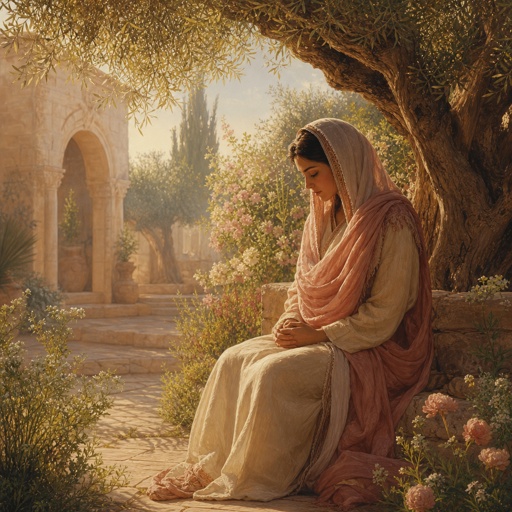
"And the work of righteousness shall be peace; and the effect of righteousness quietness and assurance for ever." - Isaiah 32:17

"And the work of righteousness shall be peace; and the effect of righteousness quietness and assurance for ever." - Isaiah 32:17

Luke 17:32-37

Luke 17:32 - "Remember Lot's wife."

2 Chronicles 32:32 - "Now the rest of the acts of Hezekiah, and his goodness, behold, they are written in the vision of Isaiah the prophet, the son of Amoz, and in the book of the kings of Judah and Israel."

Isaiah 32:12 - "They shall lament for the teats, for the pleasant fields, for the fruitful vine."

Isaiah 32:16 - "Then judgment shall dwell in the wilderness, and righteousness remain in the fruitful field."

Isaiah 32:1 - "Behold, a king shall reign in righteousness, and princes shall rule in judgment."

Isaiah 32:8 - "But the liberal deviseth liberal things; and by liberal things shall he stand."

"Remember Lot's wife." - Luke 17:32

Isaiah 32:3 - "And the eyes of them that see shall not be dim, and the ears of them that hear shall hearken."

Isaiah 32:5 - "The vile person shall be no more called liberal, nor the churl said to be bountiful."

Isaiah 32:19 - "When it shall hail, coming down on the forest; and the city shall be low in a low place."

Isaiah 54:17

Isaiah 54:17

Isaiah 38:17

Isaiah 32:18 - "And my people shall dwell in a peaceable habitation, and in sure dwellings, and in quiet resting places;"

2 Chronicles 32:20 - "And for this cause Hezekiah the king, and the prophet Isaiah the son of Amoz, prayed and cried to heaven."

Isaiah 32:20 - "Blessed are ye that sow beside all waters, that send forth thither the feet of the ox and the ass."

Isaiah 32:4 - "The heart also of the rash shall understand knowledge, and the tongue of the stammerers shall be ready to speak plainly."

Isaiah 32:15 - "Until the spirit be poured upon us from on high, and the wilderness be a fruitful field, and the fruitful field be counted for a forest."

Job 32:17 - "I said, I will answer also my part, I also will shew mine opinion."

isaiah 32:2-3 emphasis on Jesus Christ being unnatractive

Isaiah 14:32 - "What shall one then answer the messengers of the nation? That the LORD hath founded Zion, and the poor of his people shall trust in it."

Isaiah 32:10 - "Many days and years shall ye be troubled, ye careless women: for the vintage shall fail, the gathering shall not come."

Exodus 32:17 - "And when Joshua heard the noise of the people as they shouted, he said unto Moses, There is a noise of war in the camp."

Acts 17:32 - "¶ And when they heard of the resurrection of the dead, some mocked: and others said, We will hear thee again of this matter."

Isaiah 37:32 - "For out of Jerusalem shall go forth a remnant, and they that escape out of mount Zion: the zeal of the LORD of hosts shall do this."