Facing the Giants: A Lesson in Leadership and Trust
“Then came Eliakim, the son of Hilkiah, that was over the household, and Shebna the scribe, and Joah, the son of Asaph, the recorder, to Hezekiah with their clothes rent, and told him the words of Rabshakeh.” — Isaiah 36:22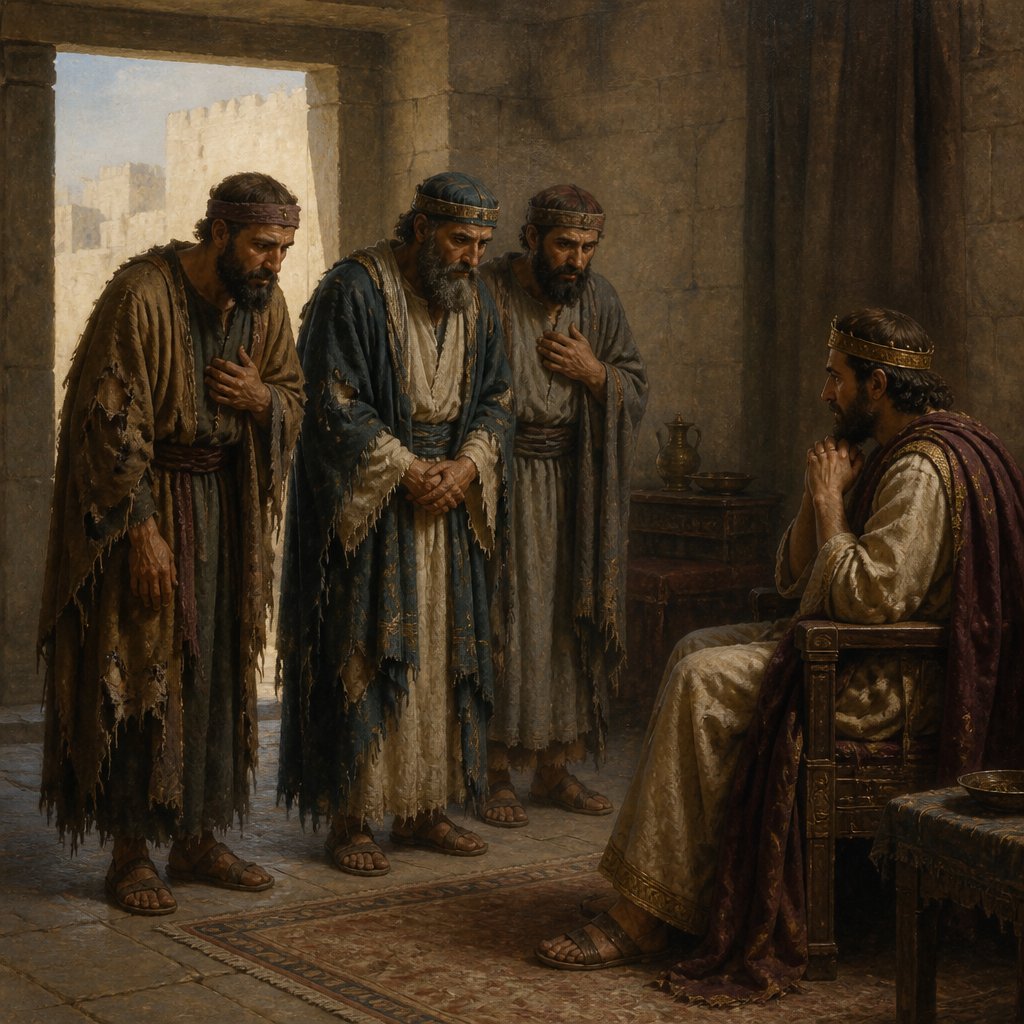
In Isaiah 36:22, we are introduced to a moment of intense crisis for King Hezekiah: "Then came Eliakim, the son of Hilkiah, that was over the household, and Shebna the scribe, and Joah, the son of Asaph, the recorder, to Hezekiah with their clothes rent, and told him the words of Rabshakeh." This verse encapsulates a scene filled with fear, despair, and the raw emotions of leaders confronting unimaginable threats.
In the preceding chapters, we find Judah under siege from the Assyrian king, whose emissary, Rabshakeh, delivered mocking taunts against the Israelites, challenging their faith and threatening their very existence. Eliakim, Shebna, and Joah returned to King Hezekiah with their garments torn—a symbolic display of grief and distress in biblical culture. This act of tearing their clothes was not merely an emotional reaction; it indicated the severity of the situation they faced.
As we peer into this moment, we glean vital lessons on leadership, communication, and faith in adversity. First, let’s reflect on the nature of leadership depicted here. Eliakim, Shebna, and Joah were not just bearers of bad news; they were leaders entrusted with the well-being of their people. They understood the gravity of the threat posed by Assyria. As leaders, they felt the weight of their responsibility acutely. Their torn garments are a powerful image of the burden they carried and their willingness to face the harsh reality they had to relay to Hezekiah.
In our lives, we may not face armies at our gates, but we encounter moments of leadership that can feel just as daunting. Whether it’s managing a crisis at work, dealing with family issues, or serving in a community role, the pressures can be immense. Like Eliakim, Shebna, and Joah, we too must approach our challenges with integrity and honesty, bearing the truths—even the painful ones—with grace and courage.
Next, we notice the importance of communication in their journey. They did not shy away from the truth; instead, they brought clear, unfiltered news to King Hezekiah. How often do we encounter delegations in our own lives that sugarcoat messages to shield us from reality? In contrast, these men exemplify a profound commitment to integrity, allowing transparency to guide their interactions. In our walks, we must strive to communicate effectively and openly, especially when it comes to sharing burdens or hard truths. In relationships, the power of honesty fosters trust and allows for collective problem-solving.
Lastly, the spiritual undertones of this passage beckon us to consider our dependence on God amid turmoil. The act of tearing their clothes can be seen as an outward sign of their inward desperation. It signifies not only despair but also their resolve to seek help from God. When faced with insurmountable odds, our first response can often be panic or fear. However, this moment in Scripture compels us to reevaluate where we place our hope. Do we turn to our resources, our connections, or do we first seek the counsel of the Almighty?
In moments of distress, we can learn from Hezekiah's eventual response—he turned to prayer and sought guidance from the prophet Isaiah. Our circumstances may loom large and disorienting, but the call remains the same: place our trust in God. As we confront our challenges, let us remember the significance of leading with courage, communicating with honesty, and relying on God’s infinite wisdom and strength.
In conclusion, Isaiah 36:22 reminds us of the realities of leadership during dire times, the import of truthful communication, and the necessity of seeking God fervently. We are called to be leaders in our own spheres, sharing burdens and seeking divine help among the clamor of life’s challenges. Let us rend our hearts, if necessary, in humility and faith, trusting that our God will respond with mercy, guidance, and strength.
Get our apps


Artwork for Isaiah 36:22

Isaiah 36:22 - "¶ Then came Eliakim, the son of Hilkiah, that was over the household, and Shebna the scribe, and Joah, the son of Asaph, the recorder, to Hezekiah with their clothes rent, and told him the words of Rabshakeh."
"¶ Then came Eliakim, the son of Hilkiah, that was over the household, and Shebna the scribe, and Joah, the son of Asaph, the recorder, to Hezekiah with their clothes rent, and told him the words of Rabshakeh." - Isaiah 36:22

2 Chronicles 36:22

Proverbs 8:22-36

Matthew 22:36 - "Master, which is the great commandment in the law?"

Genesis 36:22 - "And the children of Lotan were Hori and Hemam; and Lotan's sister was Timna."

Job 36:22 - "Behold, God exalteth by his power: who teacheth like him?"

Isaiah 36:21 - "But they held their peace, and answered him not a word: for the king's commandment was, saying, Answer him not."

Jeremiah 36:22 - "Now the king sat in the winterhouse in the ninth month: and there was a fire on the hearth burning before him."

Isaiah 36:14 - "Thus saith the king, Let not Hezekiah deceive you: for he shall not be able to deliver you."

"Master, which is the great commandment in the law?" - Matthew 22:36

Isaiah 36:19 - "Where are the gods of Hamath and Arphad? where are the gods of Sepharvaim? and have they delivered Samaria out of my hand?"

Isaiah 40: 22

Isaiah 40: 22

Isaiah 36:13 - "Then Rabshakeh stood, and cried with a loud voice in the Jews' language, and said, Hear ye the words of the great king, the king of Assyria."

2 Samuel 22:36 - "Thou hast also given me the shield of thy salvation: and thy gentleness hath made me great."

Isaiah 36:3 - "Then came forth unto him Eliakim, Hilkiah's son, which was over the house, and Shebna the scribe, and Joah, Asaph's son, the recorder."

Isaiah 36:17 - "Until I come and take you away to a land like your own land, a land of corn and wine, a land of bread and vineyards."

Isaiah 48:22 - "There is no peace, saith the LORD, unto the wicked."

Exodus 36:22 - "One board had two tenons, equally distant one from another: thus did he make for all the boards of the tabernacle."

Isaiah 36:20 - "Who are they among all the gods of these lands, that have delivered their land out of my hand, that the LORD should deliver Jerusalem out of my hand?"

Isaiah 36:15 - "Neither let Hezekiah make you trust in the LORD, saying, The LORD will surely deliver us: this city shall not be delivered into the hand of the king of Assyria."

Isaiah 36:9 - "How then wilt thou turn away the face of one captain of the least of my master's servants, and put thy trust on Egypt for chariots and for horsemen?"
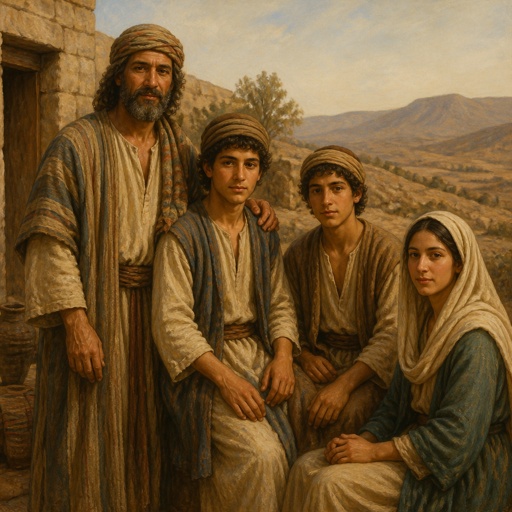
"And the children of Lotan were Hori and Hemam; and Lotan's sister was Timna." - Genesis 36:22

Isaiah 36:4 - "¶ And Rabshakeh said unto them, Say ye now to Hezekiah, Thus saith the great king, the king of Assyria, What confidence is this wherein thou trustest?"

Isaiah 36:10 - "And am I now come up without the LORD against this land to destroy it? the LORD said unto me, Go up against this land, and destroy it."

Isaiah 36:1 - "Now it came to pass in the fourteenth year of king Hezekiah, that Sennacherib king of Assyria came up against all the defenced cities of Judah, and took them."

1 Kings 22:36 - "And there went a proclamation throughout the host about the going down of the sun, saying, Every man to his city, and every man to his own country."

Numbers 22:36 - "¶ And when Balak heard that Balaam was come, he went out to meet him unto a city of Moab, which is in the border of Arnon, which is in the utmost coast."

Isaiah 36:18 - "Beware lest Hezekiah persuade you, saying, The LORD will deliver us. Hath any of the gods of the nations delivered his land out of the hand of the king of Assyria?"