A Legacy of Surrender: Lessons from Isaiah 39:7
“And of thy sons that shall issue from thee, which thou shalt beget, shall they take away; and they shall be eunuchs in the palace of the king of Babylon.” — Isaiah 39:7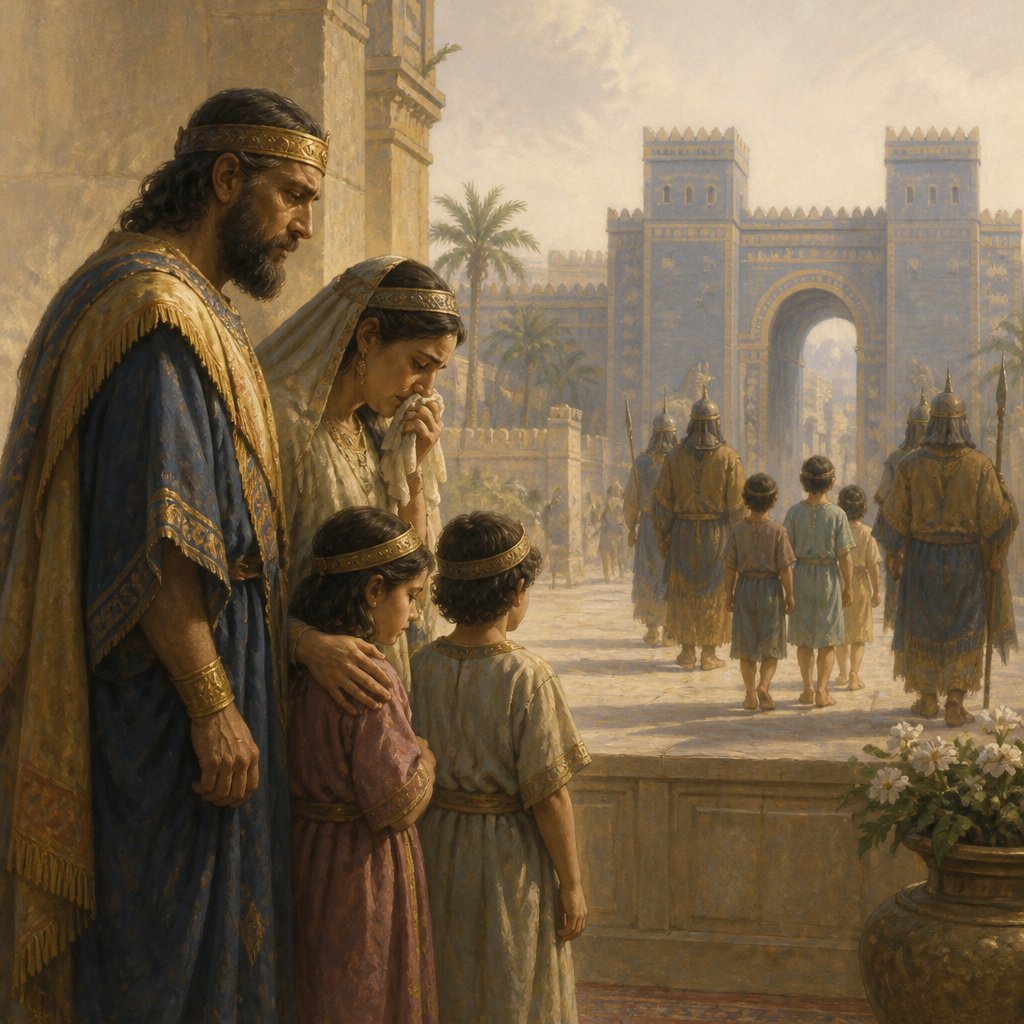
In the realms of prophetic scripture, many verses resonate with clarity and wisdom, yet few evoke a complex tapestry of emotions quite like Isaiah 39:7. In this poignant verse, the prophet Isaiah conveys a message to King Hezekiah: "And of thy sons that shall issue from thee, which thou shalt beget, shall they take away; and they shall be eunuchs in the palace of the king of Babylon." Such a statement is laden with foreboding, revealing the consequences of one’s actions and the sovereignty of God’s will in unpredictable ways.
To fully understand the weight of this declaration, we must first consider the backdrop of Hezekiah’s story. He was a king who initially followed the ways of the Lord, instigating reforms and restoring true worship among the people of Judah. However, after a miraculous recovery from illness, he succumbed to pride and flaunted his wealth and resources to envoys from Babylon. This moment of arrogance, seeking glory rather than giving it to God, initiated a chain of events that would alter the course of his lineage forever.
Isaiah’s response serves as a divine warning, and while it may seem severe, it illustrates the principle of generational consequences. The sons Hezekiah would beget were not only affected by the king’s pride but also by the looming judgment of God upon his kingdom. In the ancient Near Eastern context, being made a eunuch was a position filled with both trust and trauma. It often involved a loss of personal legacy and family lineage, signifying service without the prospect of continuity. In essence, Hezekiah’s missteps lead to a heritage marked by an inability to establish enduring legacies according to the customary practices of his people.
Upon reflecting on this verse, we can draw several essential lessons concerning the repercussions of our actions, the significance of humility, and God’s overarching plan in our lives. The first lesson reminds us of the gravity of leadership. As individuals—be it as parents, teachers, or role models—our decisions echo through the lives of those who follow us. Hezekiah’s pride showcases how vital it is to act with integrity, recognizing that our choices write the story for those we influence. Each interaction and decision carries weight, merging into the complex narrative of familial and communal heritage. Thus, the question arises: what legacy are we writing?
Moreover, this scripture admonishes us to embrace humility and reliance on God. We may find ourselves elevated by achievements or blessings; however, true wisdom lies in understanding our place beneath the majesty and purpose of God. When we allow pride to take the throne of our hearts, we open doors to consequences that may extend beyond our immediate understanding. Hezekiah’s experience teaches us the importance of constant vigilance in our spiritual walk, encouraging a posture of humility that aligns us with God’s will rather than our ambitions.
Lastly, Isaiah 39:7 serves as a reminder that God's plans often transcend our understanding. The prophecy concerning the future of Hezekiah's descendants reveals that even in the midst of judgment, the tapestry of God’s plan continues to unfold. As we navigate the challenges of life, we may encounter circumstances that seem steeped in despair, judgment, or loss. Yet, just as God had a plan even in the face of consequence for Judah, He can turn our trials into testimonies and lay a foundation for redemption in the midst of despair.
With a heart attuned to God, let us ponder the gravity of our actions and their impact not only on us but also on generations to come. Like Hezekiah, may we recognize our need for humility and stewardship over that which God has entrusted to us, thus fostering a legacy that honors His glory. For ultimately, it is through surrender that we find our true strength and purpose in Him, leading to a future steeped in hope rather than despair.
Get our apps


Artwork for Isaiah 39:7

Isaiah 39:7 - "And of thy sons that shall issue from thee, which thou shalt beget, shall they take away; and they shall be eunuchs in the palace of the king of Babylon."
"And of thy sons that shall issue from thee, which thou shalt beget, shall they take away; and they shall be eunuchs in the palace of the king of Babylon." - Isaiah 39:7

Isaiah 39:5 - "Then said Isaiah to Hezekiah, Hear the word of the LORD of hosts:"

John 7:37-39

John 7:37-39

"Then said Isaiah to Hezekiah, Hear the word of the LORD of hosts:" - Isaiah 39:5

Isaiah 39:8 - "Then said Hezekiah to Isaiah, Good is the word of the LORD which thou hast spoken. He said moreover, For there shall be peace and truth in my days."

1 Chronicles 7:39 - "And the sons of Ulla; Arah, and Haniel, and Rezia."

Psalms 39:7 - "And now, Lord, what wait I for? my hope is in thee."

Nehemiah 7:39 - "¶ The priests: the children of Jedaiah, of the house of Jeshua, nine hundred seventy and three."

Job 39:7 - "He scorneth the multitude of the city, neither regardeth he the crying of the driver."

Isaiah 39:3 - "¶ Then came Isaiah the prophet unto king Hezekiah, and said unto him, What said these men? and from whence came they unto thee? And Hezekiah said, They are come from a far country unto me, even from Babylon."

Numbers 7:39 - "One young bullock, one ram, one lamb of the first year, for a burnt offering:"

Jeremiah 39:7 - "Moreover he put out Zedekiah's eyes, and bound him with chains, to carry him to Babylon."

Exodus 39:7 - "And he put them on the shoulders of the ephod, that they should be stones for a memorial to the children of Israel; as the LORD commanded Moses."

Isaiah 39:1 - "At that time Merodach-baladan, the son of Baladan, king of Babylon, sent letters and a present to Hezekiah: for he had heard that he had been sick, and was recovered."

Acts 7:39 - "To whom our fathers would not obey, but thrust him from them, and in their hearts turned back again into Egypt,"

"And the sons of Ulla; Arah, and Haniel, and Rezia." - 1 Chronicles 7:39

Isaiah 39:4 - "Then said he, What have they seen in thine house? And Hezekiah answered, All that is in mine house have they seen: there is nothing among my treasures that I have not shewed them."

isaiah 6:7

John 7:39 - "(But this spake he of the Spirit, which they that believe on him should receive: for the Holy Ghost was not yet given; because that Jesus was not yet glorified.)"

Genesis 39:7 - "¶ And it came to pass after these things, that his master's wife cast her eyes upon Joseph; and she said, Lie with me."

Isaiah 39:6 - "Behold, the days come, that all that is in thine house, and that which thy fathers have laid up in store until this day, shall be carried to Babylon: nothing shall be left, saith the LORD."

isaiah 6:7

1 Corinthians 7:39 - "The wife is bound by the law as long as her husband liveth; but if her husband be dead, she is at liberty to be married to whom she will; only in the Lord."
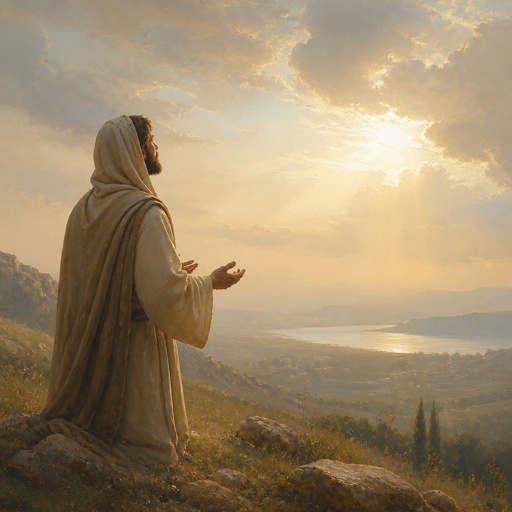
"And now, Lord, what wait I for? my hope is in thee." - Psalms 39:7

"Then said Hezekiah to Isaiah, Good is the word of the LORD which thou hast spoken. He said moreover, For there shall be peace and truth in my days." - Isaiah 39:8

Isaiah 7:7 - "Thus saith the Lord GOD, It shall not stand, neither shall it come to pass."

Isaiah 50:7–9

Isaiah 49 1-7