The Search for Identity and Acceptance
“And in that day seven women shall take hold of one man, saying, We will eat our own bread, and wear our own apparel: only let us be called by thy name, to take away our reproach.” — Isaiah 4:1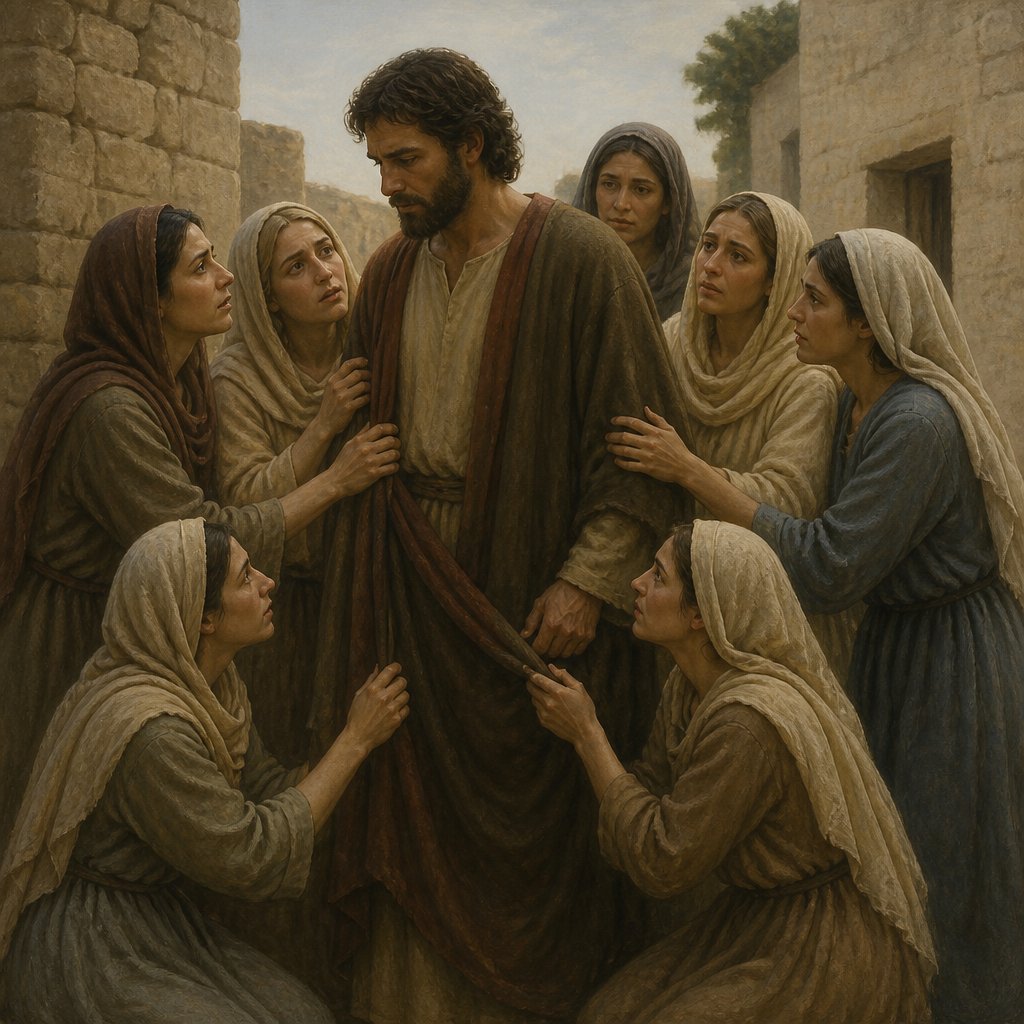
Isaiah 4:1 presents a prophetic image that is both striking and indicative of a deeper spiritual longing—"And in that day seven women shall take hold of one man, saying, We will eat our own bread, and wear our own apparel: only let us be called by thy name, to take away our reproach." At first glance, this verse might evoke overwhelming emotions of desperation and societal imbalance, yet it also sheds light on profound themes of identity, belonging, and the quest for divine acceptance.
To fully grasp the essence of this verse, we must recognize the cultural context of ancient Israel. The backdrop of Isaiah’s prophecy hints at a time of great turmoil and social upheaval. The "women" mentioned here symbolize a collective longing for security and relationship amidst a world that had turned chaotic. This desire for connection is reflective of humanity’s fundamental need—not just for physical sustenance and garments, but for a deeper sense of identity and purpose.
As the women declare their willingness to "eat their own bread" and "wear their own apparel," they ironically emphasize their independence and self-sufficiency in a time when such autonomy often led to stigmatization and disgrace. In a patriarchal society, a woman’s identity often hinged upon her relationship with a man. By stating, "only let us be called by thy name," they yearn for recognition that transcends societal norms. They wish to shed the weight of reproach, indicating their desire for dignity and validation that comes from being associated with a man, despite their independence.
Through these verses, Isaiah distills a poignant truth: people are often desperate for validation. We live in a world where identity is frequently tied to external circumstances—be it marital status, religious affiliation, professional success, or social standing. Like the seven women of Isaiah 4:1, we chase after approval, desiring to be known by our connections rather than our intrinsic worth. This illustrates the struggle with identity that has persisted throughout the ages, and it begs the question: where do we find our true worth?
The apostle Paul reminds us in Galatians 3:28 that in Christ, we are one: "There is neither Jew nor Greek, neither bond nor free, neither male nor female: for ye are all one in Christ Jesus." Our identity in Christ breaks through the barriers that society constructs. When we remember that our worth comes from being created in the image of God, we find confidence and solace in His love, which far exceeds the validation we seek from the world.
In considering the larger narrative of Isaiah’s writings, we also confront the theme of divine restoration. God's ultimate plan for Israel—as with all His creation—is to restore His people to Himself and to offer grace despite their failures. In a sense, the cry of the seven women can be seen as a foreshadowing of humanity's need for reconciliation with God. We, too, are invited into a relationship that transcends our individual repertoires of sorrow, shame, or reproach.
Thus, the hopeful message in Isaiah 4:1 is not lost in the chaos of desperation; it reflects our deep need for acceptance and belonging in Christ. The pursuit of social approval may lead to emptiness, but the acceptance found in acknowledging our identity as beloved children of God brings lasting fulfillment.
As we meditate on this verse, let us reflect on our own search for identity. Are we attempting to find worth in relationships or circumstances that cannot provide it? Are we seeking to be known by the names and titles that society places on us? May we turn our gaze upward this day, embracing our true identity as children of God, beloved and sought after, as we release our need for validation from the world around us.
Get our apps


Artwork for Isaiah 4:1

Isaiah 4:1 - "And in that day seven women shall take hold of one man, saying, We will eat our own bread, and wear our own apparel: only let us be called by thy name, to take away our reproach."
"And in that day seven women shall take hold of one man, saying, We will eat our own bread, and wear our own apparel: only let us be called by thy name, to take away our reproach." - Isaiah 4:1

Isaiah 40:4

Isaiah 9:1-4
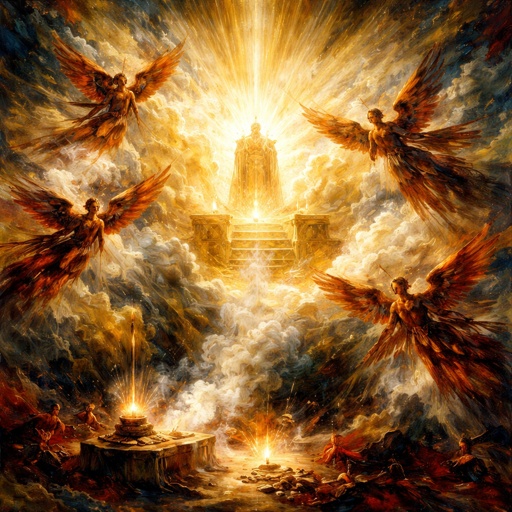
Isaiah 6:1-4. Do not depict God's face.
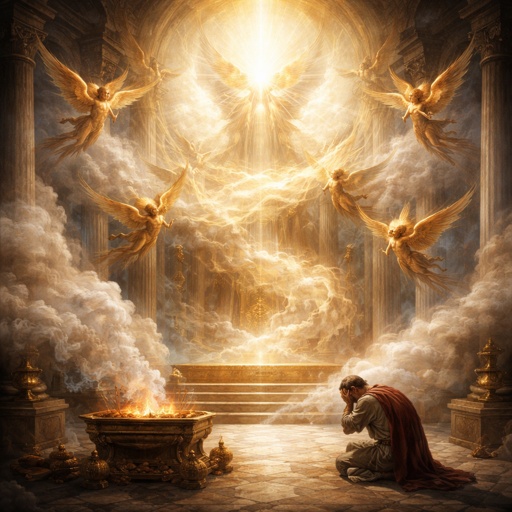
Isaiah 6:1-4. Do not depict God's face.
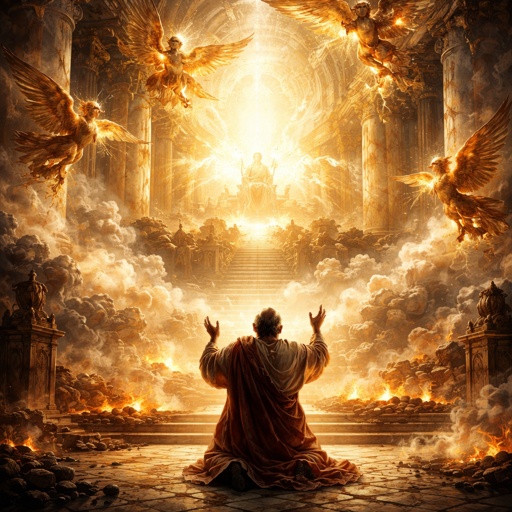
Isaiah 6:1-4. Do not depict God's face.

Isaiah 38:4 - "¶ Then came the word of the LORD to Isaiah, saying,"
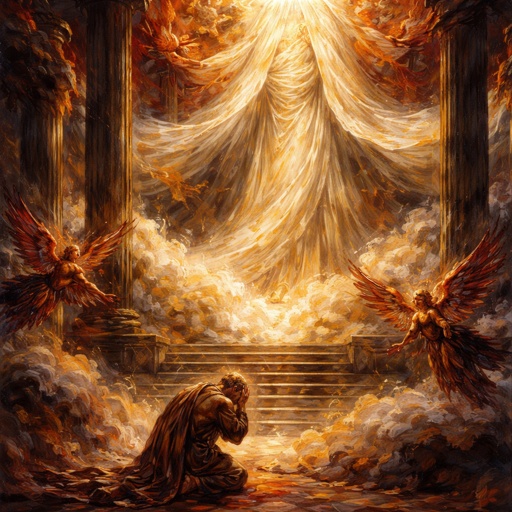
Isaiah 6:1-4. Only seeing the robe of God and not his upper body or face.
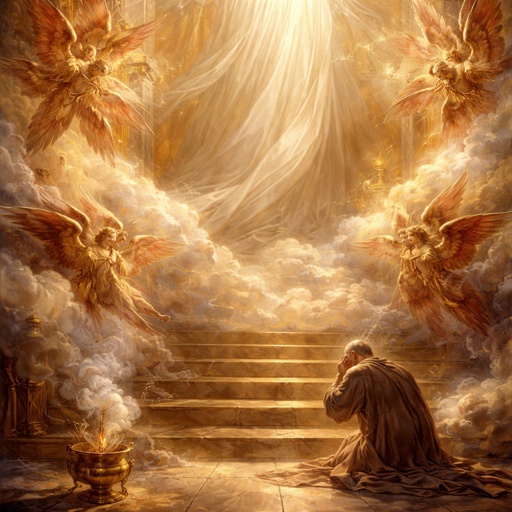
Isaiah 6:1-4. Only seeing the robe of God and not his upper body or face.
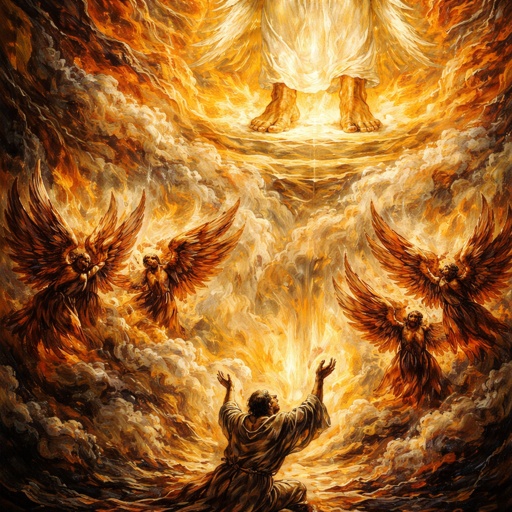
Isaiah 6:1-4. Only seeing the feet of God and not his upper body or face.
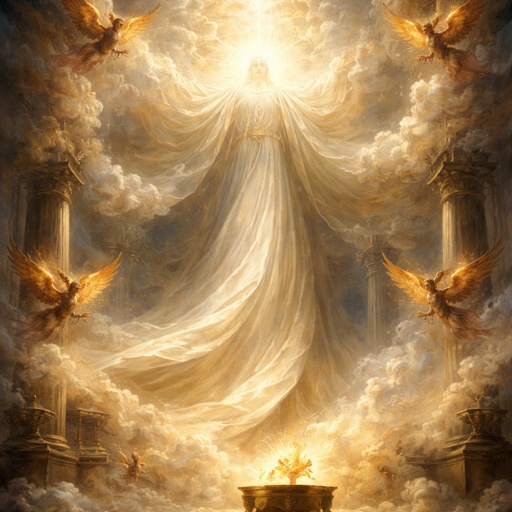
Isaiah 6:1-4. Only seeing the robe of God and not his upper body or face.
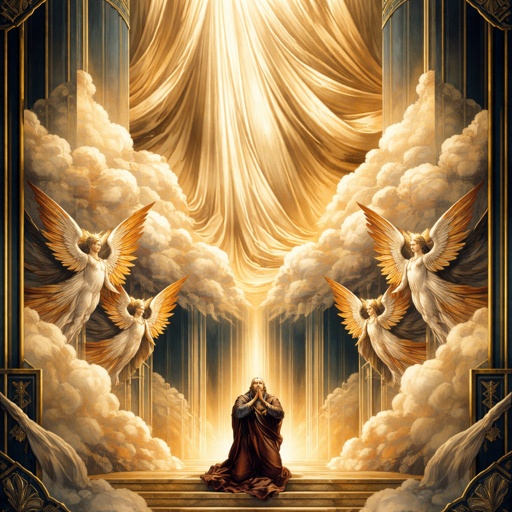
Isaiah 6:1-4. Only seeing the robe of God and not his upper body or face.
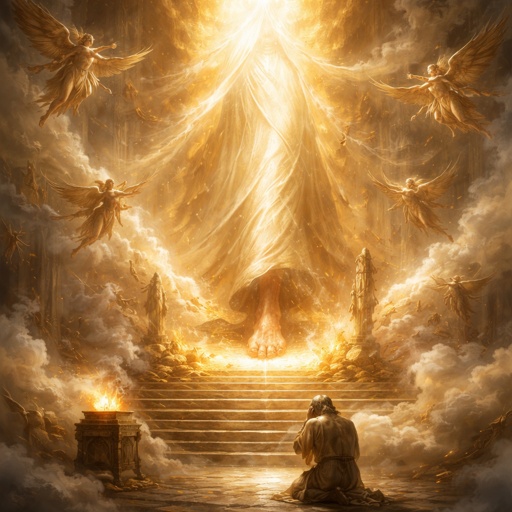
Isaiah 6:1-4. Only seeing the feet of God and not his upper body or face.

Isaiah 29:4
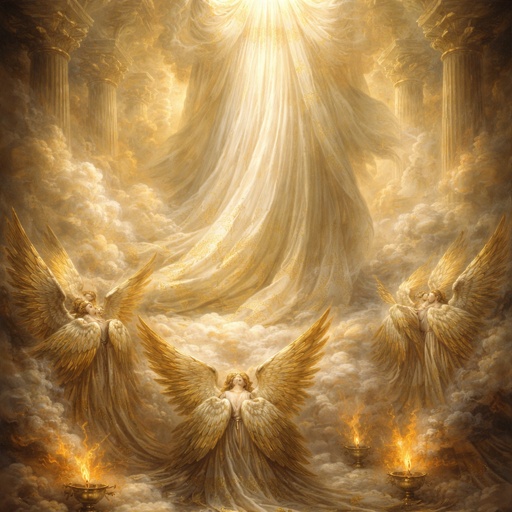
Isaiah 6:1-4. Only seeing the robe of God and not his upper body or face. Wings of angels should be covering their faces.

Isaiah 29:4

Isaiah 1:4 - "Ah sinful nation, a people laden with iniquity, a seed of evildoers, children that are corrupters: they have forsaken the LORD, they have provoked the Holy One of Israel unto anger, they are gone away backward."

"¶ Then came the word of the LORD to Isaiah, saying," - Isaiah 38:4

Isaiah 6:4-7
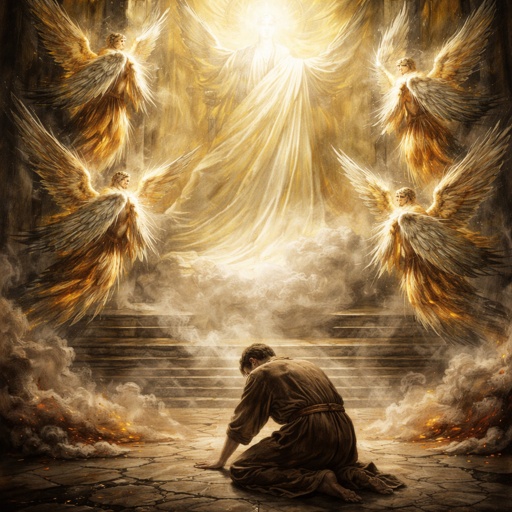
Isaiah 6:1-4. Only seeing the robe of God and not his upper body or face. The seraphim should be covering their faces with their wings, with two wings they fly, and with two wings they cover their feet. Make sure the angels faces are covered with their wings. Also have Isaiah kneeling down and humbled before this scene
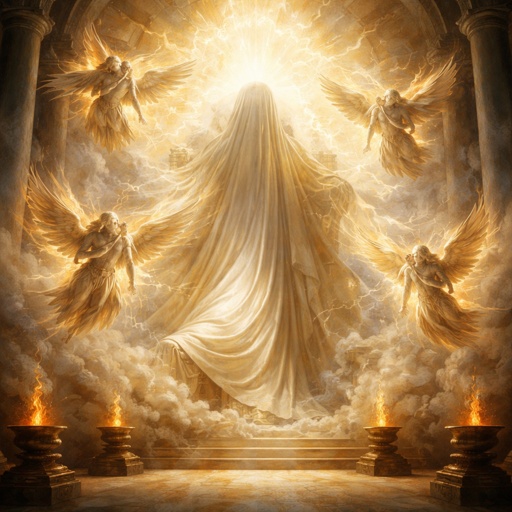
Isaiah 6:1-4. Only seeing the robe of God and not his upper body or face. The seraphim should be covering their faces with their wings, with two wings they fly, and with two wings they cover their feet
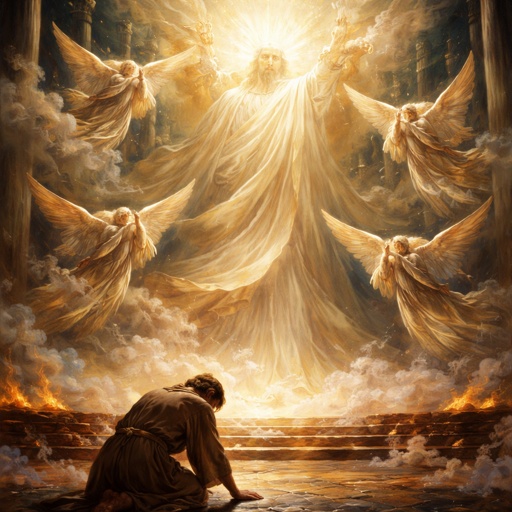
Isaiah 6:1-4. Only seeing the robe of God and not his upper body or face. The seraphim should be covering their faces with their wings, with two wings they fly, and with two wings they cover their feet. Make sure the angels faces are covered with their wings. Also have Isaiah kneeling down and humbled before this scene. Make sure the angels faces are covered

Isaiah 30:4 - "For his princes were at Zoan, and his ambassadors came to Hanes."

Isaiah 44:4 - "And they shall spring up as among the grass, as willows by the water courses."

Isaiah 26:4 - "Trust ye in the LORD for ever: for in the LORD JEHOVAH is everlasting strength:"

Isaiah 63:4 - "For the day of vengeance is in mine heart, and the year of my redeemed is come."

Isaiah 2:1 - "The word that Isaiah the son of Amoz saw concerning Judah and Jerusalem."

Isaiah 1:1 - "The vision of Isaiah the son of Amoz, which he saw concerning Judah and Jerusalem in the days of Uzziah, Jotham, Ahaz, and Hezekiah, kings of Judah."

Isaiah 6:4 - "And the posts of the door moved at the voice of him that cried, and the house was filled with smoke."