The Sound of Celebration, the Silence of Reverence
"And the harp, and the viol, the tabret, and pipe, and wine, are in their feasts: but they regard not the work of the LORD, neither consider the operation of his hands." - Isaiah 5:12
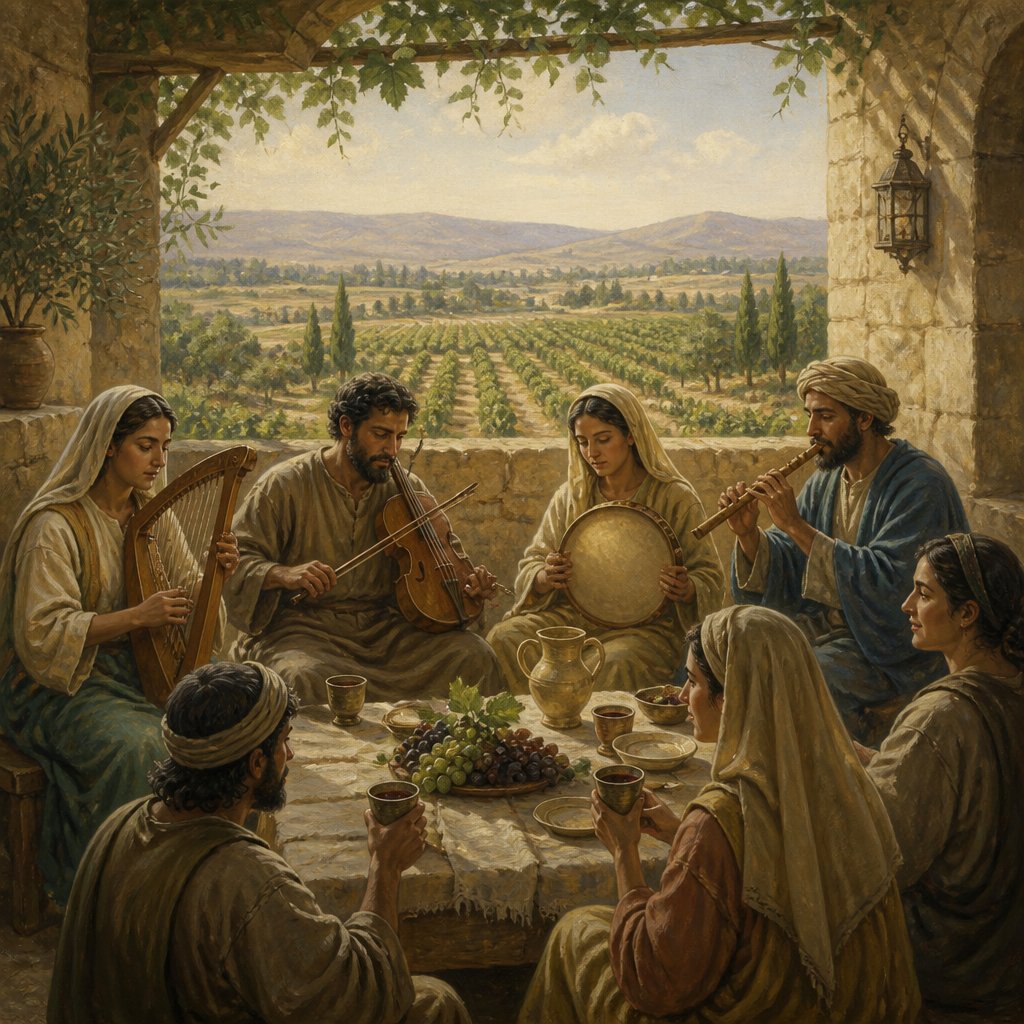
In the book of Isaiah, chapter 5, verse 12, we find a poignant critique of a people lost in revelry while neglecting the foundational truths of their faith: "And the harp, and the viol, the tabret, and pipe, and wine, are in their feasts: but they regard not the work of the LORD, neither consider the operation of his hands" (KJV). This verse paints a vivid picture of a culture that indulges in celebration and sensory pleasure while turning a blind eye to the profound realities of God’s creation and sovereignty.
### Understanding the Context
Isaiah lived in a tumultuous time, when the people of Israel struggled with their identity and devotion to God amidst surrounding pagan cultures. His message served both as a warning and a call to repentance. The Israelites had become absorbed in their own pleasures, marked by music and feasting, yet they failed to acknowledge the work of the Almighty in their lives—an outcome that echoed through centuries of spiritual neglect.
### The Instruments of Celebration
The verse lists several musical instruments—the harp, viol, tabret, and pipe—along with the mention of wine, all symbols of joy and celebration. These elements reflect a vibrant and lively culture, emphasizing the human propensity to seek joy in the tangible and immediate. In worship, music often plays an essential role, serving as a medium through which we express our adoration and gratitude towards God. However, when the celebration overshadows the purpose of worship, it leads us to a dangerous distraction.
### The Danger of Distraction
The danger presented in Isaiah 5:12 is not in the act of celebration itself, but in the heart that neglects the proper reverence for God. The people were engaged in a feast—likely bursting with music, laughter, and probably intoxicated joy—yet their hearts were devoid of acknowledgment for God's mighty acts. God’s work, from creation to providence, calls for our attention. When we ignore this, we become like the Israelites, indulging in the feast without understanding the significance of the One who provides.
### Reflecting on Our Own Feasts
As Christians today, we too find ourselves at times caught up in the celebrations of life—be it holidays, personal achievements, or communal events. These moments can serve as opportunities for joy and thanksgiving, but they must not blind us to the workings of God in our lives. We must ask ourselves: do we consider the operation of His hands in our routines? Are our hearts focused on God's faithfulness and grace while we enjoy His blessings?
### A Call to Consider
This passage challenges us to meditate on what it means to regard the work of the LORD consciously. In the hustle of our lives, how often do we take a moment to consider His creation—the beauty of nature, the miracle of life, and the redemption available through Christ? Reflection on these matters should inspire awe and reverence, leading us back to a place of worship rather than a place of distraction.
### Cultivating a Heart of Reverence
To cultivate a heart that acknowledges God's work, we can practice the discipline of gratitude. Start each day by listing three things for which you are thankful. Allow this habit to realign our hearts, transforming the mundane into moments of worship as we recognize God's hand at work. Consider setting aside dedicated time to simply reflect on God’s goodness and to worship in spirit and truth, ensuring that our celebrations are enriched with a deep understanding of whose presence we invite into our lives.
### Conclusion
Isaiah’s warning resonates through history: the sounds of celebration should harmonize with the reverence of acknowledgment. Let our lives be a testament to both joy and reverence—a joyous expression of gratitude towards the God who works mightily among us. As we celebrate, let us do so with a heart that profoundly considers and appreciates the operations of His hands. May our feasts be filled with music and praise that acknowledges the greatness of the LORD and not turn us away from His presence.
Want to reflect more on Isaiah 5:12?
Continue your spiritual journey with Bible Chat — an AI-powered tool for exploring God's Word through conversation. Ask questions, discover connections, and deepen your understanding.
Get Our Apps


Isaiah 5:12 Artwork
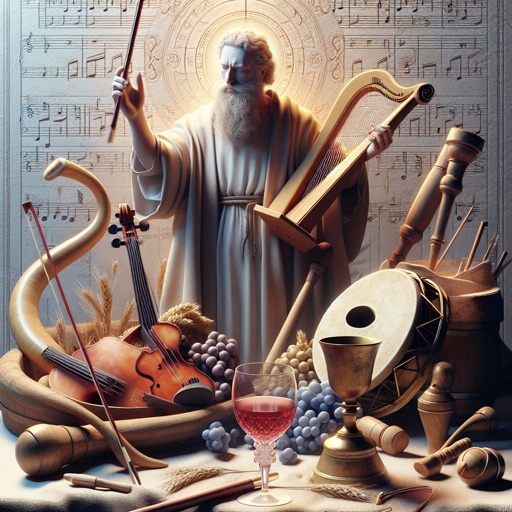
Isaiah 5:12 - "And the harp, and the viol, the tabret, and pipe, and wine, are in their feasts: but they regard not the work of the LORD, neither consider the operation of his hands."
"And the harp, and the viol, the tabret, and pipe, and wine, are in their feasts: but they regard not the work of the LORD, neither consider the operation of his hands." - Isaiah 5:12

Isaiah 12:5 - "Sing unto the LORD; for he hath done excellent things: this is known in all the earth."

"Sing unto the LORD; for he hath done excellent things: this is known in all the earth." - Isaiah 12:5

Isaiah 37:5 - "So the servants of king Hezekiah came to Isaiah."

Isaiah 39:5 - "Then said Isaiah to Hezekiah, Hear the word of the LORD of hosts:"

Isaiah 5:21

Isaiah 53:5

Isaiah 5:21

Isaiah 6:1-5

Isaiah 6:1-5

Isaiah 14:12

Isaiah 12:3
Isaiah 12:3

Isaiah 12:6

Isaiah 29:12

Isaiah 12:6

Isaiah 12:3

Isaiah 12:3

Isaiah 12:3

Isaiah 12:3

Isaiah 12:3

Isaiah 12:3

Isaiah 12:2

Isaiah 12:3

Isaiah 28:12

Isaiah 28:12

Isaiah 12:3

Isaiah 12:3

Isaiah 12:3