The Vineyard of Our Lives: A Call to Fruitfulness
"What could have been done more to my vineyard, that I have not done in it? wherefore, when I looked that it should bring forth grapes, brought it forth wild grapes?" - Isaiah 5:4
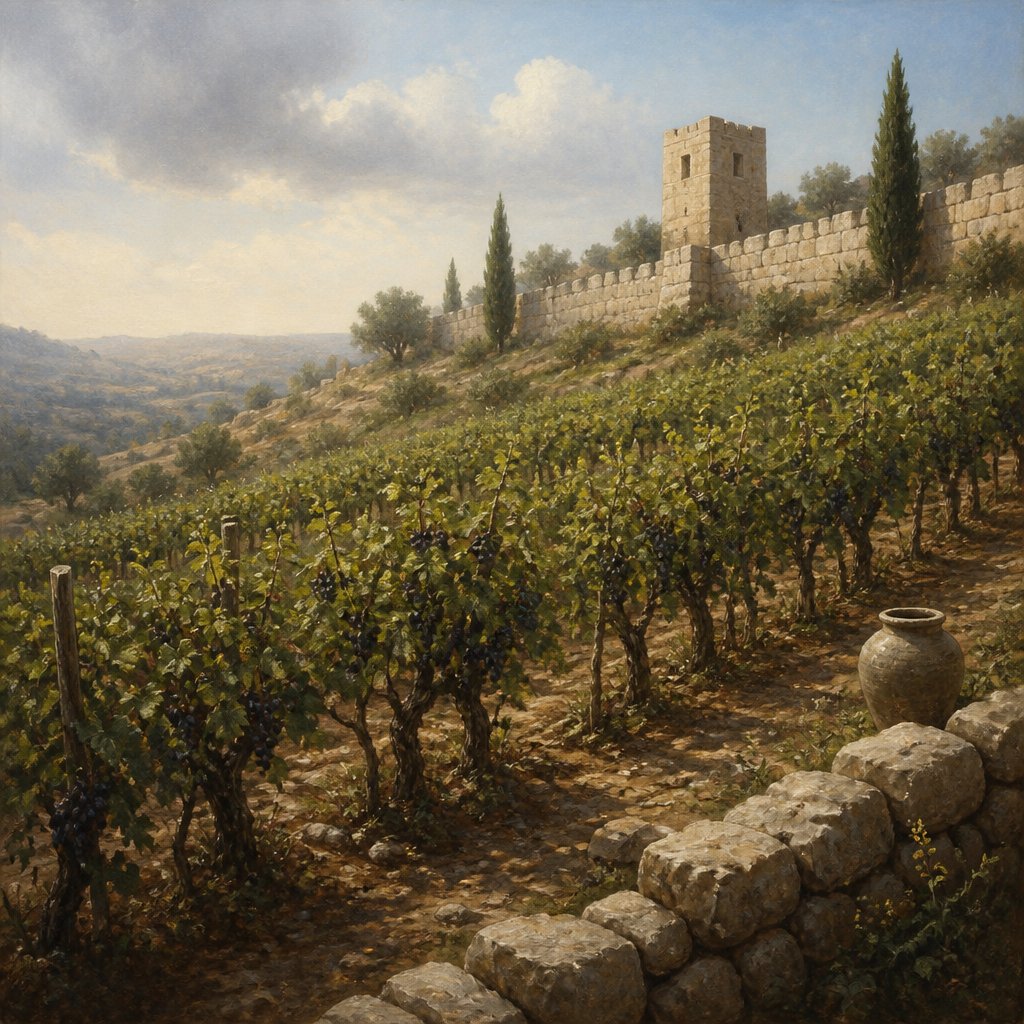
In Isaiah 5:4, the Lord asks an insightful question that echoes through the ages: "What could have been done more to my vineyard, that I have not done in it? wherefore, when I looked that it should bring forth grapes, brought it forth wild grapes?" This poignant verse is part of a larger allegory in which God uses the metaphor of a vineyard to describe His people, Israel, and the expectations He has for them.
The imagery of the vineyard is rich with meaning. In ancient Israel, a vineyard was a precious possession, carefully tended to ensure it bore good fruit. A vineyard required attention, care, and investment. It illustrates the intimate relationship between the caretaker and the cared-for. God, as the vinedresser, invested everything into His vineyard—His people: He provided them with His laws, sent prophets, and made a covenant with them. Yet, despite His efforts, the expectation of good fruit—righteousness, faithfulness, and justice—was met with disappointment as "wild grapes" emerged instead.
This verse is not only a reflection of Israel’s failure but also a deeply personal question for each of us today. God is asking us about our own lives, our own vineyards. What has He given us? What resources, opportunities, gifts, and relationships has He entrusted to us? Are we tending to our lives in a way that will yield a harvest that pleases Him?
The inquiry, "What could have been done more?" serves as a challenge to resist complacency in our spiritual lives. God is not only the giver but the ethos of growth and prosperity. He desires an authentic relationship with us, one that leads us not to spiritual wildness marked by rebellion and sin, but to fruitful living characterized by love, peace, patience, and goodness.
As we meditate on this verse, we must ask ourselves: In what areas of my life am I not bearing the fruit that God desires? Are there gifts or talents I am neglecting? Are my relationships with others reflective of Christ’s love? Have I allowed sin to grow, producing wild grapes instead of the righteousness God expects?
The wild grapes symbolize the chaotic and ungodly life that results from neglecting our spiritual responsibilities. They represent a life focused on self rather than on glorifying God and serving others. As we engage with this scripture, we need to reflect on how we allocate our resources—our time, our talents, our treasures. Are we investing them wisely?
By bringing this awareness to our hearts, we invite the Holy Spirit to work within us, refining our understanding of fruitful living. Fruitfulness is the evidence of a life rooted in Christ. In John 15:5, Jesus speaks profoundly about this relationship: "I am the vine, ye are the branches: he that abideth in me, and I in him, the same bringeth forth much fruit; for without me ye can do nothing." Our ability to produce good fruit stems from our connection to Jesus—the true vine.
In response to God's question, we must commit to a life of diligence in cultivating our own vineyards. We can assess our daily routines, align our priorities with God’s word, and seek His guidance in every aspect of our lives. Establishing a personal devotional time, serving in our communities, or simply being more present with our loved ones can all transform how we bear fruit for the Kingdom of God.
In the agonizing question of God lies deep empathy and concern. He yearns for us to thrive, to indeed be fruitful and filled with His Spirit, producing the good fruit that brings glory to His name and joy to our hearts. May we heed the call to inspect our vineyards, repent of our shortcomings, and strive to bear the fruits of the Spirit, responding to the generous call of our loving Vinedresser.
Want to reflect more on Isaiah 5:4?
Continue your spiritual journey with Bible Chat — an AI-powered tool for exploring God's Word through conversation. Ask questions, discover connections, and deepen your understanding.
Get Our Apps


Isaiah 5:4 Artwork

Isaiah 5:4 - "What could have been done more to my vineyard, that I have not done in it? wherefore, when I looked that it should bring forth grapes, brought it forth wild grapes?"
"What could have been done more to my vineyard, that I have not done in it? wherefore, when I looked that it should bring forth grapes, brought it forth wild grapes?" - Isaiah 5:4

Isaiah 4:5 - "And the LORD will create upon every dwelling place of mount Zion, and upon her assemblies, a cloud and smoke by day, and the shining of a flaming fire by night: for upon all the glory shall be a defence."

Isaiah 37:5 - "So the servants of king Hezekiah came to Isaiah."

Isaiah 38:4 - "¶ Then came the word of the LORD to Isaiah, saying,"

Isaiah 39:5 - "Then said Isaiah to Hezekiah, Hear the word of the LORD of hosts:"

Isaiah 5:21

Isaiah 53:5

Isaiah 5:21

Isaiah 6:1-5

Isaiah 6:1-5

Isaiah 6:1-5

Isaiah 6:1-5

Isaiah 48:5

isaiah 5:14

Isaiah 48:5

Isaiah 48:5

Isaiah 6:5

Isaiah 6:5

Isaiah 48:5

Isaiah 40:4

Isaiah 29:4

Isaiah 45:5-6

Isaiah 29:4

"So the servants of king Hezekiah came to Isaiah." - Isaiah 37:5

Isaiah 45:5-6

Isaiah 56:3-5

"¶ Then came the word of the LORD to Isaiah, saying," - Isaiah 38:4

Isaiah 53:4-5 - "Surely he hath borne our griefs, and carried our sorrows: yet we did esteem him stricken, smitten of God, and afflicted. But he was wounded for our transgressions, he was bruised for our iniquities: the chastisement of our peace was upon him; and with his stripes we are healed."

Isaiah 9:1-4