The Valley of Humility: Embracing the Sovereignty of God
“And the mean man shall be brought down, and the mighty man shall be humbled, and the eyes of the lofty shall be humbled:” — Isaiah 5:15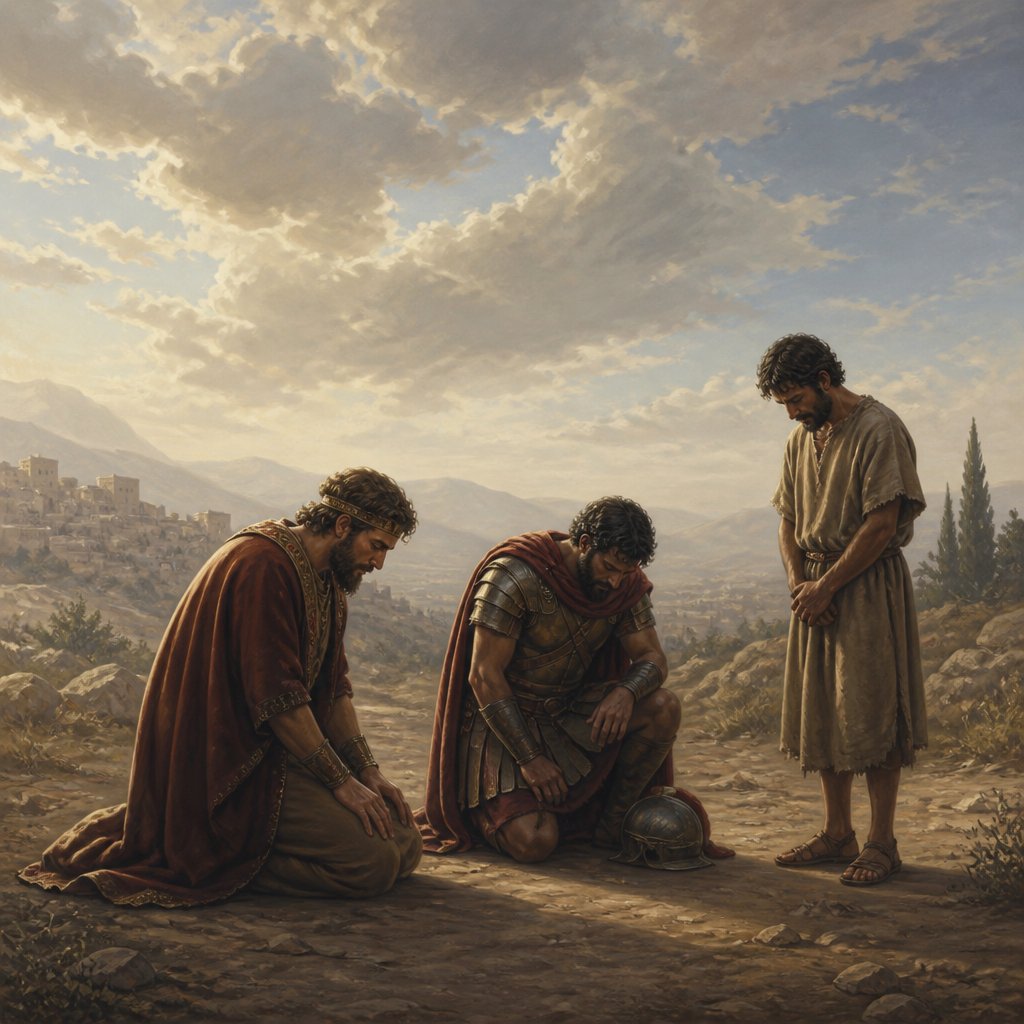
In the book of Isaiah, particularly in Isaiah 5:15 (KJV), we encounter a poignant declaration: "And the mean man shall be brought down, and the mighty man shall be humbled, and the eyes of the lofty shall be humbled." This verse invites us to reflect deeply on the theme of humility and the ultimate sovereignty of God over human affairs.
Isaiah, the prophet, conveys a powerful truth: no matter how lofty our status or mighty our accomplishments, there comes a time when all will be brought low before the Creator. This prophetic proclamation serves as both a warning and an encouragement. It speaks directly to the heart of human pride and the transient nature of our achievements.
As we delve into this verse, let’s consider the significance of the 'mean man' and the 'mighty man.’ The 'mean man,' often seen as insignificant in society's eyes, represents those who are undervalued and overlooked. In contrast, the 'mighty man' embodies power, influence, and authority. Yet, both are subjected to the same divine principle: the leveling force of God's justice and humility.
This brings to mind the question: Why does God choose to humble both the lowly and the mighty? The answer lies in the character of God and His desire for all to recognize His supreme authority. In the grand tapestry of life, God does not favor one over the other; instead, He calls all humanity to the acknowledgment of their dependence on Him.
Consider the story of Nebuchadnezzar, the king of Babylon, who was known for his great power and might. He built a kingdom that was a marvel of the ancient world, filled with riches and glory. Yet, in his arrogance, he forgot the source of his power. God, in His infinite wisdom, allowed Nebuchadnezzar to experience deep humility, even to the point of losing his sanity and living like an animal, until he finally recognized the sovereignty of God (Daniel 4:30-34). This illustrates the reality that even the mightiest of men are not beyond the reach of God’s humbling hand.
On the other side, we see the 'mean man' who may struggle through life unseen and unheard. Often burdened by challenges and trials, he represents the segments of society that cry out for justice and peace. Yet, God sees him. In a world that often overlooks the needy, God promises that every tear is noted, and every heartbroken cry is heard. He lifts up the humble – "For thou, LORD, hast been a refuge for the poor, a refuge for the needy in his distress" (Psalm 9:9).
This brings us to a profound understanding of humility in our own lives. To be called to humility is an invitation to allow God to take His rightful place in our hearts and in our lives. It's a call to realize that true greatness in God’s kingdom comes not from power, position, or prominence, but from a posture of reliance on Him. Jesus Himself exemplified this, spending His life teaching the principles of the Kingdom that often turned worldly wisdom on its head.
As believers, we are reminded to carry ourselves with a heart of humility, recognizing the fleeting nature of our earthly accolades. Reflecting on the promise of this passage invites us to ask ourselves: How can we embrace humility in our daily lives? Are we elevating our own desires above the will of God?
In conclusion, Isaiah 5:15 serves as a reminder of the inescapable truth that all humanity will be humbled before God. Those who hold mighty positions and those who carry heavy burdens are both equally called to submit to His will. Let us strive to cultivate a spirit of humility, remaining aware that our lives are but a breath in the presence of His eternal greatness. As we seek to draw closer to Him, may we embrace the path of humility, knowing that it leads to true exaltation in His sight.
Get our apps


Artwork for Isaiah 5:15

Isaiah 5:15 - "And the mean man shall be brought down, and the mighty man shall be humbled, and the eyes of the lofty shall be humbled:"
"And the mean man shall be brought down, and the mighty man shall be humbled, and the eyes of the lofty shall be humbled:" - Isaiah 5:15
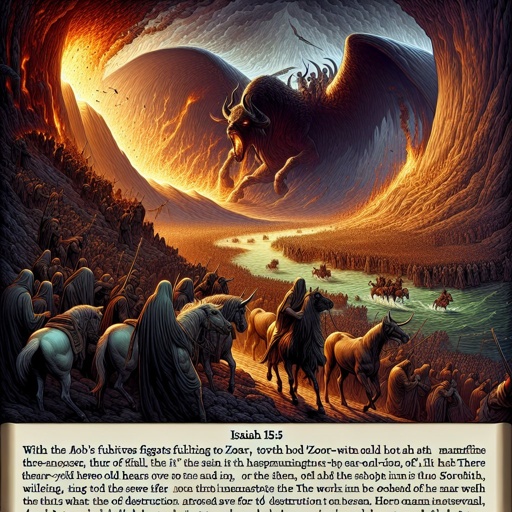
Isaiah 15:5 - "My heart shall cry out for Moab; his fugitives shall flee unto Zoar, an heifer of three years old: for by the mounting up of Luhith with weeping shall they go it up; for in the way of Horonaim they shall raise up a cry of destruction."

Isaiah 37:5 - "So the servants of king Hezekiah came to Isaiah."

Isaiah 39:5 - "Then said Isaiah to Hezekiah, Hear the word of the LORD of hosts:"

Isaiah 5:21

Isaiah 53:5

Isaiah 5:21

Isaiah 6:1-5

Isaiah 6:1-5

Isaiah 6:1-5

Isaiah 6:1-5

Isaiah 48:5

isaiah 5:14

Isaiah 48:5

Isaiah 48:5

Isaiah 6:5

Isaiah 6:5

Isaiah 48:5

Isaiah 37:15 - "And Hezekiah prayed unto the LORD, saying,"

Isaiah 45:5-6

"So the servants of king Hezekiah came to Isaiah." - Isaiah 37:5

Isaiah 45:5-6

Isaiah 56:3-5

John 15:5

Exodus 15:5

John 15:5

Isaiah 2:15 - "And upon every high tower, and upon every fenced wall,"

Isaiah 14:15 - "Yet thou shalt be brought down to hell, to the sides of the pit."

Matthew 5:15