The Vineyard of Our Lives: A Divine Plea for Righteous Judgment
“And now, O inhabitants of Jerusalem, and men of Judah, judge, I pray you, betwixt me and my vineyard.” — Isaiah 5:3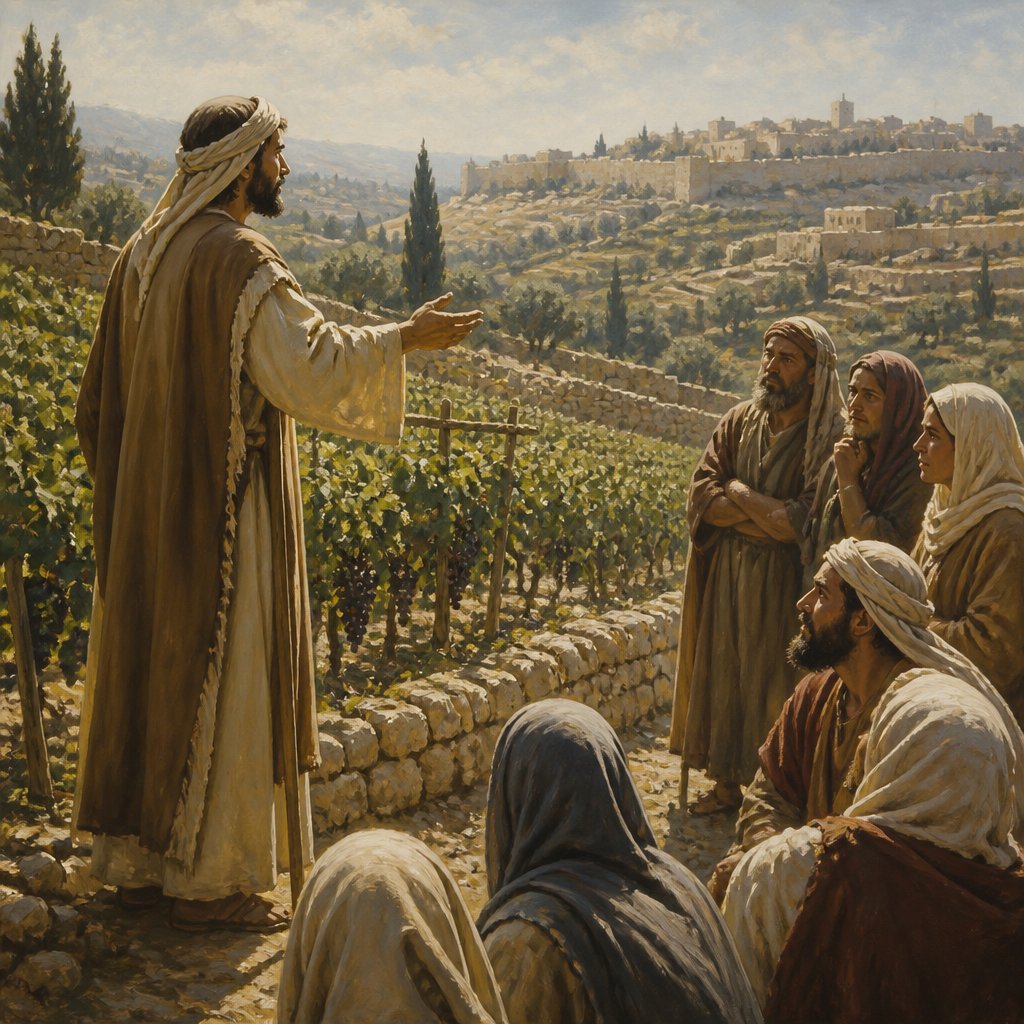
Isaiah 5:3 says, "And now, O inhabitants of Jerusalem, and men of Judah, judge, I pray you, betwixt me and my vineyard." In this poignant verse, the Lord invites His people to reflect critically on the relationship between Himself as the owner of the vineyard—His people—and the fruits that they bear. It is a profound call to self-examination, accountability, and discernment in our walk with God, as we navigate through life’s complexities.
**Understanding the Vineyard**
The vineyard in biblical terms often represents the people of God, cultivated with care and expectation. It signifies the efforts made by God Himself to nurture His creation, much like a farmer tending to his crops. In Isaiah 5, the Lord uses the metaphor of a vineyard that He has planted, cultivated, and protected, expecting it to produce good fruit. But time and again, instead of sweet and plentiful grapes, He finds wild grapes, unfit for His purpose (Isaiah 5:2).
This imagery serves as a reminder that as inhabitants of God’s kingdom—whether in Jerusalem, Judah, or anywhere in the world—we are called to produce the fruits of righteousness, love, justice, and mercy. The question He asks us is poignant: Are we yielding what He has planted within us?
**A Divine Invitation to Judgment**
The plea to “judge” is not merely a call to critique or condemn; it’s an invitation to weigh the actions of one’s heart and the fruit of one’s life against God’s standards. When the Lord of hosts calls us to judge between Him and His vineyard, He implores us not just to reflect on our actions but to consider our genuine relationship with Him. He desires authenticity in our faith—where our hearts are aligned with His expectations.
In an age of moral relativism, where ‘truth’ is seen through subjective lenses, the Lord’s challenge to judge becomes increasingly important. We must ask ourselves what foundation we are building upon. Are we committed to the principles of His word? Are we producing spiritual fruit that reflects His character? Galatians 5:22-23 outlines the fruits of the Spirit—love, joy, peace, longsuffering, gentleness, goodness, faith, meekness, and temperance. Are those fruits present, flourishing within our hearts and spilling over to those around us?
**Introspection and Transformation**
As we reflect on this scripture, we must also recognize that judgment ultimately begins with ourselves (Matthew 7:1-5), challenging us to confront the missteps in our lives, much like how the owner of the vineyard inspected his crop. The Hebrew people were called to account for their behaviors in light of God’s expectations, and so are we.
This moment of introspection is often uncomfortable, yet it is essential for spiritual growth. Perhaps we have allowed weeds of sin to encroach upon our lives, suppressing the vibrant fruits God desires to see. The communal aspect of this call for judgment signifies we are not alone in this examination—just as the inhabitants of Jerusalem stood together in their accountability, we too must surround ourselves with a community that urges and encourages us toward holiness.
**Restoration Through Grace**
No matter where we find ourselves in this evaluation, we must remember that God’s desire is not condemnation but restoration. In Isaiah 5, following the plea, He outlines the consequences of failing to produce good fruit. However, the overarching narrative of the Bible consistently reveals His unwavering love and mercy toward us.
In our acknowledging of faults, God offers us the grace to transform. As we delve into prayer and make honest confessions, let us strive to recommit ourselves to His vineyard—to cultivate our lives in accordance with His divine will, inviting the Holy Spirit to nurture those neglected corners within us.
In this season of reflection, let us stand together in honesty and humility, responding to God's call by examining our lives. May we emerge as fruitful vines, bringing glory to the Almighty and fulfilling the purpose He designed for us, as we collectively judge 'betwixt Him and His vineyard.'
Get our apps


Artwork for Isaiah 5:3

Isaiah 5:3 - "And now, O inhabitants of Jerusalem, and men of Judah, judge, I pray you, betwixt me and my vineyard."
"And now, O inhabitants of Jerusalem, and men of Judah, judge, I pray you, betwixt me and my vineyard." - Isaiah 5:3

Isaiah 56:3-5

Isaiah 3:5 - "And the people shall be oppressed, every one by another, and every one by his neighbour: the child shall behave himself proudly against the ancient, and the base against the honourable."

Isaiah 37:5 - "So the servants of king Hezekiah came to Isaiah."

Isaiah 39:5 - "Then said Isaiah to Hezekiah, Hear the word of the LORD of hosts:"

Isaiah 5:21

Isaiah 53:5

Isaiah 5:21

Isaiah 6:1-5

Isaiah 6:1-5

Isaiah 6:1-5

Isaiah 6:1-5

Isaiah 48:5

isaiah 5:14

Isaiah 48:5

Isaiah 48:5

Isaiah 6:5

Isaiah 6:5

Isaiah 48:5

Isaiah 45:5-6

Isaiah 12:3
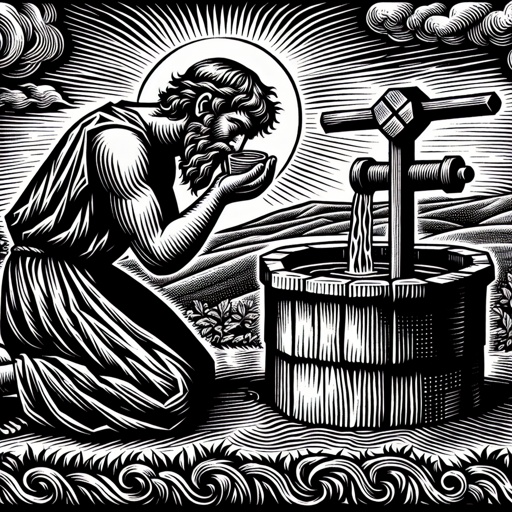
Isaiah 12:3

Isaiah 12:3

Isaiah 12:3

Isaiah 12:3

Isaiah 12:3

Isaiah 12:3

Isaiah 12:3

Isaiah 12:3