The Vineyard of the Lord: A Call to Righteousness and Justice
“For the vineyard of the LORD of hosts is the house of Israel, and the men of Judah his pleasant plant: and he looked for judgment, but behold oppression; for righteousness, but behold a cry.” — Isaiah 5:7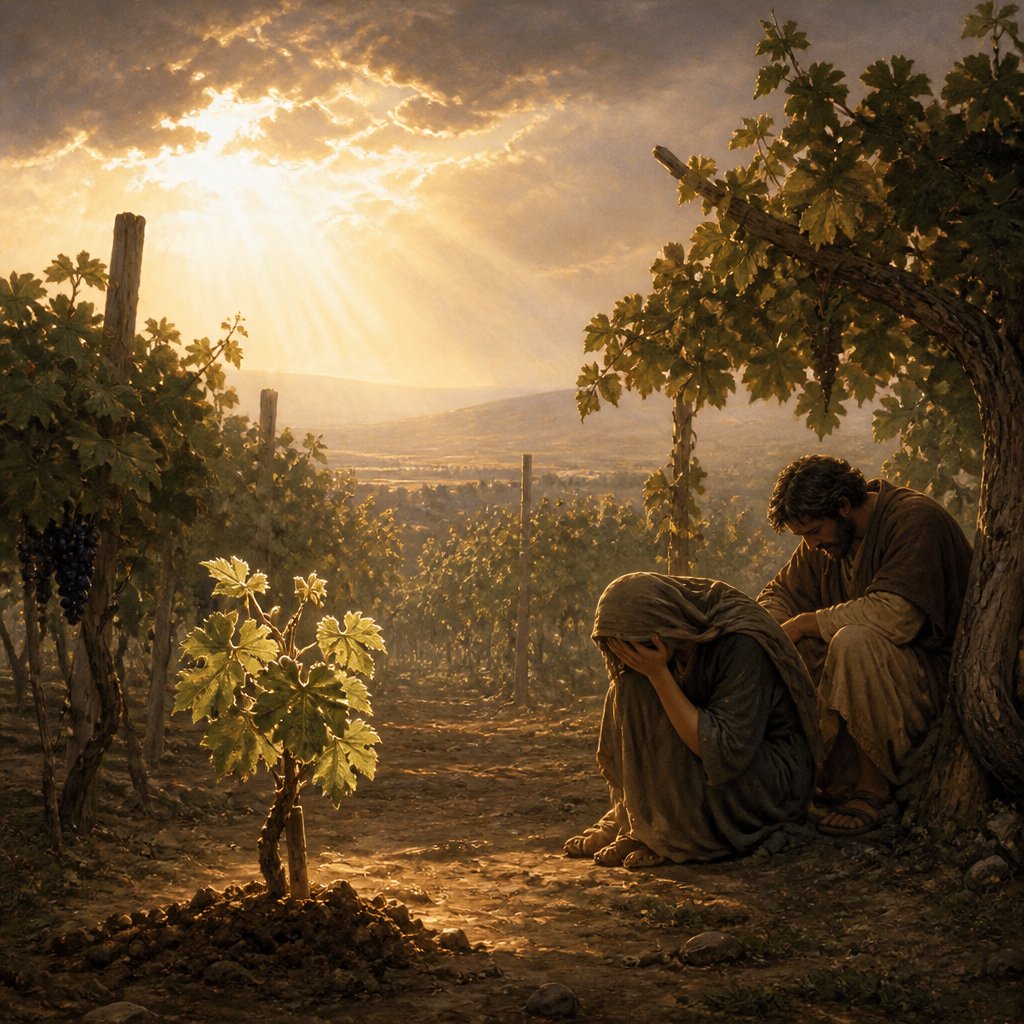
**Introduction**
In Isaiah 5:7, the prophet captures a poignant moment in God’s ongoing relationship with His people: "For the vineyard of the LORD of hosts is the house of Israel, and the men of Judah his pleasant plant: and he looked for judgment, but behold oppression; for righteousness, but behold a cry." This verse serves not only as a metaphorical depiction of Israel as a vineyard but also as a stark reminder of the moral and ethical obligations that arise when one claims to belong to God. In this reflection, we will unpack the layers of meaning inherent in this scripture and contemplate its implications for our lives today.
**Understanding the Vineyard**
The imagery of a vineyard in the Bible is profound, resonating deeply within the rich agricultural context of ancient Israel. A vineyard requires care, attention, and diligent labor; it reflects the heart of a diligent farmer and, in biblical terms, signifies the relationship between God and His people. When God refers to Israel as His vineyard, He is underscoring the special covenant He has established with them, where He expects not just belief, but concrete righteous living.
The term "pleasant plant" denotes Israel’s unique status as chosen by God to bear fruit—spiritual fruit that manifests as justice and righteousness. As the Creator, He has every right to inspect His vineyard for the kind of produce it yields. The expectation is clear: where God plants, He desires a harvest of righteousness, mercy, and justice.
**A Heart Cry for Justice and Righteousness**
Yet, we read with sadness that instead of the expected fruits of judgment and righteousness, there is instead oppression and a cry of the oppressed. The 'cry' here can be understood as a lament, a desperate plea from those suffering injustice. This dual observation warrants a deep examination of how our lives reflect our professed faith in Christ. It challenges us to reflect on the state of our own communities, our personal lives, and even our churches.
What could cause such disparity between God’s expectations and the actual state of humanity? The verse confronts us with the uncomfortable reality of sin and rebellion manifesting in societal structures. When individuals or communities stray from God’s commandments, the inevitable consequence is not only personal strife but also systemic injustice.
**God's Expectation**
As followers of Christ, we are reminded that God’s expectation remains unchanged: He desires His people to be conduits of His love and justice in the world. This means actively advocating for the marginalized, speaking truth to power, and embodying the compassion of Christ in a world desperately in need of hope. While God looked for "judgment," which speaks to unbiased justice, He found instead oppression—likely due to the choices of those holding power who neglected their duty to uplift the vulnerable.
**Our Response**
As we grapple with this scripture, we must take stock of our spiritual lives and the lives of our communities. Are we offering support to those who cry out for justice? Are we, in our spheres of influence, promoting righteousness and acting against oppression? It is a call to personal and communal repentance.
Let us also not forget that this verse, while somber, is a reminder of God’s hope and His ultimate plan to restore His creation. Every cry of pain stirs the heart of God, and we must align ourselves to be vessels of His love and agents of change. An authentically lived faith results in hearts that break for what breaks God’s heart.
**Conclusion**
In closing, Isaiah 5:7 is a clarion call to recognize the gravity of our roles as stewards of God’s vineyard. We are each planted with purpose—meant to produce good fruit. Let us lean into the full weight of this call, turning our hearts toward justice, compassion, and righteousness in our daily lives. May we be found faithful in producing the fruits of the Spirit that God so longs to see in His vineyard.
Get our apps


Artwork for Isaiah 5:7

Isaiah 5:7 - "For the vineyard of the LORD of hosts is the house of Israel, and the men of Judah his pleasant plant: and he looked for judgment, but behold oppression; for righteousness, but behold a cry."
"For the vineyard of the LORD of hosts is the house of Israel, and the men of Judah his pleasant plant: and he looked for judgment, but behold oppression; for righteousness, but behold a cry." - Isaiah 5:7

Isaiah5:5-7

Isaiah 7:5 - "Because Syria, Ephraim, and the son of Remaliah, have taken evil counsel against thee, saying,"
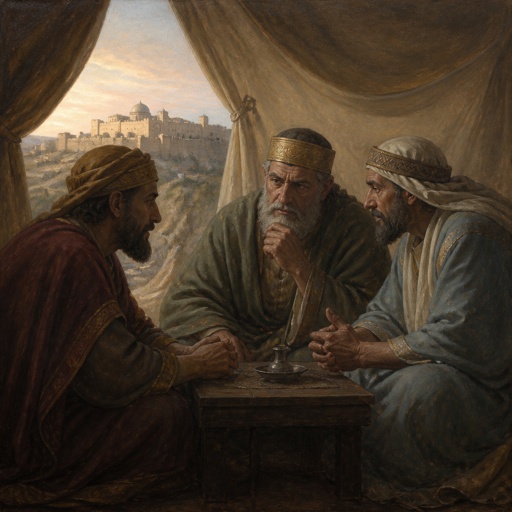
"Because Syria, Ephraim, and the son of Remaliah, have taken evil counsel against thee, saying," - Isaiah 7:5

Isaiah 37:5 - "So the servants of king Hezekiah came to Isaiah."

Isaiah 39:5 - "Then said Isaiah to Hezekiah, Hear the word of the LORD of hosts:"

Isaiah 5:21

Isaiah 53:5

Isaiah 5:21

Isaiah 6:1-5

Isaiah 6:1-5

isaiah 6:7

Isaiah 6:1-5

Isaiah 6:1-5

Isaiah 48:5

isaiah 5:14

Isaiah 48:5

isaiah 6:7

Isaiah 48:5

Isaiah 6:5

Isaiah 6:5

Isaiah 48:5

Isaiah 7:7 - "Thus saith the Lord GOD, It shall not stand, neither shall it come to pass."

Isaiah 45:5-6

Isaiah 50:7–9

Isaiah 49 1-7

"So the servants of king Hezekiah came to Isaiah." - Isaiah 37:5

Isaiah 45:5-6

Isaiah 56:3-5