Embracing Our Unworthiness Before the Divine
"¶ Then said I, Woe is me! for I am undone; because I am a man of unclean lips, and I dwell in the midst of a people of unclean lips: for mine eyes have seen the King, the LORD of hosts." - Isaiah 6:5
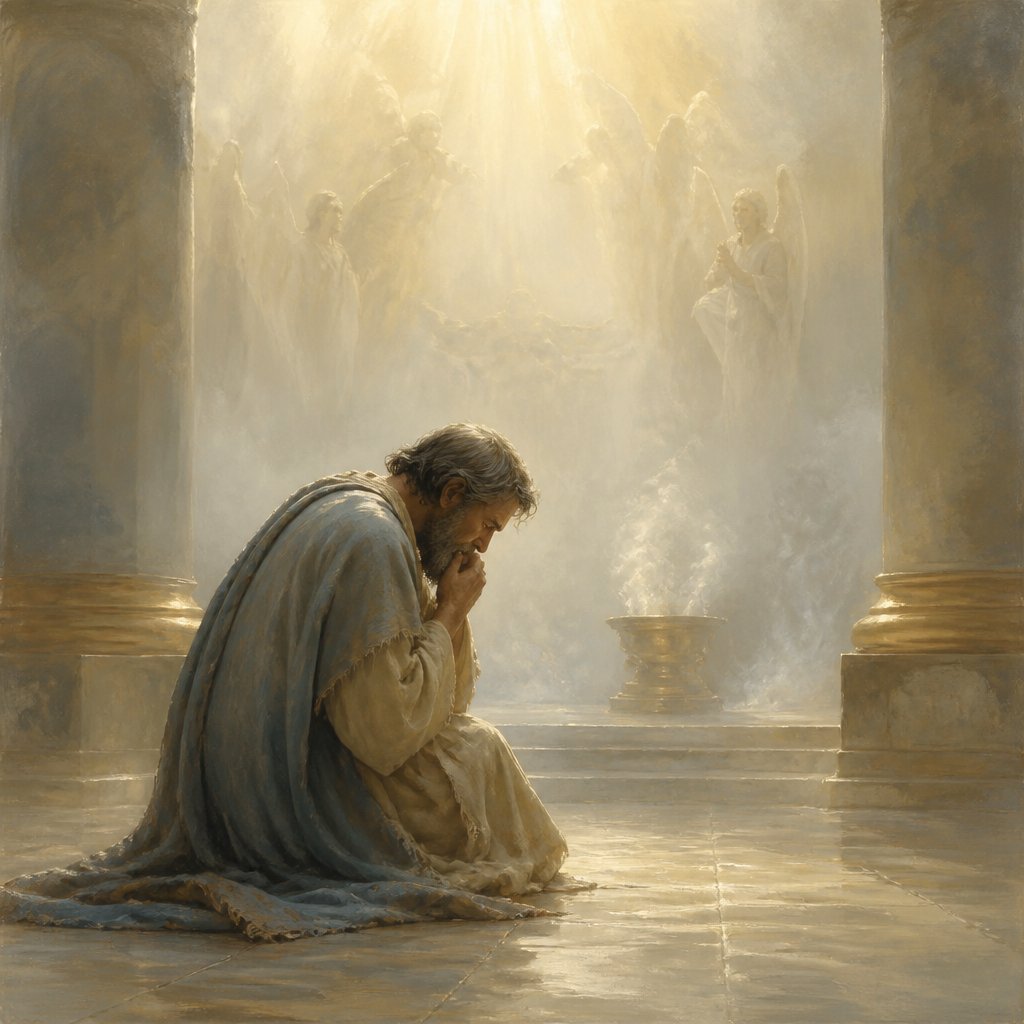
Isaiah 6:5 proclaims, "Then said I, Woe is me! for I am undone; because I am a man of unclean lips, and I dwell in the midst of a people of unclean lips: for mine eyes have seen the King, the LORD of hosts." This verse captures a profound moment of revelation and humility that speaks deeply to the human condition, inviting us to reflect on our own lives, our words, and our inherent need for divine grace.
Isaiah finds himself in the presence of God, witnessing a vision that reveals the holiness of the Lord. The terror and awe of standing before the Almighty inevitably overwhelms him, leading him to utter those famous words of desperation, "Woe is me!" This interaction highlights an essential aspect of true spirituality: the recognition of our inadequacies in the shadow of God's purity.
When Isaiah declares, "I am undone," he lays bare the raw vulnerability that every believer encounters when confronted with the holiness of God. The Hebrew term translated as "undone" implies a state of being ruined or destroyed. Isaiah's perception of his own uncleanliness is compounded by the realization that he is not alone; he lives amid a "people of unclean lips." This acknowledgment belies a harsh reality we must also confront: as human beings, we are all imperfect and flawed, trapped in a world that often celebrates unrighteousness.
Isaiah’s confession about his unclean lips resonates with the biblical concept that our words hold significant power. Proverbs 18:21 teaches us that "Death and life are in the power of the tongue." In the silence of God’s presence, Isaiah comes to grips with how often he has misused his speech, a reflection of his inner state. His cry does not stem from a denominative singular flaw but rather highlights a collective human struggle with sin. So often, we fail to hold our words accountable, leading to gossip, dishonesty, negativity, or outright lies. Isaiah exposes this toxic truth, reminding us of our innate propensity toward sinfulness.
The phrase "for mine eyes have seen the King, the LORD of hosts" reveals how the ultimate vision of God instigates a deep shift in perspective. It is in witnessing God’s grandeur, His majesty, and His purity that Isaiah’s own sinful nature becomes catalytic for transformation. Recognizing God's greatness compels us to a place of repentance and humility, often leading us to prayer and reflection.
In our Christian journey, moments of profound humility before God are crucial. They allow the Holy Spirit to cleanse and sanctify our hearts. We are invited to recognize our weaknesses and the areas in which we have fallen short. It is often at these very junctures, when we feel the heaviest weight of shame or guilt, that God is most eager to meet us with grace. Just as Isaiah later receives the coal from the altar that purifies him (Isaiah 6:6-7), we too are offered God's redemptive grace through Christ.
So, how do we apply this convicting truth to our daily lives? The first step is to create space for introspection and prayer. We should earnestly ask the Lord to reveal any areas in our lives where we struggle with our words or harbor unclean thoughts.
Secondly, let us cultivate the practice of accountability within our faith communities. Confession among believers is a powerful way to experience communal grace and grow together as we encourage one another towards holiness.
Finally, as we navigate the complexities of modern life, may we remain steadfast in proclaiming His goodness, remembering that even in acknowledgment of our shortcomings, we stand redeemed and empowered for His glorious mission. Isaiah’s burden transforms into purpose, and so too can our brokenness if we surrender to the Lord.
In conclusion, Isaiah 6:5 invites us into a beautiful journey of repentance and renewal. May we learn to echo Isaiah’s woe, yet rest assured in God’s promise of restoration, embracing our unworthiness while boldly proclaiming His unfathomable grace.
Want to reflect more on Isaiah 6:5?
Continue your spiritual journey with Bible Chat — an AI-powered tool for exploring God's Word through conversation. Ask questions, discover connections, and deepen your understanding.
Get Our Apps


Isaiah 6:5 Artwork

Isaiah 6:5

Isaiah 6:5

Isaiah 6:5 - "¶ Then said I, Woe is me! for I am undone; because I am a man of unclean lips, and I dwell in the midst of a people of unclean lips: for mine eyes have seen the King, the LORD of hosts."
"¶ Then said I, Woe is me! for I am undone; because I am a man of unclean lips, and I dwell in the midst of a people of unclean lips: for mine eyes have seen the King, the LORD of hosts." - Isaiah 6:5

Isaiah 6:1-5

Isaiah 6:1-5

Isaiah 6:1-5

Isaiah 6:1-5

Isaiah 45:5-6

Isaiah 45:5-6

Isaiah 5:6 - "And I will lay it waste: it shall not be pruned, nor digged; but there shall come up briers and thorns: I will also command the clouds that they rain no rain upon it."

isaiah 6:6

Isaiah 37:5 - "So the servants of king Hezekiah came to Isaiah."

Isaiah 39:5 - "Then said Isaiah to Hezekiah, Hear the word of the LORD of hosts:"

Isaiah 5:21

Isaiah 53:5

Isaiah 5:21

Isaiah 6

Isaiah 6

isaiah 6:7

Isaiah 48:5

isaiah 5:14

Isaiah 48:5

Isaiah 9:6

Isaiah 9:6

Isaiah 9:6

isaiah 6:7

Isaiah 29:6

Isaiah 33:6

Isaiah 6:8