Forsaken Yet Faithful: Understanding the Heart of God in Desolation
"And the LORD have removed men far away, and there be a great forsaking in the midst of the land." - Isaiah 6:12
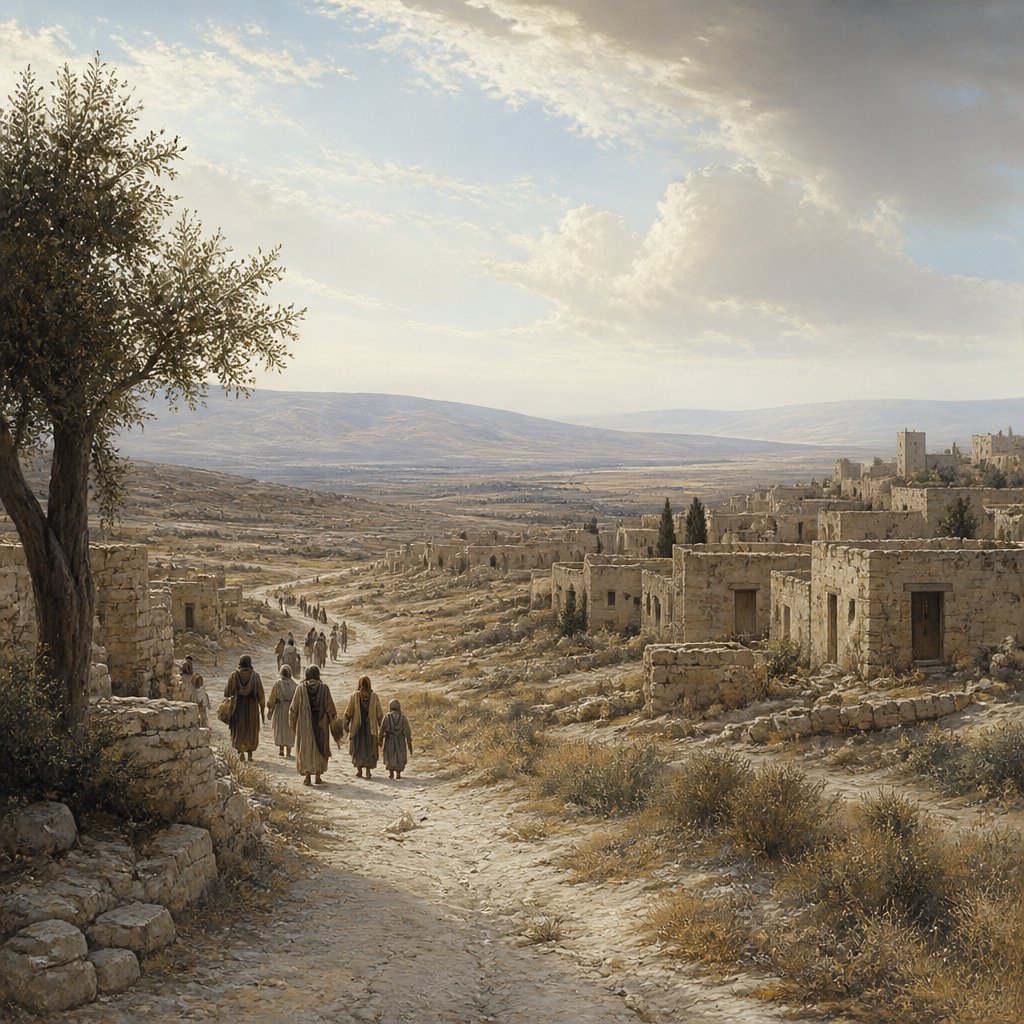
In Isaiah 6:12, we read, "And the LORD have removed men far away, and there be a great forsaking in the midst of the land." At first glance, this passage reflects a somber reality of abandonment and loss. The context of Isaiah's prophecy reveals a profound truth about God's dealings with his people—particularly during times of sin, judgment, and discipline. As we dive deeper into this verse, we will explore its implications, the nature of God's heart amid forsakenness, and how this speaks to our spiritual journey today.
The historical backdrop of Isaiah’s prophecy is crucial for understanding its weight. Israel had repeatedly turned from God, indulging in sin and idolatry. As a result, God, in His righteous judgment, allowed a separation from His presence. The imagery of "the LORD have removed men far away" speaks of both a physical and spiritual distancing from God. When His people choose disobedience, they find themselves in an estranged relationship, experiencing the realities of forsakenness.
In our contemporary lives, we may not face the same context as the Israelites; however, we encounter moments of spiritual desolation and feeling distanced from God. This verse serves as a sobering reminder that abandonment is often a consequence of our choices, not just a divine exercise of power. When we stray from God's ways, we can echo this sense of great forsaking in our hearts.
Nevertheless, desolation does not signal the end of God’s involvement with His people. Rather, it often opens a space for reflection and repentance, steering us back to our true Source of sustenance. Just as the Israelites faced the ramifications of their actions, they were also given hope through the messages of the prophets. God is always working behind the scenes, desiring to draw His people back to Himself even in their darkest hours.
To further explore this, we can look at the nature of grief and loss. It might be easy to interpret being 'removed' as a forsaking that leaves us abandoned, yet we must recognize that God’s ultimate goal is restoration and reconciliation. There is a tension within this verse that forces us to confront both the sovereignty of God and the deep love He holds for us. God does not remove His presence without a purpose; He prunes and refines us to prepare us for a greater communion with Him.
Our response to this unsettling truth is vital. We find that God's absence can create a profound hunger for His presence. Instead of allowing this space to become a source of despair, we can leverage it as a springboard for seeking Him wholeheartedly. As we flashback to Isaiah's vision in the temple (Isaiah 6:1-8), he encounters the holiness and majesty of God, which evokes both terror and cleansing. God desires us to experience that transformative encounter rather than dwell in desolation.
As we reflect on this verse, let us ask ourselves: Are there areas in our lives where we feel a great forsaking? Are we distancing ourselves from God through sin, neglect, or rebellion? If so, then let Isaiah 6:12 become our call to return. In repentance, we may find that God is waiting with open arms; His distance is not dismissive but serves to beckon us toward a deeper longing for Him.
Let this devotional serve as an anchor in times of feeling lost or forsaken. As we dwell on Isaiah 6:12, may we not only acknowledge the reality of separation due to sin but also embrace the hope of restoration that always follows those who seek the Lord. Let us press further into His presence, believing that even in our forsaken moments, God remains faithful, longing to draw us near once again. In every empty space, there’s an invitation to fill it with the fullness of His grace.
Want to reflect more on Isaiah 6:12?
Continue your spiritual journey with Bible Chat — an AI-powered tool for exploring God's Word through conversation. Ask questions, discover connections, and deepen your understanding.
Get Our Apps


Isaiah 6:12 Artwork

Isaiah 6:12 - "And the LORD have removed men far away, and there be a great forsaking in the midst of the land."
"And the LORD have removed men far away, and there be a great forsaking in the midst of the land." - Isaiah 6:12

Isaiah 12:6

Isaiah 12:6

Isaiah 12:6

Isaiah 12:2-6

Isaiah 12:2-6

Isaiah 12:2-6

Isaiah 12:2-6

Isaiah 12:2-6

Isaiah 12:2-6

Isaiah 12:6 - "Cry out and shout, thou inhabitant of Zion: for great is the Holy One of Israel in the midst of thee."

isaiah 6:6
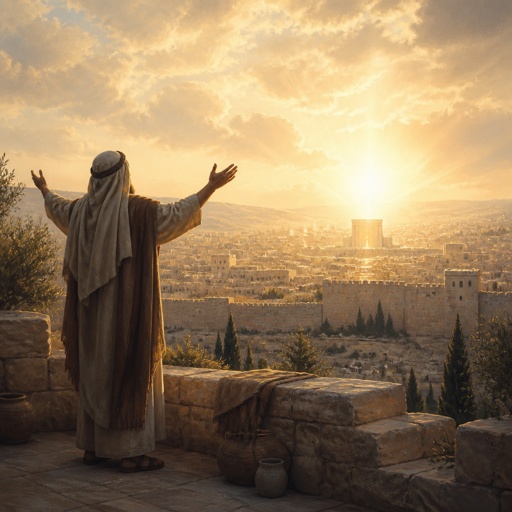
"Cry out and shout, thou inhabitant of Zion: for great is the Holy One of Israel in the midst of thee." - Isaiah 12:6

Isaiah 6

Isaiah 6

Isaiah 14:12

Isaiah 12:3
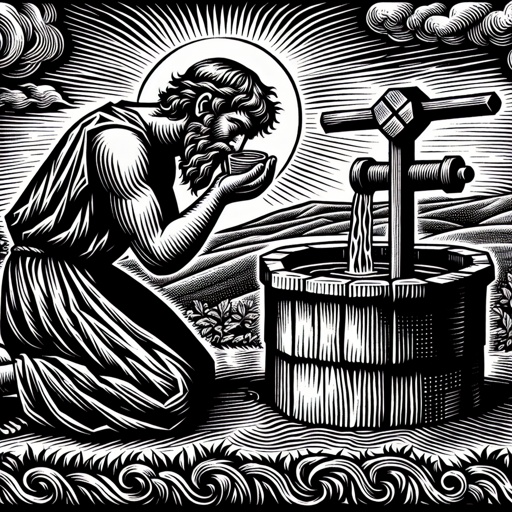
Isaiah 12:3

Isaiah 29:12

Isaiah 12:3

Isaiah 12:3

Isaiah 12:3

Isaiah 12:3

Isaiah 12:3

Isaiah 12:3

Isaiah 28:12

Isaiah 12:2

Isaiah 28:12

Isaiah 12:3