The Judge and the Lawgiver: Recognizing Our Place in Faith
“There is one lawgiver, who is able to save and to destroy: who art thou that judgest another?” — James 4:12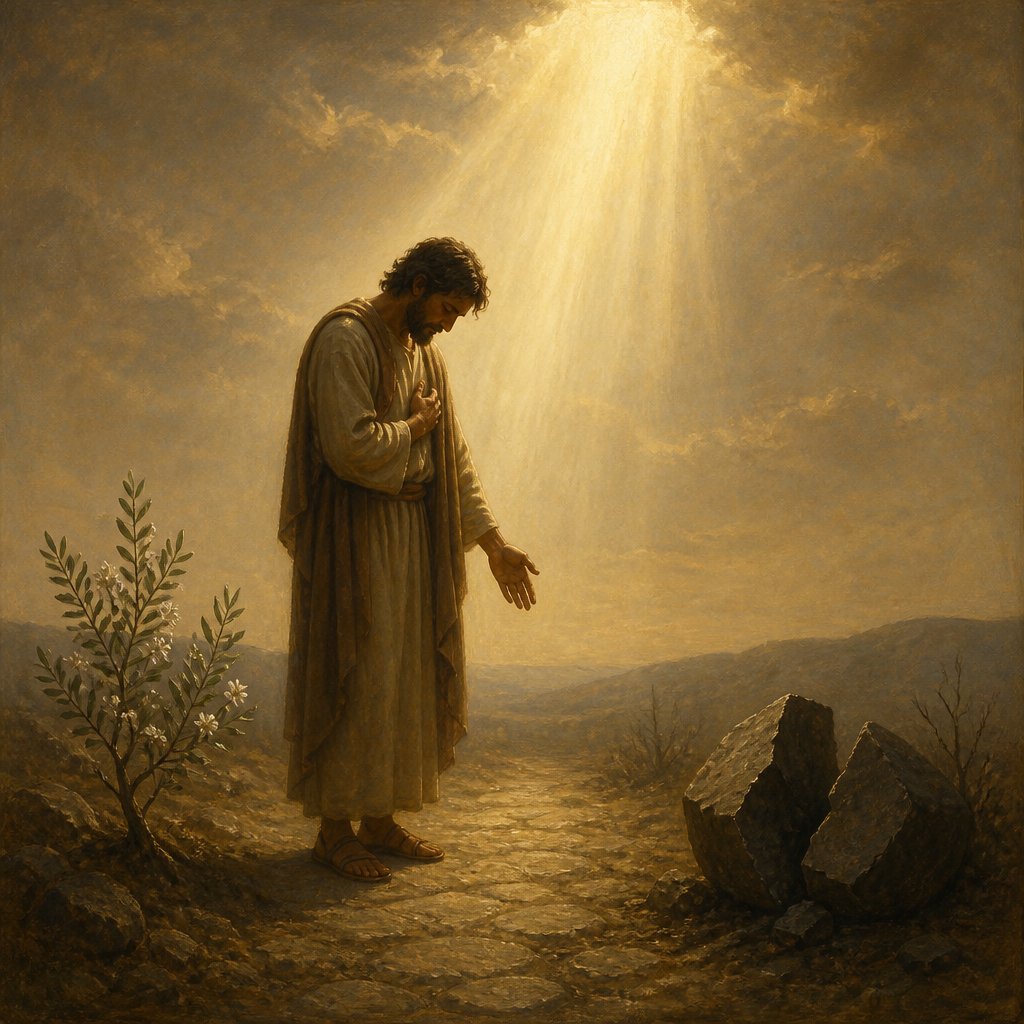
As we navigate our daily lives, the relationships we form, and the judgments we cast upon others, it becomes crucial to hold the words of James 4:12 close to our hearts: "There is one lawgiver, who is able to save and to destroy: who art thou that judgest another?" This verse serves as a powerful reminder of the divine authority of God and our humble position as His followers.
The book of James addresses critical aspects of Christian living, urging believers to live out their faith authentically. In this particular verse, we are reminded of God's sole authority as the lawgiver—indeed, the ultimate arbiter of right and wrong. Contemporary culture often blurs moral boundaries, leading many to assume the role of judge over others. Yet, the scripture challenges us to reconsider our tendency to judge, reminding us that only God has the power to save and to destroy. The weight of this responsibility is beyond our human capability, and the consequences of wielding such power carelessly can be devastating.
To understand the depth of James' message, we must first look at who God is. He is the Creator, the one who intricately designed the universe, endowed with the wisdom and understanding to govern all things perfectly. His divine law emerges from His character—righteous, just, and merciful. Therefore, when we judge others, we often do so without the comprehensive understanding that God possesses. Our judgments are clouded by our limited experiences, biases, and emotions, often failing to recognize the full story of a person's life.
James approaches the rampant judgmental attitude common within the early church and, by extension, our present-day communities. He calls out believers for the hypocrisy of judging others while failing to acknowledge their own shortcomings. Recognizing our human flaws cultivates a spirit of humility, urging us to focus on our own spiritual walk rather than scrutinizing the faults of those around us.
In the Gospel of Matthew, we find a parallel teaching from Jesus Himself: "For with what judgment ye judge, ye shall be judged: and with what measure ye mete, it shall be measured to you again" (Matthew 7:2 KJV). This reinforces the principle that our judgment of others reflects back on ourselves. When we judge harshly, fueled by anger or self-righteousness, we invite the same scrutiny upon our lives. Understanding this principle can free us from the chains of judgment and gossip, leading us instead into a community marked by love, empathy, and grace.
Yet, this passage does not suggest that we should never discern right from wrong. Instead, it calls us to act with the overarching understanding that we are not entitled to condemn. To intertwine grace within our interactions is to embrace the truth that we all fall short of God’s standards. Acknowledging both His authority and our own limitations allows us to approach others with compassion.
When judgmental thoughts arise—perhaps towards a colleague at work, a family member, or even a stranger online—let us pause and reflect on the grace that God has extended to us. The lawgiver who saves us sees our struggles and imperfections yet loves us unconditionally. Because of this divine grace, we are called to react with the same grace towards others. How transformative would our relationships be if we were united by mercy instead of judgment?
In conclusion, let us strive to walk in humility that recognizes the true lawgiver's authority—acknowledging His power to save, and holding in reverence the role He commands over life and judgment. Let us cast off the weight of judgment and instead seek to empower, encourage, and uplift those around us. May we grow in love and understanding, embodying the grace that God has shown us, and reflecting it onto the world.
Amen.
Get our apps


Artwork for James 4:12

James 4:12 - "There is one lawgiver, who is able to save and to destroy: who art thou that judgest another?"

"There is one lawgiver, who is able to save and to destroy: who art thou that judgest another?" - James 4:12

James 4:4

James 4:10

James 4:7

James 4:7

James 4:10

James 4:10

James 4:10

James 4:10

James 4:10

James 4:10

James 4:10

James 4:10

James 4:10

James 4:7

James 4:7

James 4:10

James 4:10

James 4:10

James 4:10

James 4:10

James 4:7

James 4:10

James 4:10

James 4:10

James 4:10

James 4:7

James 4:10

James 4:7