Surrendering Our Plans to God's Will
“For that ye ought to say, If the Lord will, we shall live, and do this, or that.” — James 4:15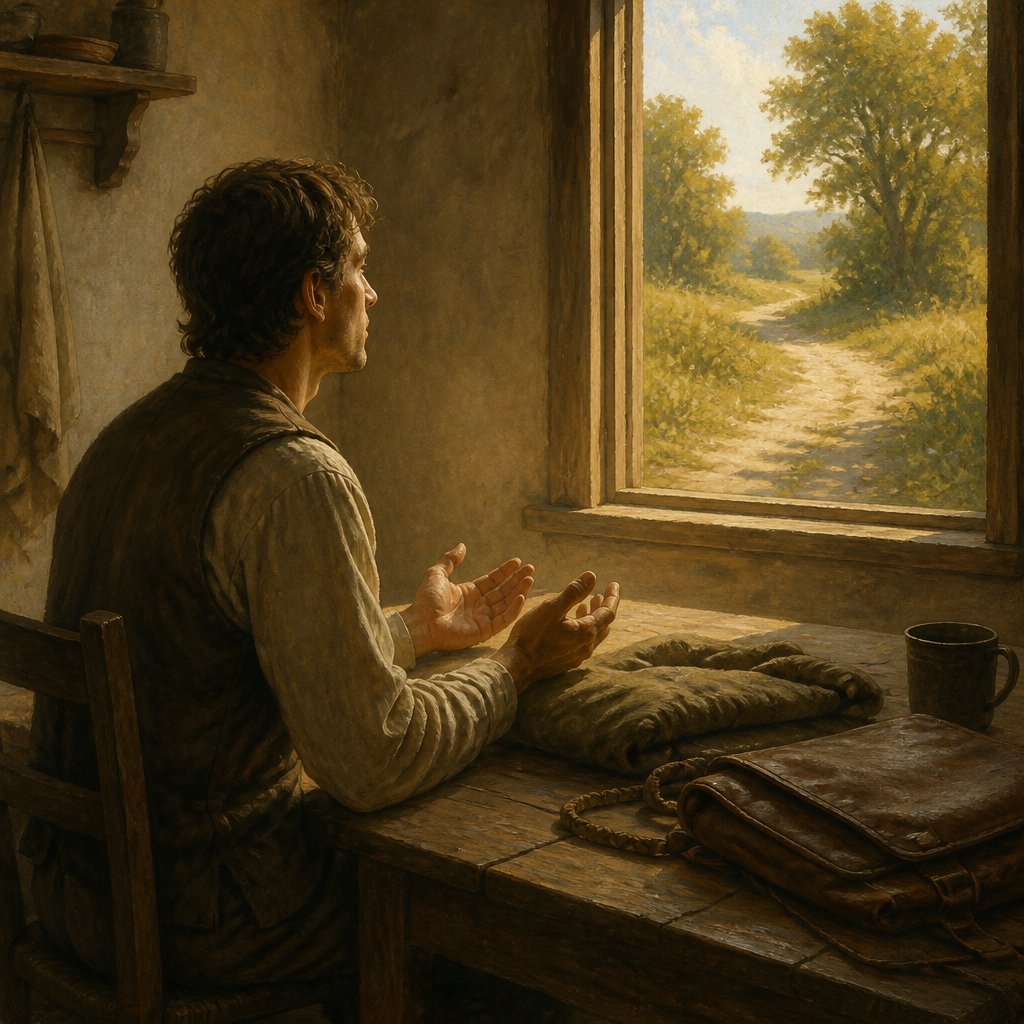
The verse from James 4:15 (KJV) states, "For that ye ought to say, If the Lord will, we shall live, and do this, or that." It serves as a profound reminder of the importance of invoking God’s will in our daily lives and decisions. This verse encapsulates the heart of Christian humility, an invitation to surrender our ambitions, plans, and desires to the sovereignty of God.
In the fast-paced world we inhabit, planning can become second nature. We set goals, create schedules, and pursue dreams with relentless determination. However, while there is nothing inherently wrong with ambition or the desire to achieve, James challenges us to infuse our plans with a fervent recognition of God's authority over our lives. He encourages us to approach our planning with an attitude of submission to God's will. This journey of life isn’t solely about the execution of our plans, but about aligning with God's ultimate purpose for us.
By saying, "If the Lord will," we acknowledge that our very life is contingent upon His grace. It is a stark reminder that life itself is brief and unpredictable. The days ahead are uncertain, and the future is hidden from our sight. This acknowledgment should give us pause; it should inspire us to consider our reliance on God. The statement is a declaration that we are participants in God’s will rather than the authors of our own fate.
In practical terms, invoking God’s will transforms the way we make decisions. It urges us to seek divine guidance before we embark on our schemes or ambitions. Instead of rushing headlong into projects that may pull us away from God's purpose, we find ourselves in a position of prayer and reflection. This brings a profound peace as we trust God’s wisdom over our understanding. When we surrender our plans, we open ourselves up to the floodgates of divine possibilities. God, in His omniscience, knows far better than we do what outcomes will glorify Him most and benefit us in the long run.
Moreover, this verse invites us into a relationship with God that is conversational and respectful. When we include Him in our plans by saying, "If the Lord wills," we engage in a dialogue, allowing our desires to be shaped by His thoughts and priorities. Not only do we submit our plans, but we also continue to seek His heart, cultivating an attitude of reliance and trust.
A poignant Biblical example is found in the life of the Apostle Paul. After his encounter on the road to Damascus, he devoted his life to spreading the Gospel, traveling extensively to share the message of Christ. In Acts 18:21, he expresses his desire to return to Jerusalem saying, "I must by all means keep this feast that cometh in Jerusalem: but I will return again unto you, if God will." Paul demonstrates this very principle of submitting his intentions to God’s will and timing. His surrender allowed him to be guided by the Holy Spirit rather than his own ambition.
Lastly, this call to humility and submission to God has implications on our attitudes. It fosters a spirit of gratitude and contentment. If our plans do not come to fruition, instead of disappointment, we embrace God's sovereignty with the understanding that His plans are infinitely better than ours. We learn to trust that even in times of waiting or reshaping, His purpose is at work in us, whether we can see it or not.
As we meditate on James 4:15, let us cultivate an attitude that continuously seeks to align our hearts and desires with God’s will. May our plans and aspirations be held lightly in our hands, fully aware that surrendering them to God is the highest form of trust. Let us step forward boldly, saying with conviction, "If the Lord will, we shall live and do this, or that." Therefore, we find joy, peace, and clarity in our journey as we walk with our Lord, fully submitted to His wondrous plan.
Get our apps


Artwork for James 4:15

James 4:15 - "For that ye ought to say, If the Lord will, we shall live, and do this, or that."
"For that ye ought to say, If the Lord will, we shall live, and do this, or that." - James 4:15

Ephesians 4:1-5

James 4:4

James 4:10

James 4:10

James 4:10

James 4:10

James 4:7

James 4:7

James 4:10

James 4:10

James 4:10

James 4:10

James 4:10

James 4:10

James 4:10

James 4:7

James 4:10

James 4:10

James 4:7

James 4:10

James 4:10

James 4:7

James 4:10

James 4:10

James 4:7

James 4:7

James 4:10

James 4:7