A Call to Righteousness: The Perils of Wealth and the Pursuit of Justice
“Go to now, ye rich men, weep and howl for your miseries that shall come upon you. Your riches are corrupted, and your garments are motheaten. Your gold and silver is cankered; and the rust of them shall be a witness against you, and shall eat your flesh as it were fire. Ye have heaped treasure together for the last days. Behold, the hire of the labourers who have reaped down your fields, which is of you kept back by fraud, crieth: and the cries of them which have reaped are entered into the ears of the Lord of sabaoth. Ye have lived in pleasure on the earth, and been wanton; ye have nourished your hearts, as in a day of slaughter. Ye have condemned and killed the just; and he doth not resist you.” — James 5:1-6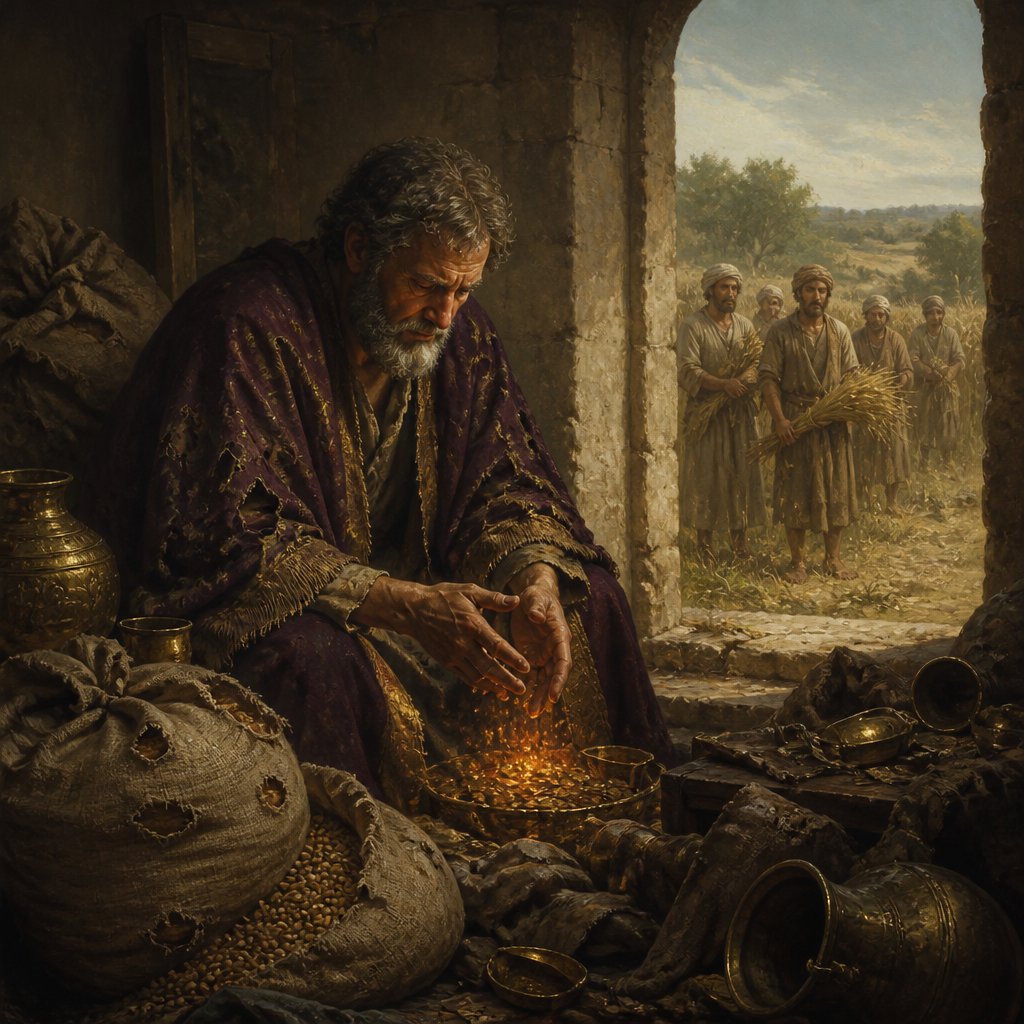
In the words of James 5:1-6 (KJV), we encounter a sobering reminder of the spiritual and moral implications of wealth accumulation that is disconnected from ethics and justice. "Go to now, ye rich men, weep and howl for your miseries that shall come upon you." This pronouncement serves as a clarion call to the wealthy to recognize the weighty consequences of their actions, echoing the themes of justice and accountability prevalent throughout Scripture.
As we dissect this passage, the imagery used by James evokes a powerful sense of urgency. Riches are depicted as not merely material possessions but as potential sources of decay and corruption: "Your riches are corrupted, and your garments are motheaten. Your gold and silver is cankered; and the rust of them shall be a witness against you, and shall eat your flesh as it were fire." Here, wealth is likened to rotting fruit, suggesting that undue attachment to material possessions can lead to a spiritual malaise. Rather than serving as a source of blessing, unchecked riches can become burdensome liabilities, consuming the very essence of those who hoard them.
James emphasizes the transient nature of earthly wealth, urging the rich to reconsider their priorities. In verse 3, he states, "Ye have heaped treasure together for the last days." This admonition forces us to confront the question: what use is wealth when we approach the finality of life? Are we stockpiling treasures that simply rust away or do we invest in the Kingdom values that endure?
A crucial aspect of this passage is the mention of laborers: "Behold, the hire of the labourers who have reaped down your fields, which is of you kept back by fraud, crieth." This serves as a poignant reminder that wealth often comes at the expense of others, particularly the vulnerable. James highlights the blood cries of the oppressed who have been wronged. Imagine the cries of those workers whose labor sustains the wealthy, yet are denied their rightful wages. Their pain does not go unnoticed; James assures us that "the cries of them which have reaped are entered into the ears of the Lord of sabaoth." The Lord hears their cries, and He is deeply concerned with the justice of His creation.
Reflecting on these words, it is vital for each of us—regardless of our wealth status—to examine our hearts. Do we prioritize our comfort and pleasure? James declares in verse 5, "Ye have lived in pleasure on the earth, and been wanton; ye have nourished your hearts, as in a day of slaughter." The indulgent lifestyle described here portrays a dangerous disconnection from the fate of the less fortunate. When we immerse ourselves in a life of ease while ignoring the needs of others, we are not only missing the mark but also paving a way for ruin.
The final indictment of James, "Ye have condemned and killed the just; and he doth not resist you," is perhaps one of the most chilling. Such a statement reveals the profound darkness that can ensue from economic injustice. When wealth is wielded without accountability or compassion, it can lead to moral ruin that even results in oppression and exploitation. The just—the innocent—suffer in silence as the powerful continue their unyielding pursuit of worldly gain.
As we meditate on this challenging scripture, let us not only recognize the risks of wealth but also respond with repentance. It is essential to seek justice, demonstrate compassion, and educate ourselves on the plight of others. Rather than hoarding resources, let our hearts become channels of blessing that reflect God's love for all humanity.
In conclusion, James 5:1-6 implores us to evaluate our relationship with wealth and our responsibility towards others. May we heed this warning, allowing it to transform our attitudes and actions. Wealth, rather than being a source of pride, should become a tool for upliftment and justice in the eyes of God.
Get our apps


Artwork for James 5:1-6

James 5:1-6 - "Now listen, you rich people, weep and wail because of the misery that is coming on you. Your wealth has rotted, and moths have eaten your clothes. Your gold and silver are corroded. Their corrosion will testify against you and eat your flesh like fire. You have hoarded wealth in the last days. Look! The wages you failed to pay the workers who mowed your fields are crying out against you. The cries of the harvesters have reached the ears of the Lord Almighty. You have lived on earth in luxury and self-indulgence. You have fattened yourselves in the day of slaughter. You have condemned and murdered the innocent one, who was not opposing you."
"Now listen, you rich people, weep and wail because of the misery that is coming on you. Your wealth has rotted, and moths have eaten your clothes. Your gold and silver are corroded. Their corrosion will testify against you and eat your flesh like fire. You have hoarded wealth in the last days. Look! The wages you failed to pay the workers who mowed your fields are crying out against you. The cries of the harvesters have reached the ears of the Lord Almighty. You have lived on earth in luxury and self-indulgence. You have fattened yourselves in the day of slaughter. You have condemned and murdered the innocent one, who was not opposing you." - James 5:1-6

James 5:6 - "Ye have condemned and killed the just; and he doth not resist you."

James 1:5-20

James 5:1 - "Go to now, ye rich men, weep and howl for your miseries that shall come upon you."

James 1:5-6 - "If any of you lacks wisdom, you should ask God, who gives generously to all without finding fault, and it will be given to you. But when you ask, you must believe and not doubt, because the one who doubts is like a wave of the sea, blown and tossed by the wind."

"Ye have condemned and killed the just; and he doth not resist you." - James 5:6

James 1:6 - "But let him ask in faith, nothing wavering. For he that wavereth is like a wave of the sea driven with the wind and tossed."

Mark 5:37 - "And he suffered no man to follow him, save Peter, and James, and John the brother of James."

James 1:5 - "If any of you lack wisdom, let him ask of God, that giveth to all men liberally, and upbraideth not; and it shall be given him."

James 5:16

James 5:16

James 5:16

James 5:16
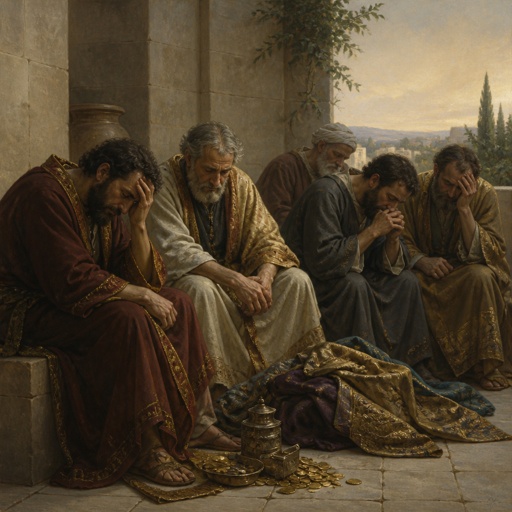
"Go to now, ye rich men, weep and howl for your miseries that shall come upon you." - James 5:1
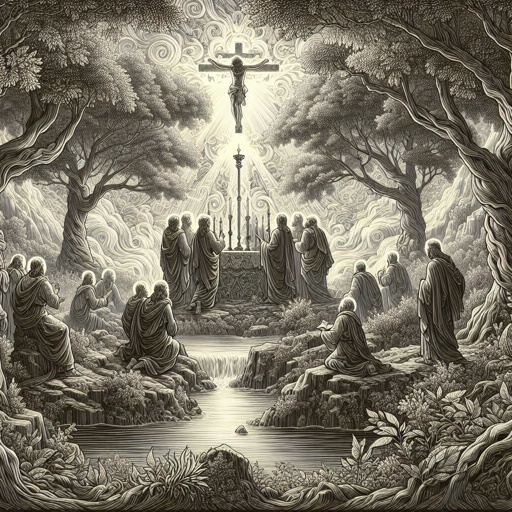
James 21:5-120

James 5:14-15

"But let him ask in faith, nothing wavering. For he that wavereth is like a wave of the sea driven with the wind and tossed." - James 1:6

Isaiah 6:1-5

Isaiah 6:1-5

Isaiah 6:1-5

Isaiah 6:1-5

James 1:1 - "James, a servant of God and of the Lord Jesus Christ, to the twelve tribes which are scattered abroad, greeting."

James 5:7 – "Be patient, then, brothers and sisters, until the Lord’s coming."

James 5:7 – "Be patient, then, brothers and sisters, until the Lord’s coming."

James 5:2 - "Your riches are corrupted, and your garments are motheaten."

James 5:5 - "Ye have lived in pleasure on the earth, and been wanton; ye have nourished your hearts, as in a day of slaughter."

James

Luke 6:15 - "Matthew and Thomas, James the son of Alphaeus, and Simon called Zelotes,"

Luke 6:16 - "And Judas the brother of James, and Judas Iscariot, which also was the traitor."