The Seeds of Consequence: Turning Back to God
"For the LORD of hosts, that planted thee, hath pronounced evil against thee, for the evil of the house of Israel and of the house of Judah, which they have done against themselves to provoke me to anger in offering incense unto Baal." - Jeremiah 11:17
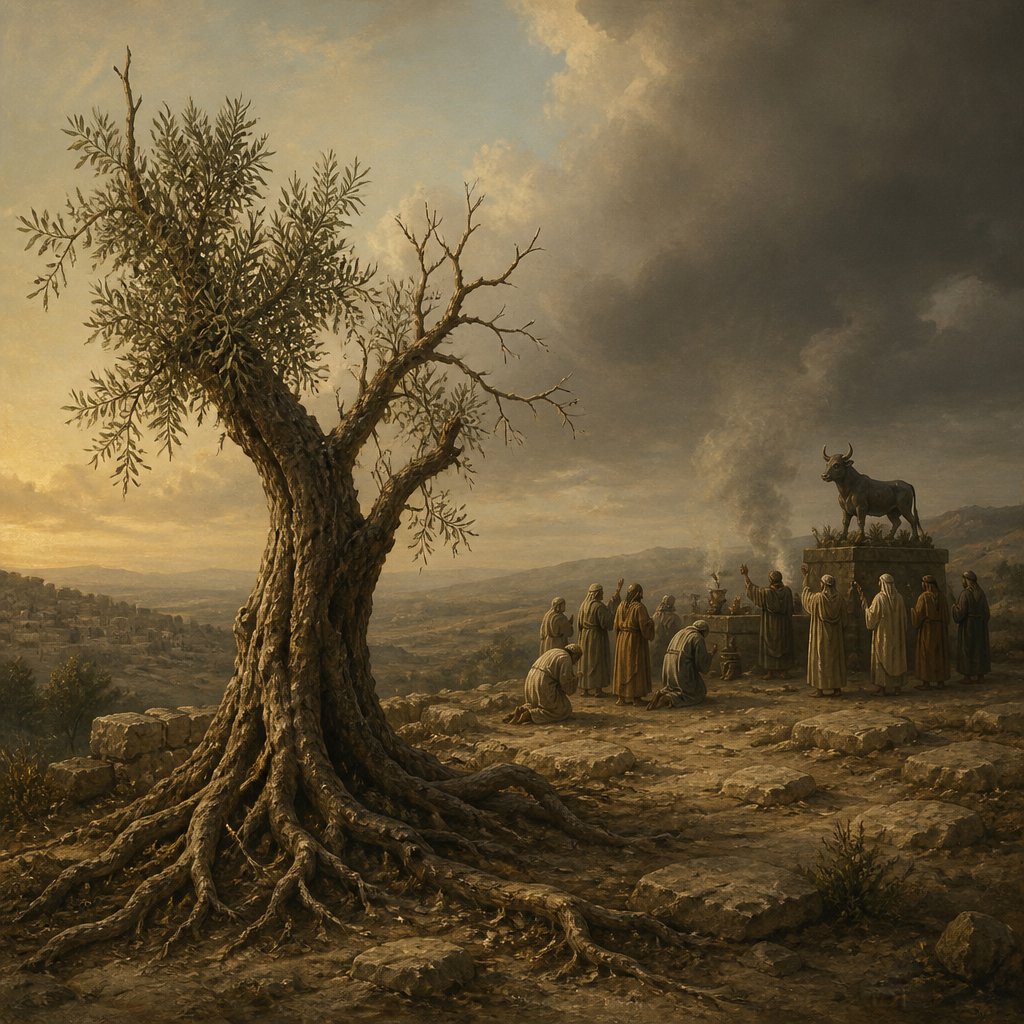
The verse Jeremiah 11:17 (KJV) states, "For the LORD of hosts, that planted thee, hath pronounced evil against thee, for the evil of the house of Israel and of the house of Judah, which they have done against themselves to provoke me to anger in offering incense unto Baal."
As we delve into this profound scripture, we are invited to reflect on God's relationship with His people, Israel and Judah. The imagery of God as a gardener, "the LORD of hosts, that planted thee," evokes a sense of intimacy and care in His creation. He nurtured and cultivated Israel, establishing them as a nation dedicated to Him. However, this divine nurturing is met with tragic disobedience: the Israelites turned their hearts away from God, tempted by the allure of Baal worship.
In this verse, we find a critical warning about disobedience and the consequences that follow. The evils pronounced against Israel and Judah were not merely arbitrary judgments but the natural result of their own actions. They provoked God to anger—not through a lack of understanding but through a conscious decision to offer incense to a foreign deity, Baal, which led them to forsake their covenant relationship with the One who had faithfully guided them.
This disobedience speaks volumes about human nature and the tendency to stray. How often do we, too, grapple with the internal battle of faithfulness versus temptation? Just as Israel was seduced by the gods of the land, we often find ourselves distracted by the allure of modern-day idols: success, materialism, and recognition, which can lead us away from our dedication to God. This verse challenges us to examine our own lives and identify the Baals that vie for our attention, offering us a moment to refocus on the gardener who wishes to cultivate growth in our hearts.
Importantly, we need to understand that God's pronouncement of 'evil' against His people does not suggest that He desires harm or destruction for His creation. Rather, it reflects His deep anguish over their choices and the inevitable consequences that arise from their actions. In His justice, God holds us accountable, but it is rooted in His love and desire for us to return to Him. He longs for us to choose life, to turn back from the paths that lead us to destruction.
In moments when we feel distant from God, let us recall that He has not forsaken us; rather, it is we who have strayed. Just as a loving parent grieves when a child makes destructive choices, God grieves for His people. He desires to bring us back into His embrace, to restore the relationship that gives our lives meaning and purpose.
If we find ourselves in a similar position as Israel and Judah today, it’s crucial to respond with humility and repentance. The Lord calls us to acknowledge our wrongdoing rather than hiding it in shame. He wants us to recognize our need for Him and the importance of returning to true worship that honors Him above all else.
As we meditate on Jeremiah 11:17, let it inspire us to cultivate a heart of repentance and renewal. Allow the seed of God's word to sprout within us, pushing out the weeds of disobedience and distraction. Let us remember the promise in James 4:8: "Draw nigh to God, and He will draw nigh to you." This assurance provides hope—the darkness that comes from rebellion can be lifted when we choose to turn back to the light of His love.
In conclusion, let us come before the Lord, acknowledging the ways we have perhaps provoked Him to anger through our actions. Let us seek His forgiveness and commit to a path of righteousness that honors our true Gardener. By doing so, we join the ranks of those who understand the power of repentance and the joy of returning to a loving, just, and merciful God.
Want to reflect more on Jeremiah 11:17?
Continue your spiritual journey with Bible Chat — an AI-powered tool for exploring God's Word through conversation. Ask questions, discover connections, and deepen your understanding.
Get Our Apps


Jeremiah 11:17 Artwork
Jeremiah 11:17 - "For the LORD of hosts, that planted thee, hath pronounced evil against thee, for the evil of the house of Israel and of the house of Judah, which they have done against themselves to provoke me to anger in offering incense unto Baal."
"For the LORD of hosts, that planted thee, hath pronounced evil against thee, for the evil of the house of Israel and of the house of Judah, which they have done against themselves to provoke me to anger in offering incense unto Baal." - Jeremiah 11:17

Jeremiah 17:11 - "As the partridge sitteth on eggs, and hatcheth them not; so he that getteth riches, and not by right, shall leave them in the midst of his days, and at his end shall be a fool."

Jeremiah 17:17 - "Be not a terror unto me: thou art my hope in the day of evil."

Jeremiah 11:1 - "The word that came to Jeremiah from the LORD, saying,"

Jeremiah 29:11-13

Jeremiah 29:11-13

Jeremiah 17:7-8

Jeremiah 29:11-13

Jeremiah 29:11-13

Jeremiah 17:7-8

Jeremiah 17:7-8

Jeremiah 17:7-8

Jeremiah 29:11

Jeremiah 29:11

Jeremiah 29:11

Jeremiah 29:11

Revelation 1:7

Ephesians 1:7

Ephesians 1:7

Jeremiah 39:11 - "¶ Now Nebuchadrezzar king of Babylon gave charge concerning Jeremiah to Nebuzar-adan the captain of the guard, saying,"

Revelation 1:7

Jeremiah 33:2-11

Jeremiah 33:2-11

Numbers 11:17

Exodus 17:11

"The word that came to Jeremiah from the LORD, saying," - Jeremiah 11:1

Jeremiah 28:17 - "So Hananiah the prophet died the same year in the seventh month."

Jeremiah 7:17 - "¶ Seest thou not what they do in the cities of Judah and in the streets of Jerusalem?"

Jeremiah 17:12 - "¶ A glorious high throne from the beginning is the place of our sanctuary."