The Cry of the Land: Responding to Wickedness
"How long shall the land mourn, and the herbs of every field wither, for the wickedness of them that dwell therein? the beasts are consumed, and the birds; because they said, He shall not see our last end." - Jeremiah 12:4
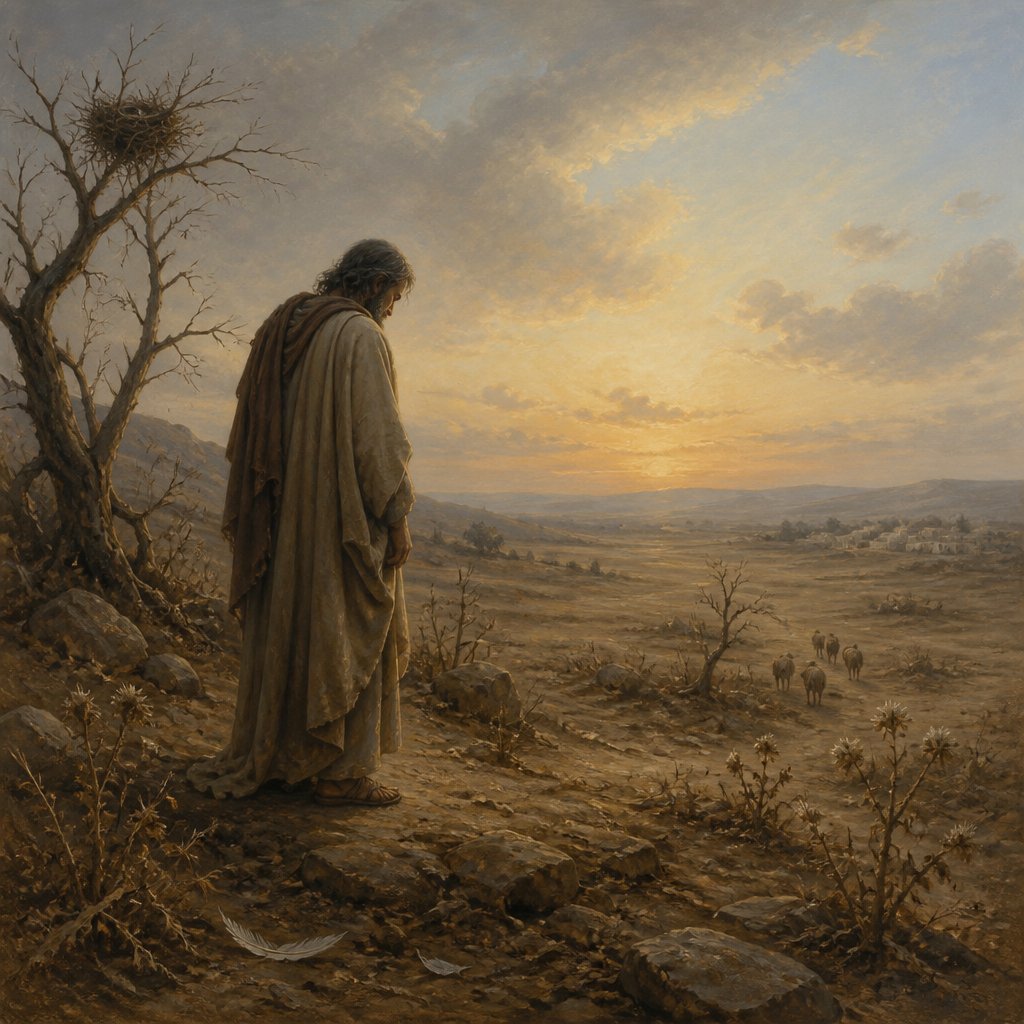
As we delve into the heart of Jeremiah 12:4, we find ourselves confronted with a poignant question that has echoed through the corridors of time: "How long shall the land mourn, and the herbs of every field wither, for the wickedness of them that dwell therein?" This verse captures not only the physical desolation of the land due to sin but also the spiritual lament of a Creator whose creation is crying out for restoration. As we reflect upon this, we must recognize the deep interconnectedness of creation and the moral state of humanity.
The context of Jeremiah’s lament comes from a time of profound distress for the people of Israel, as they faced the consequences of their actions. God, through Jeremiah, poses a solemn inquiry about the suffering of the land, the withering of its herbs, and the fate of the creatures that inhabit it. This serves as a vivid reminder that all of creation bears the weight of human sin. The land groans and mourns, illustrating that our disobedience does not merely impact us; it reverberates through the environment around us.
God’s creation was once pronounced as "very good" (Genesis 1:31), yet our actions have ushered in decay and destruction. The crying out of the land in Jeremiah reflects an essential biblical truth: when humanity strays from divine commandments, the repercussions extend far beyond personal or societal suffering; they impact the very ecosystem that God entrusted to our care.
When the verse mentions that "the beasts are consumed, and the birds," it emphasizes that no part of God's creation is untouched by our unrighteousness. The lamentation of the land and its creatures parallels our own spiritual desolation when we choose to reject God’s ways. This connection draws us to a deeper understanding of stewardship. God has called us not only to tend the earth but to do so in a way that honors Him. The degradation caused by sin leads to a stark reminder of the urgency of our role as caretakers.
Moreover, the verse referenced speaks of the attitude of the people: "because they said, He shall not see our last end." This declaration reveals a profound sense of denial and rebellion. The residents of Judah believed they could act with impunity, assuming their actions would go unnoticed by God. However, the truth is that God is ever-present and sees all that transpires within His creation. This arrogance not only leads to moral decay but blinds them to the consequences of their sin.
So how do we respond to the lament of the land today? First, we acknowledge our shortcomings and repent of our wrongdoings. Like the people in Jeremiah’s time, we must recognize that our actions have dire consequences—not just for ourselves, but for the world around us. Second, we can become advocates for justice in the face of wickedness. Just as Jeremiah called out for accountability, so too must we become voices for the voiceless, ensuring that our choices reflect the love and righteousness of God.
Furthermore, we are called to restore and renew God’s creation through our daily actions. As stewards, our responsibility is not limited to societal justice but also encompasses environmental mindfulness. Whether it’s caring for our communities, safeguarding natural resources, or nurturing the relationships around us, every action can have a ripple effect. We are invited to participate in God’s redemptive plan for all creation.
Let us then, as followers of Christ, be mindful of our role in a world that often mirrors the mourning that Jeremiah describes. We are called to shine as lights in darkness (Matthew 5:14-16), to be agents of healing and hope in a world reeling under the weight of sinful decay. The mourning of the land urges us to rise up and reflect God’s glory in a broken world, bringing forth restoration and renewal, reminding ourselves always that He who created all things is still in control.
Want to reflect more on Jeremiah 12:4?
Continue your spiritual journey with Bible Chat — an AI-powered tool for exploring God's Word through conversation. Ask questions, discover connections, and deepen your understanding.
Get Our Apps


Jeremiah 12:4 Artwork

Jeremiah 12:4 - "How long shall the land mourn, and the herbs of every field wither, for the wickedness of them that dwell therein? the beasts are consumed, and the birds; because they said, He shall not see our last end."
"How long shall the land mourn, and the herbs of every field wither, for the wickedness of them that dwell therein? the beasts are consumed, and the birds; because they said, He shall not see our last end." - Jeremiah 12:4

1 Chronicles 12:4 - "And Ismaiah the Gibeonite, a mighty man among the thirty, and over the thirty; and Jeremiah, and Jahaziel, and Johanan, and Josabad the Gederathite,"

Jeremiah 4:12 - "Even a full wind from those places shall come unto me: now also will I give sentence against them."

Jeremiah 35:12 - "¶ Then came the word of the LORD unto Jeremiah, saying,"

Jeremiah 34:12 - "¶ Therefore the word of the LORD came to Jeremiah from the LORD, saying,"

Jeremiah 28:12 - "Then the word of the LORD came unto Jeremiah the prophet, after that Hananiah the prophet had broken the yoke from off the neck of the prophet Jeremiah, saying,"

Nehemiah 12:12 - "And in the days of Joiakim were priests, the chief of the fathers: of Seraiah, Meraiah; of Jeremiah, Hananiah;"
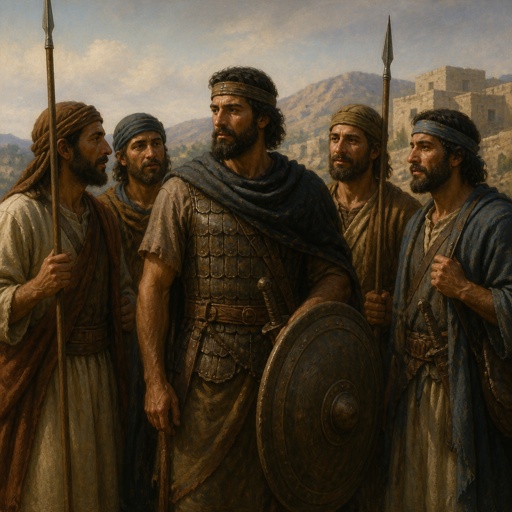
"And Ismaiah the Gibeonite, a mighty man among the thirty, and over the thirty; and Jeremiah, and Jahaziel, and Johanan, and Josabad the Gederathite," - 1 Chronicles 12:4

Jeremiah 37:12 - "Then Jeremiah went forth out of Jerusalem to go into the land of Benjamin, to separate himself thence in the midst of the people."

Jeremiah 38:12 - "And Ebed-melech the Ethiopian said unto Jeremiah, Put now these old cast clouts and rotten rags under thine armholes under the cords. And Jeremiah did so."

Nehemiah 12:34 - "Judah, and Benjamin, and Shemaiah, and Jeremiah,"

"¶ Then came the word of the LORD unto Jeremiah, saying," - Jeremiah 35:12

Jeremiah 20:4

Jeremiah 37:4 - "Now Jeremiah came in and went out among the people: for they had not put him into prison."

1 Chronicles 12:10 - "Mishmannah the fourth, Jeremiah the fifth,"

1 Chronicles 12:13 - "Jeremiah the tenth, Machbanai the eleventh."

Jeremiah 15:12 - "Shall iron break the northern iron and the steel?"

Jeremiah 29: 4-14

Jeremiah 29: 4-14

Jeremiah 29: 4-14

Jeremiah 29: 4-14

Jeremiah 29: 4-14

Jeremiah 36:4 - "Then Jeremiah called Baruch the son of Neriah: and Baruch wrote from the mouth of Jeremiah all the words of the LORD, which he had spoken unto him, upon a roll of a book."
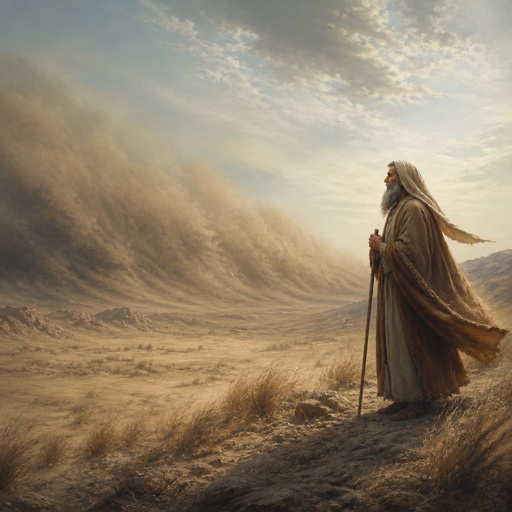
"Even a full wind from those places shall come unto me: now also will I give sentence against them." - Jeremiah 4:12

"¶ Therefore the word of the LORD came to Jeremiah from the LORD, saying," - Jeremiah 34:12

Jeremiah 17:12 - "¶ A glorious high throne from the beginning is the place of our sanctuary."

Jeremiah 26:12 - "¶ Then spake Jeremiah unto all the princes and to all the people, saying, The LORD sent me to prophesy against this house and against this city all the words that ye have heard."

Jeremiah 30:12 - "For thus saith the LORD, Thy bruise is incurable, and thy wound is grievous."

Jeremiah 12:17 - "But if they will not obey, I will utterly pluck up and destroy that nation, saith the LORD."