The Corruption of the Sacred: A Call to Righteousness
“For both prophet and priest are profane; yea, in my house have I found their wickedness, saith the LORD.” — Jeremiah 23:11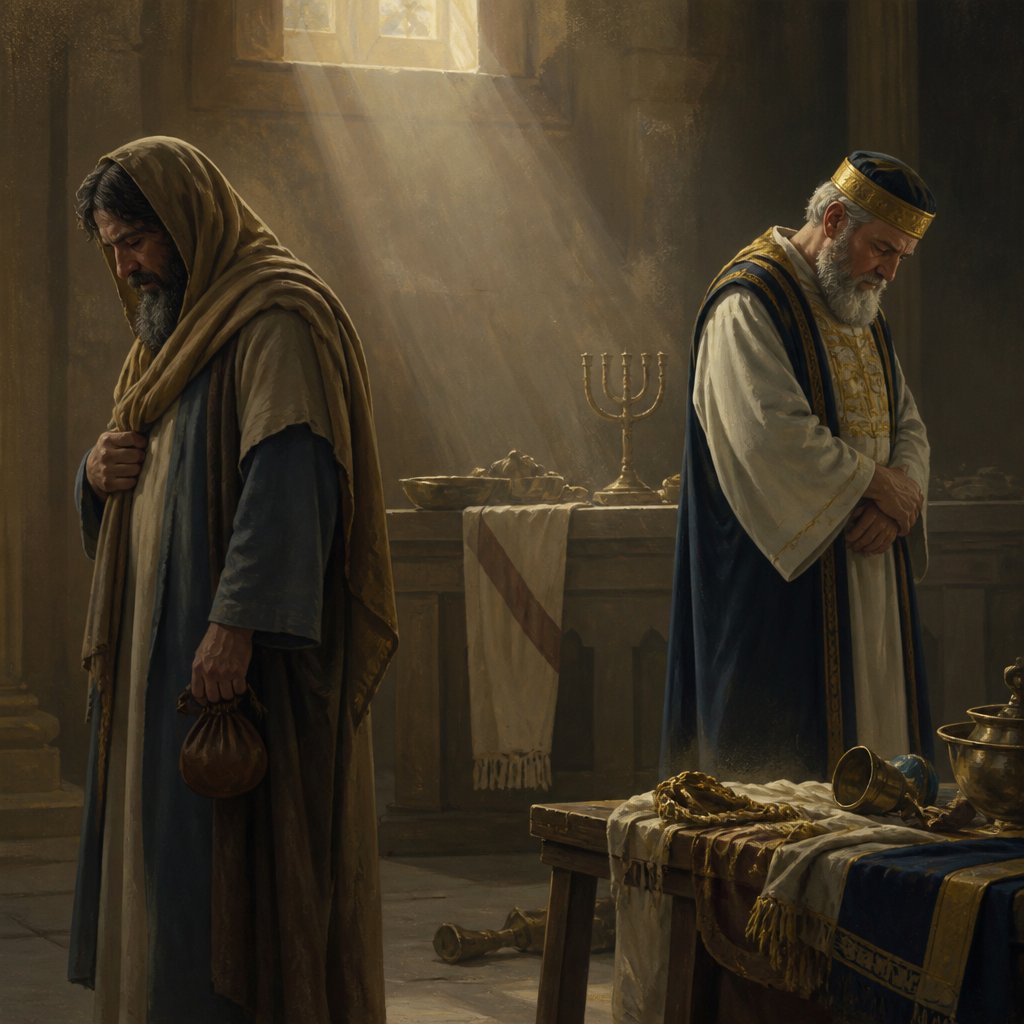
In the landscape of prophetic scripture, Jeremiah stands as a voice of lamentation during a tumultuous era in Israel's history. The words of Jeremiah 23:11 resonate with urgency and foreboding: "For both prophet and priest are profane; yea, in my house have I found their wickedness, saith the LORD." These words bring to light the stark reality that sacred roles had been compromised, leading to dire consequences.
Jeremiah, known as the weeping prophet, was chosen to confront a society steeped in corruption. The leadership of Israel, particularly the prophets and priests, had failed in their divine mandate. They were tasked not merely with religious rituals but with guiding the people towards righteousness. However, they instead engaged in practices that were abominable in the sight of God. This verse highlights a troubling revelation: those who were supposed to uphold the holiness of God's house were, in fact, defiling it. What does this mean for us, who are called to be stewards of God's word and representatives of His character?a
First, we must acknowledge the severity of the charge laid against these leaders. Being called profane means they were set apart for God's service yet acted in unholy ways. This definition extends beyond mere morality into the realm of sacred duty. The prophet and the priest, by virtue of their roles, ought to have been models of virtue and integrity. Yet, Jeremiah exposes their wickedness, reminding us that a title or position does not guarantee faithfulness to the Lord. In our own lives, we must examine whether our actions align with our professed beliefs. Are we leading in a way that honors God?
Secondly, consider the implications of corruption within the church. Throughout history, we see cycles where the church strays from its purpose, becoming a institution of power rather than a community of faith. The consequences of such corruption often spill over into the wider society, causing disillusionment among the faithful and detractors alike. In Jeremiah’s time, the people's trust in their leaders eroded because they was not living out the principles of God’s word. Similarly, our world today is craving authentic witness from those who claim to follow Christ. The cutting commentary in Jeremiah serves as a warning; we must be vigilant in ensuring that our practices reflect God's holiness.
Moreover, God identifies the defilement specifically occurring "in my house." The house of God should be a sanctuary — a place of refuge, holiness, and truth. When leadership fails to uphold these values, it has consequences that ripple through the congregation and beyond. It is vital for us to cultivate an environment within our communities that honors God's presence. We should strive for transparency, accountability, and a commitment to live righteously. In what ways can each of us contribute to a culture of holiness in our families, churches, and workplaces? Are we ready to confront the wickedness that may lurk within our own lives or communities?
Finally, we should remember that the ministry of Jeremiah was not just one of condemnation. He was also a beacon of hope, pointing towards the restoration promised by God. While he called out the sins of the leaders, he also foresaw the coming of a righteous branch, the Messiah, who would ultimately restore what was broken. Jesus embodies that hope for restoration, delivering grace and truth to a world in desperation. In our pursuit of holiness and integrity as believers, we are to reflect the righteousness of Christ. We are not only tasked with calling out wickedness but also with embodying the love of God to those around us.
As we reflect on Jeremiah 23:11, let us commit to personal and communal holiness, ensuring that we honor God in all aspects of our lives. Allow this verse to stir within us a commitment to pursue integrity and accountability, so that the house of God may indeed remain a sacred refuge, free from the profane.
Get our apps


Artwork for Jeremiah 23:11
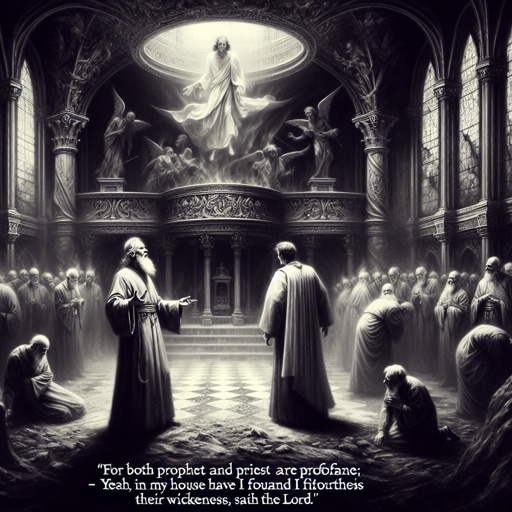
Jeremiah 23:11 - "For both prophet and priest are profane; yea, in my house have I found their wickedness, saith the LORD."
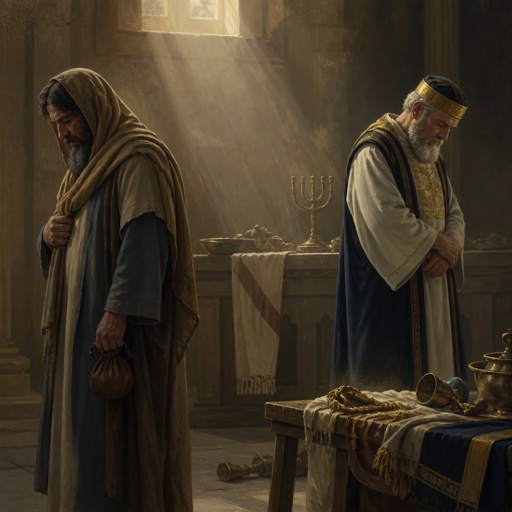
"For both prophet and priest are profane; yea, in my house have I found their wickedness, saith the LORD." - Jeremiah 23:11

Jeremiah 11:23 - "And there shall be no remnant of them: for I will bring evil upon the men of Anathoth, even the year of their visitation."

Jeremiah 11:23 - "And there shall be no remnant of them: for I will bring evil upon the men of Anathoth, even the year of their visitation."

Jeremiah 33:23 - "Moreover the word of the LORD came to Jeremiah, saying,"
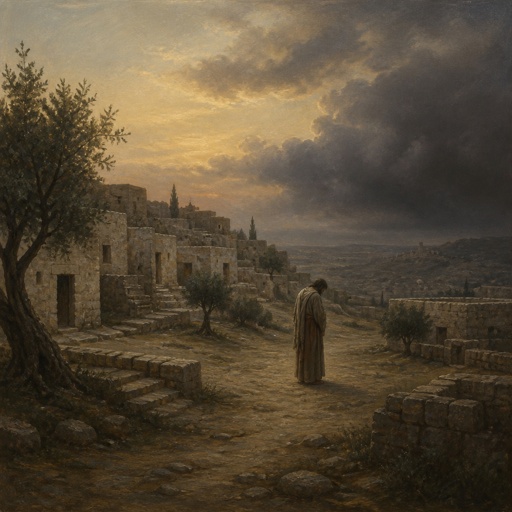
"And there shall be no remnant of them: for I will bring evil upon the men of Anathoth, even the year of their visitation." - Jeremiah 11:23

Jeremiah 23:23 - "Am I a God at hand, saith the LORD, and not a God afar off?"

Jeremiah 13:23

Jeremiah 23:16,17

Jeremiah 23:18

Jeremiah 11:1 - "The word that came to Jeremiah from the LORD, saying,"

"Moreover the word of the LORD came to Jeremiah, saying," - Jeremiah 33:23

Jeremiah 29:11-13

Jeremiah 29:11-13

Jeremiah 29:11-13

Jeremiah 29:11-13

Jeremiah 29:11

Jeremiah 25:23 - "Dedan, and Tema, and Buz, and all that are in the utmost corners,"

Jeremiah 29:11

Jeremiah 29:11

Jeremiah 29:11

Genesis 23:11

luke 11:23

Jeremiah 5:23 - "But this people hath a revolting and a rebellious heart; they are revolted and gone."

luke 11:23

Deuteronomy 11:23

luke 11:23

luke 11:23

Jeremiah 48:23 - "And upon Kiriathaim, and upon Beth-gamul, and upon Beth-meon,"

Jeremiah 39:11 - "¶ Now Nebuchadrezzar king of Babylon gave charge concerning Jeremiah to Nebuzar-adan the captain of the guard, saying,"