Embracing Hope in Exile: Lessons from Jeremiah 29:2
"( After that Jeconiah the king, and the queen, and the eunuchs, the princes of Judah and Jerusalem, and the carpenters, and the smiths, were departed from Jerusalem;)" - Jeremiah 29:2
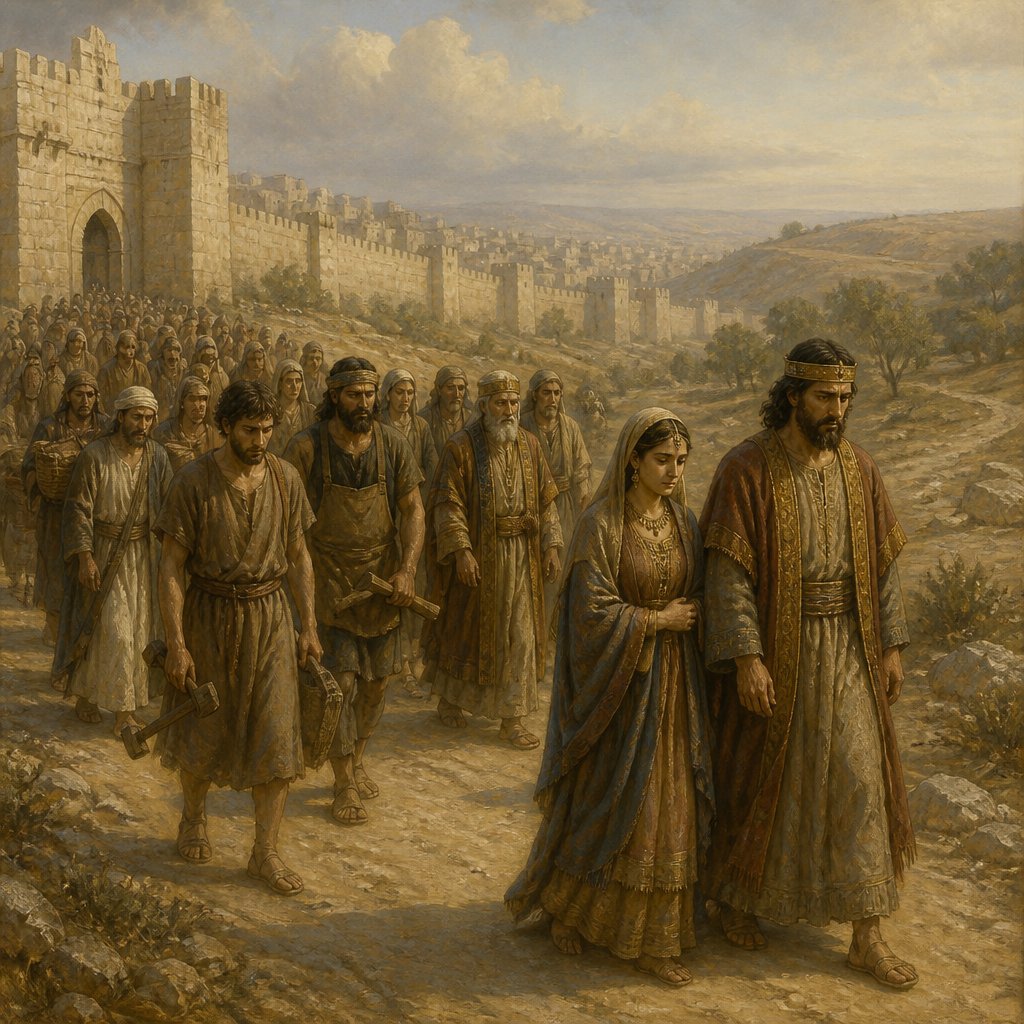
In the landscape of Biblical history, few periods are as profoundly laced with sorrow, longing, and hope as the Babylonian Exile. Within this complicated tapestry of human experiences, we find Jeremiah 29:2, which states in the King James Version (KJV): "After that Jeconiah the king, and the queen, and the eunuchs, the princes of Judah and Jerusalem, and the carpenters, and the smiths, were departed from Jerusalem." This single verse encapsulates a moment of profound loss for a nation and serves as a poignant reminder for those of us who may find ourselves in a strange or difficult place—whether physically, emotionally, or spiritually.
### Contextual Background
To fully appreciate the significance of Jeremiah 29:2, it’s essential to grasp the context. The Babylonian Exile was not merely a historical event; it represented a seismic shift for the people of Judah. The beloved city of Jerusalem, the temple—their focal point of worship—had fallen, and the leaders, artisans, and citizens were taken captive. Among those exiled were not only the elite—like Jeconiah and the princes—but also the everyday workers, a reminder that in trials, all strata of society feel the pain of loss.
This verse marks a departure; it signifies a reality where familiar boundaries have been shattered. Yet, in this moment of departure, we see a challenge to embrace hope amid despair.
### Lessons on Hope and Perseverance
1. **Recognition of Loss**: The acknowledgment of loss is the first step towards healing. Jeremiah, through this message, does not shy away from the reality of what has occurred—the removal of the leadership and skilled workers indicates a disruption that cannot be overlooked. You might feel the weight of your own losses, whether they be personal, relational, or spiritual. Just as Jeremiah’s audience was invited to recognize their pain, we too must not ignore our struggles. Only by recognizing the shadow of our circumstances can we begin to seek the light of hope.
2. **God’s Plans Prevail**: Later in this chapter, God famously states through Jeremiah, "For I know the thoughts that I think toward you, saith the Lord, thoughts of peace, and not of evil, to give you an expected end" (Jeremiah 29:11, KJV). Though the Israelites felt abandoned in exile, God was still at work in their lives. Our seasons of exile, questioning, or wandering do not mean that God’s plans are thwarted. Even in moments when we feel disconnected from our hoped-for future, we must trust that God’s perspective encompasses the beginning and the end of our individual stories.
3. **Calling to Serve**: Despite the emotional currents of loss and sorrow, God’s message to the exiles was one of productivity. God instructed them to build homes, plant gardens, and engage in the welfare of the city to which they had been exiled (Jeremiah 29:5-7). In our own lives, it can be all too easy to fall into fruitless waiting, lamenting over our circumstances. Yet, we are called to actively participate in life—wherever we are planted. In the midst of our challenges, we find purpose by serving those around us, enriching our communities, and nurturing the relationships we still have.
### Seeking God in Exile
Lastly, in moments of shared exile, let us not forget the power of collective worship and community. As the exiles gathered in their new environment, they needed each other’s strength and encouragement. It’s important to connect with others, share our burdens, and uplift one another through prayer and support. Where two or three are gathered, there He is in their midst (Matthew 18:20, KJV).
### Conclusion
Jeremiah 29:2 calls for profound reflection on loss, hope, and divine providence. It invites us to examine how we respond to our own moments of exile. Despite the reality of our circumstances, may we cultivate a heart attuned to God’s plans, engaging purposefully with our surroundings and uplifting those who share in our journey. Because, ultimately, in every season of life, including those defined by struggle and separation, God is working towards a future filled with hope—one that starts right now.
Want to reflect more on Jeremiah 29:2?
Continue your spiritual journey with Bible Chat — an AI-powered tool for exploring God's Word through conversation. Ask questions, discover connections, and deepen your understanding.
Get Our Apps


Jeremiah 29:2 Artwork

Jeremiah 29:2 - "(After that Jeconiah the king, and the queen, and the eunuchs, the princes of Judah and Jerusalem, and the carpenters, and the smiths, were departed from Jerusalem;)"
"(After that Jeconiah the king, and the queen, and the eunuchs, the princes of Judah and Jerusalem, and the carpenters, and the smiths, were departed from Jerusalem;)" - Jeremiah 29:2

Jeremiah 29:29 - "And Zephaniah the priest read this letter in the ears of Jeremiah the prophet."

Jeremiah 2:29 - "Wherefore will ye plead with me? ye all have transgressed against me, saith the LORD."
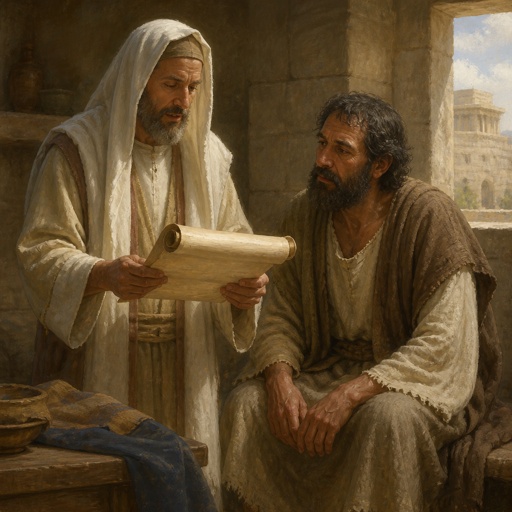
"And Zephaniah the priest read this letter in the ears of Jeremiah the prophet." - Jeremiah 29:29

Jeremiah 29:30 - "¶ Then came the word of the LORD unto Jeremiah, saying,"

Jeremiah 29:11-13

Jeremiah 29:11-13

Jeremiah 29:11-13

Jeremiah 29:11-13

Jeremiah 29:11

Jeremiah 29:11

Jeremiah 29:11

Jeremiah 29:11

Jeremiah 29: 4-14

Jeremiah 29: 4-14

Jeremiah 29: 4-14

Jeremiah 29: 4-14

Jeremiah 29: 4-14

Jeremiah 29:27 - "Now therefore why hast thou not reproved Jeremiah of Anathoth, which maketh himself a prophet to you?"

"¶ Then came the word of the LORD unto Jeremiah, saying," - Jeremiah 29:30

Jeremiah 29:11 sticker elements
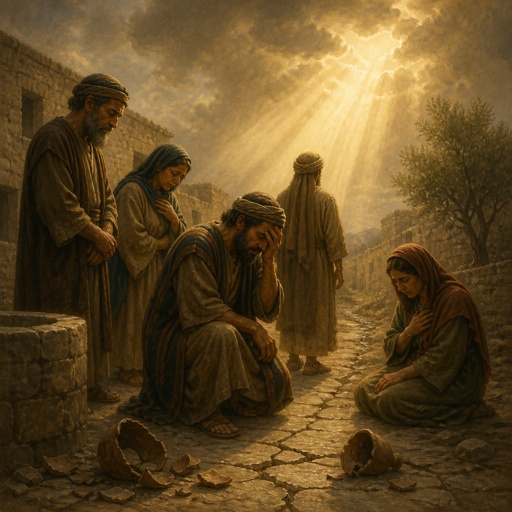
"Wherefore will ye plead with me? ye all have transgressed against me, saith the LORD." - Jeremiah 2:29

Jeremiah 22:29 - "O earth, earth, earth, hear the word of the LORD."

Jeremiah 29:24 - "¶ Thus shalt thou also speak to Shemaiah the Nehelamite, saying,"

Jeremiah 29:5 - "¶ Build ye houses, and dwell in them; and plant gardens, and eat the fruit of them;"

Jeremiah 23:29 - "Is not my word like as a fire? saith the LORD; and like a hammer that breaketh the rock in pieces?"

Jeremiah 5:29 - "Shall I not visit for these things? saith the LORD: shall not my soul be avenged on such a nation as this?"
Jeremiah 29:15 - "¶ Because ye have said, The LORD hath raised us up prophets in Babylon;"

Jeremiah 6:29 - "The bellows are burned, the lead is consumed of the fire; the founder melteth in vain: for the wicked are not plucked away."