Finding Peace in Exile: A Devotional on Jeremiah 29:7
“And seek the peace of the city whither I have caused you to be carried away captives, and pray unto the LORD for it: for in the peace thereof shall ye have peace.” — Jeremiah 29:7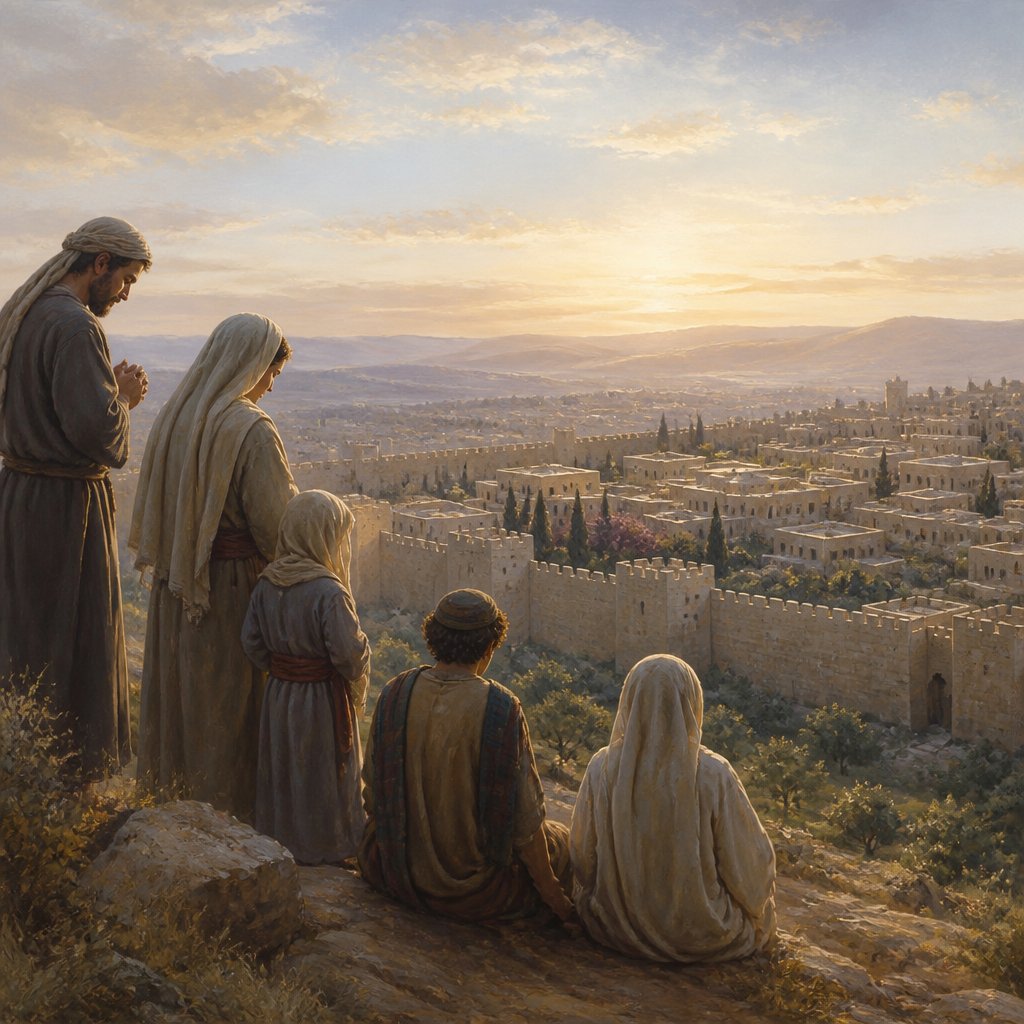
As we journey through life, we often find ourselves in situations far from our comfort zones. Whether it is due to changes in our careers, relationships, or even our spiritual lives, these transitions can feel like exiles. The words of the prophet Jeremiah in Jeremiah 29:7 provide profound insight and guidance during such challenging times: "And seek the peace of the city whither I have caused you to be carried away captives, and pray unto the LORD for it: for in the peace thereof shall ye have peace."
This verse was written while the Israelites were in Babylonian captivity. They were removed from their homeland, thrust into an unfamiliar culture, and faced numerous challenges. With a heart of compassion, Jeremiah, under divine inspiration, instructed them not just to survive their circumstances, but to seek the prosperity and well-being of the city where they found themselves.
The first call to action in this passage is to "seek the peace of the city." The Hebrew word for "peace" is "shalom," which encompasses more than just the absence of conflict. It refers to a state of holistic well-being, prosperity, and health. For the Israelites, the peace of Babylon was essential, even though it was their captors' city: a juxtaposition that calls for a radical rethinking of our understanding of "home." In their physical displacement, they were prompted to eventually flourish in their spiritual condition.
Likewise, in our own lives, we often seek peace and stability in places that are less than ideal. God urges us to take an active role in our circumstances, to pursue shalom not by retreating from the world but by engaging with it, praying for it, and working towards its betterment. When we pray for the peace of our cities—our communities, workplaces, and even our families—we are participating in God's restorative work. We become vessels of His love, reflecting that same desire for wholeness not just for ourselves but for others as well.
The instruction to "pray unto the LORD for it" further emphasizes the dependence we must have on God amid our trials. Prayer is powerful; it connects us to the heart of the Father and aligns our perspective with His. When we pray for those around us—even those who may not share our beliefs or values—we are acknowledging that God’s hand is over all aspects of our lives. We are recognizing His sovereignty, trusting that He is working even in the midst of hardship.
Furthermore, Jeremiah reinforces the necessity of intercession: "for in the peace thereof shall ye have peace." This is a divine promise that our peace is intricately tied to the well-being of those around us. As we seek the benefit of our communities, our lives become enriched in return. This principle extends beyond mere geography; it influences our relationships, our workplaces, and our environments. God’s economy is such that blessings multiply when shared.
The essence of this message echoes through the beatitudes as Jesus conveyed similar principles of love and action in the Sermon on the Mount. To be salt and light means to permeate our surroundings with the flavor of Christ and the illumination of His love. Thus, finding peace in the midst of turmoil calls for engagement, prayer, and a commitment to uplift those around us.
In moments of despair and uncertainty, let us reflect on Jeremiah's words and embrace the challenging call to seek peace in every situation. The exile is not just a circumstance; it is a calling to deeper spiritual maturity, a galvanizing opportunity to connect with God and others meaningfully. Let us earnestly pray for our cities, communities, and each other, knowing that in their peace, we may find our own.
As we navigate the complexities of life—whether in times of blessing or trial—may we be reminded that our actions and prayers have the power to foster peace that transcends our understanding. Jeremiah 29:7 is not merely a passive suggestion, but a profound command that calls us to seek and create havens of peace in our world, regardless of the challenges we may face.
Get our apps


Artwork for Jeremiah 29:7

Jeremiah 29:7 - "And seek the peace of the city whither I have caused you to be carried away captives, and pray unto the LORD for it: for in the peace thereof shall ye have peace."
"And seek the peace of the city whither I have caused you to be carried away captives, and pray unto the LORD for it: for in the peace thereof shall ye have peace." - Jeremiah 29:7

Jeremiah 29:29 - "And Zephaniah the priest read this letter in the ears of Jeremiah the prophet."

Jeremiah 7:29 - "¶ Cut off thine hair, O Jerusalem, and cast it away, and take up a lamentation on high places; for the LORD hath rejected and forsaken the generation of his wrath."
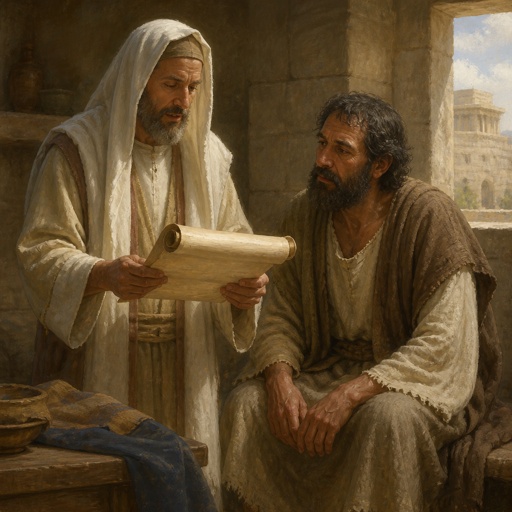
"And Zephaniah the priest read this letter in the ears of Jeremiah the prophet." - Jeremiah 29:29

Jeremiah 29:30 - "¶ Then came the word of the LORD unto Jeremiah, saying,"

Jeremiah 29:11-13

Jeremiah 29:11-13

Jeremiah 29:11-13

Jeremiah 29:11-13

Jeremiah 29:11

Jeremiah 29:11

Jeremiah 29:11

Jeremiah 29:11

Jeremiah 29: 4-14

Jeremiah 29: 4-14

Jeremiah 29: 4-14

Jeremiah 29: 4-14

Jeremiah 29: 4-14

Jeremiah 29:27 - "Now therefore why hast thou not reproved Jeremiah of Anathoth, which maketh himself a prophet to you?"

"¶ Then came the word of the LORD unto Jeremiah, saying," - Jeremiah 29:30

Jeremiah 29:11 sticker elements

Jeremiah 22:29 - "O earth, earth, earth, hear the word of the LORD."

Jeremiah 29:24 - "¶ Thus shalt thou also speak to Shemaiah the Nehelamite, saying,"

Numbers 29:7

Genesis 29-7

Jeremiah 29:5 - "¶ Build ye houses, and dwell in them; and plant gardens, and eat the fruit of them;"

Jeremiah 7:1 - "The word that came to Jeremiah from the LORD, saying,"

Matthew 7:24-29

Matthew 7:24-29