The Swift Approaching Judgment: A Call to Repentance
“Behold, he shall come up as clouds, and his chariots shall be as a whirlwind: his horses are swifter than eagles. Woe unto us! for we are spoiled.” — Jeremiah 4:13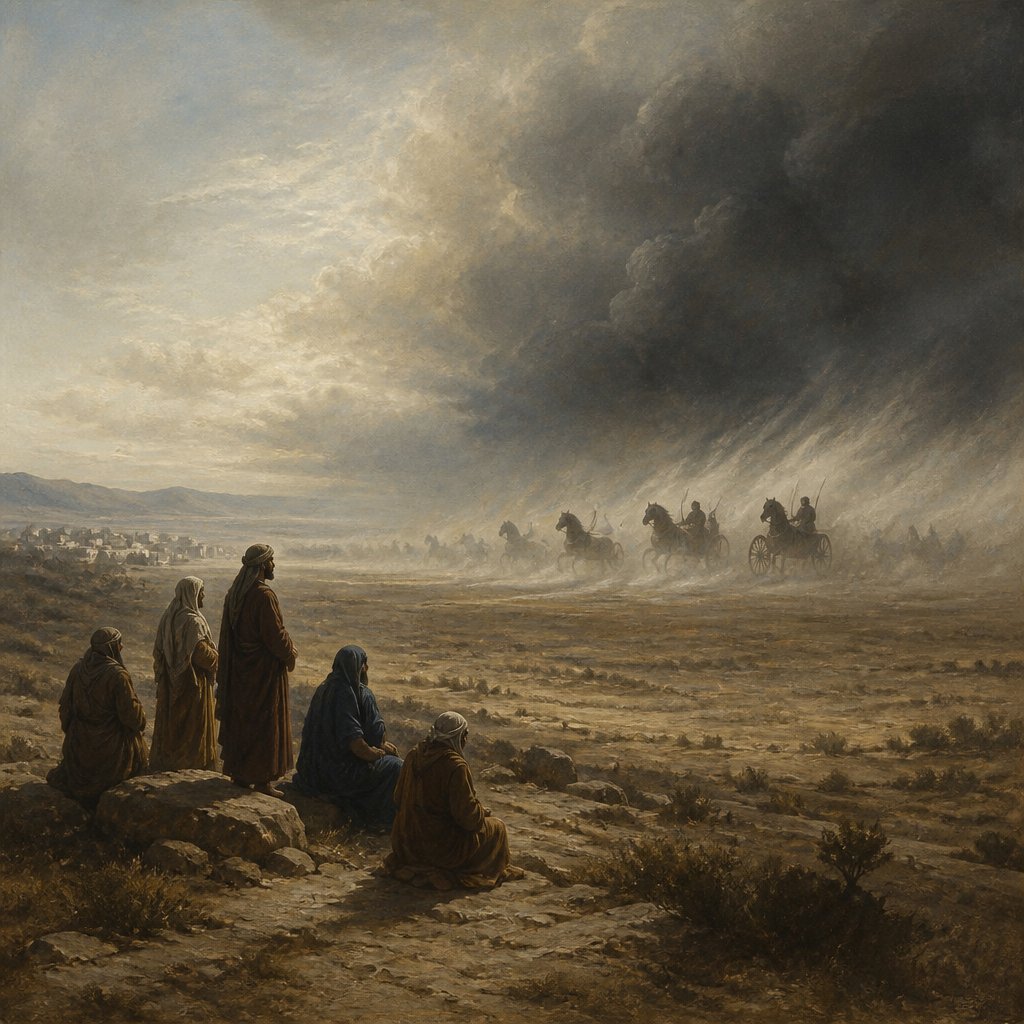
Jeremiah 4:13 reads, "Behold, he shall come up as clouds, and his chariots shall be as a whirlwind: his horses are swifter than eagles. Woe unto us! for we are spoiled." This verse, nestled within the poignant and prophetic cries of Jeremiah, conveys both warning and urgency. As we delve deeply into its meaning, we find ourselves confronted with a sobering message about the nature of divine judgment and the immediate need for repentance.
The metaphor of clouds in the opening line speaks to the rapidity and unpredictability of God's movements. Clouds can gather swiftly and obscure the sun, bringing with them the promise of storms. Just as a sudden storm can sweep across the landscape, so too does God's judgment approach with swiftness and power. It reminds us that the tide of God's grace can turn to judgment, and what we perceive as a time of peace may swiftly become a time of reckoning. Jeremiah underscores that the incoming judgment is not like a slow march but a fierce whirlwind—something we cannot ignore, cannot outrun, and must face.
The imagery of chariots and horses adds further depth to this scene. In ancient times, chariots symbolized power and swiftness in battle. They were the emblem of speed, precision, and overwhelming force. The mention of horses that are "swifter than eagles" reflects an unmatched acceleration toward the inevitable confrontation. Eagles, known for their keen sight and powerful flight, usually embody majesty and strength. However, here, they signify the swift and certain approach of divine justice, which is compelling and utterly unmistakable.
The exclamation, "Woe unto us! for we are spoiled," reveals the lamentation of a people in denial of their condition. To be "spoiled" can be interpreted as being ruined or plundered. It suggests a state of having been overtaken by fate or circumstances, perhaps indicating a spiritual desolation that manifests in the lives of the people. This phrase encapsulates both the despair of those subjected to judgment and the acknowledgment of a lost opportunity for repentance. The lamentation is a national cry, a collective recognition that their spiritual state is dire.
The context surrounding this verse holds significant weight. Jeremiah prophesied during a time when the people had turned away from God, engaging in idolatry and moral decay. As such, his words serve as a dire warning—a potent reminder that neglecting God's statutes leads to ruin. The people of Israel were facing impending invasion due to their disobedience, and Jeremiah was called to be a voice of warning to them. In our contemporary context, we must ask ourselves—are we living lives that reflect our devotion to God? Are we indulging in practices or attitudes that lead us away from His design?
This verse serves as a profound invitation to self-examination. We are called to recognize the swiftness of God's response to sin and the urgency with which we must come before Him in repentance. Our lives should be marked by vigilance and a commitment to holiness. The forthcoming judgment—as fierce and relentless as the whirlwind—is nothing to be taken lightly. In our fast-paced world, where distractions abound and sin often masquerades attractively, we often dull ourselves to the persistent whisper of the Holy Spirit urging us to return to communion with God.
As we contemplate the swift approach of God’s judgment, let us not be like those who heedlessly ignore the signs around them. Instead, let us take Jeremiah's words to heart, allowing them to disrupt our complacency. Each day offers new opportunities to align ourselves with God’s heart, to seek His forgiveness, and to extend grace to others. May our prayerful response echo that of the lamenting people: "Woe unto us!" acknowledging our faults and earnestly desiring transformation.
In conclusion, Jeremiah 4:13 serves as a wake-up call within the prophetic narrative—a reminder that while God's grace is expansive, His patience is not everlasting. Let us endeavor to walk in faithfulness, being mindful that the storm clouds of judgment may be near. Urgency, repentance, and turning back to God must direct our paths. As we await the day of His coming, may our hearts be prepared, and may our lives reflect His glory.
Get our apps


Artwork for Jeremiah 4:13
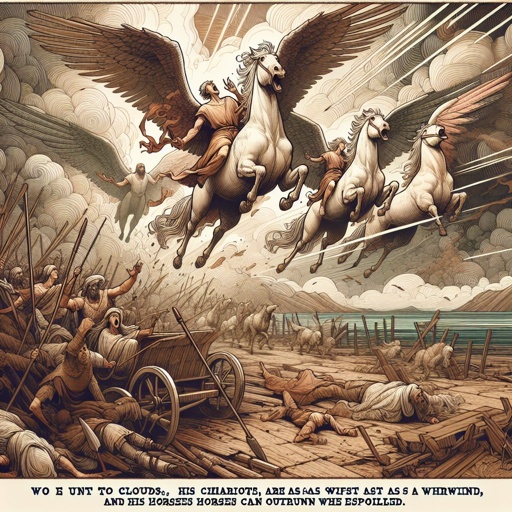
Jeremiah 4:13 - "Behold, he shall come up as clouds, and his chariots shall be as a whirlwind: his horses are swifter than eagles. Woe unto us! for we are spoiled."
"Behold, he shall come up as clouds, and his chariots shall be as a whirlwind: his horses are swifter than eagles. Woe unto us! for we are spoiled." - Jeremiah 4:13

Jeremiah 13:4 - "Take the girdle that thou hast got, which is upon thy loins, and arise, go to Euphrates, and hide it there in a hole of the rock."

Jeremiah 38:13 - "So they drew up Jeremiah with cords, and took him up out of the dungeon: and Jeremiah remained in the court of the prison."

Jeremiah 29:11-13

Jeremiah 29:11-13

Jeremiah 29:11-13

Jeremiah 29:11-13

Jeremiah 13:23

Jeremiah 38:1–13

Jeremiah 46:13 - "¶ The word that the LORD spake to Jeremiah the prophet, how Nebuchadrezzar king of Babylon should come and smite the land of Egypt."
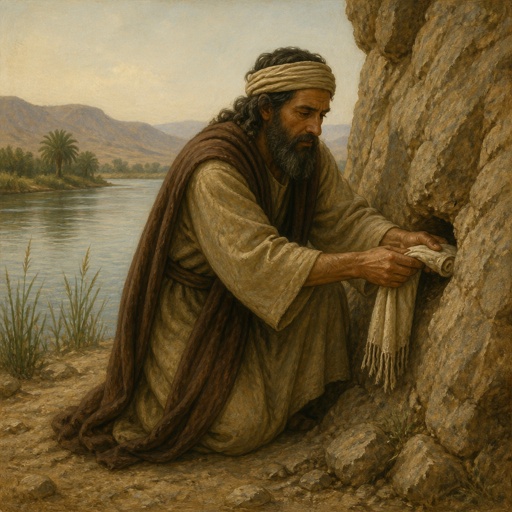
"Take the girdle that thou hast got, which is upon thy loins, and arise, go to Euphrates, and hide it there in a hole of the rock." - Jeremiah 13:4

1 Chronicles 12:13 - "Jeremiah the tenth, Machbanai the eleventh."

Jeremiah 20:4

Jeremiah 37:4 - "Now Jeremiah came in and went out among the people: for they had not put him into prison."

Jeremiah 13:8 - "Then the word of the LORD came unto me, saying,"

Jeremiah 32:13 - "¶ And I charged Baruch before them, saying,"

Jeremiah 29: 4-14

Jeremiah 29: 4-14

Jeremiah 36:4 - "Then Jeremiah called Baruch the son of Neriah: and Baruch wrote from the mouth of Jeremiah all the words of the LORD, which he had spoken unto him, upon a roll of a book."

Jeremiah 29: 4-14

Jeremiah 29: 4-14

Jeremiah 29: 4-14

Jeremiah 13:15 - "¶ Hear ye, and give ear; be not proud: for the LORD hath spoken."

Jeremiah 13:5 - "So I went, and hid it by Euphrates, as the LORD commanded me."

Jeremiah 13:3 - "And the word of the LORD came unto me the second time, saying,"

Philippians 4:13

Philippians 4:13

Jeremiah 13:24 - "Therefore will I scatter them as the stubble that passeth away by the wind of the wilderness."

Jeremiah 37:13 - "And when he was in the gate of Benjamin, a captain of the ward was there, whose name was Irijah, the son of Shelemiah, the son of Hananiah; and he took Jeremiah the prophet, saying, Thou fallest away to the Chaldeans."