The Deceptive Assurance: Trusting God Amidst Skepticism
"They have belied the LORD, and said, It is not he; neither shall evil come upon us; neither shall we see sword nor famine:" - Jeremiah 5:12
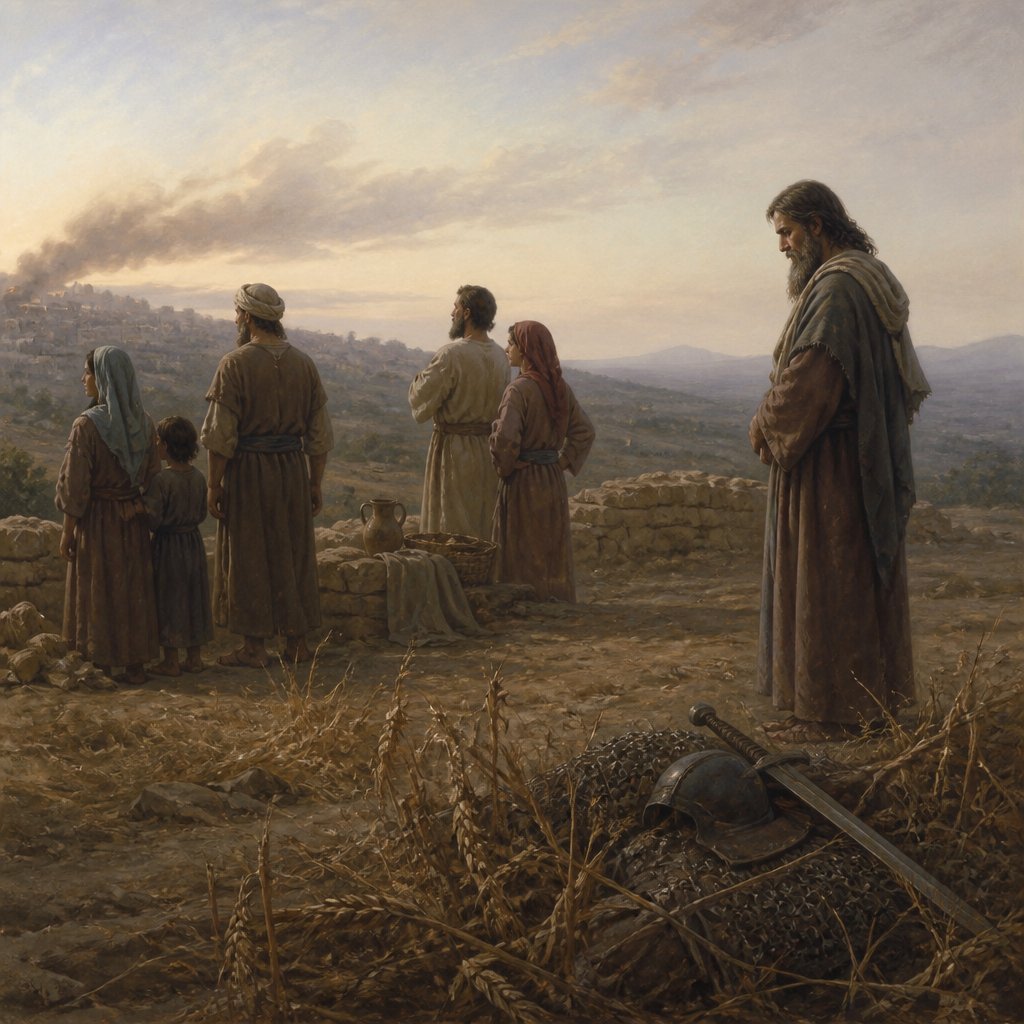
In the prophet Jeremiah’s time, Israel faced a severe moral and spiritual decline, a state that would ultimately lead to divine judgment. Among the grave accusations levied against God’s people, Jeremiah 5:12 stands out starkly, stating, "They have belied the LORD, and said, It is not he; neither shall evil come upon us; neither shall we see sword nor famine." This verse encapsulates the attitude of a people who have turned away from acknowledging the sovereignty and presence of God in their lives.
To "belie" God is to deceive, to misrepresent, or to deny the truth of who He is. The people of Israel had convinced themselves that God was no longer active in their lives. They had come to a place where they doubted His promises and protection. Instead of recognizing the consequences of their sin, they heaped false assurances upon themselves, proclaiming that evil would not affect them, and that calamity was far from their door. How astoundingly similar this rhetoric feels even in today’s context; it’s a resignation to naivety about the realities of sin and judgment.
In reflecting on this verse, we must first confront the tendency within our own hearts to deny God’s active role in our lives. It’s easy to fall into complacency, believing that our situations will remain untouched, that God will not intervene in the downward spirals of morality around us or in our personal lives. The Israelites had done just that, believing, after years of disregard for God’s commands, that they could continue in their ways without facing consequences.
Consider the boldness of their claim: "It is not he.” This denial was not merely a statement about God; it reflected their choice to live in rebellion against His character and His covenant. They had sought to escape responsibility for their actions. This attitude fostered a false sense of security that left them unprepared for the inevitable consequences of their choices.
Jeremiah’s warning resonates deeply with us today. It urges us to examine our reliance on the fallacies of self-deception. When we believe that God is indifferent to our moral choices, we set ourselves up for disaster. Instead of living in truth, we fabricate our realities, assuming we can control the outcomes without God. This self-reliance and denial of God’s power can embolden us to pursue paths that stray from His will. In this way, the message challenges us to foster a deeper understanding of God’s holiness, justice, and grace. In repentance and humility, we find the pathway back to His presence, ultimately recognizing His sovereignty in every aspect of our lives.
The second part of the verse references the bold declaration that "neither shall we see sword nor famine." Here lies the tragic irony. By dismissing the possibility of judgment, they not only belied God; they also disengaged themselves from reality. They chose ignorance over truth, comfort over conviction. The dangers of such a mindset cannot be overstated. In our contemporary culture, many indulge in the idea that we can live outside God’s laws without repercussion. Just as Israel was warned, we too must remain vigilant, discerning the signs of our times, being ever mindful of the spiritual battles that rage around us.
To counteract the dangerous belief that nothing can threaten us, we must anchor ourselves in scriptural truths. Romans 8:31 reminds us, "What shall we then say to these things? If God be for us, who can be against us?" Instead of fostering skepticism, may we cultivate trust in God’s character, knowing that in Him, our refuge and strength lie.
In reflection, let us ask ourselves: Are there areas in our lives where we have belied God’s authority? Are we romantically shackled to the belief that we are beyond His reach? Today invites us into a deeper relationship with our Creator, where we confess our missteps, relinquishing any delusions. In doing so, we embrace His truth and acknowledge that His mercy and grace can realign our paths toward righteousness. Let us not be like Israel, standing on the precipice of judgment, believing ourselves to be secure in our falsehoods—but rather, let us confidently proclaim that, indeed, God is He, our fortress amid storms, guiding and protecting from the inevitable challenges of life.
Want to reflect more on Jeremiah 5:12?
Continue your spiritual journey with Bible Chat — an AI-powered tool for exploring God's Word through conversation. Ask questions, discover connections, and deepen your understanding.
Get Our Apps


Jeremiah 5:12 Artwork

Jeremiah 5:12 - "They have belied the LORD, and said, It is not he; neither shall evil come upon us; neither shall we see sword nor famine:"
"They have belied the LORD, and said, It is not he; neither shall evil come upon us; neither shall we see sword nor famine:" - Jeremiah 5:12
Jeremiah 12:5 - "¶ If thou hast run with the footmen, and they have wearied thee, then how canst thou contend with horses? and if in the land of peace, wherein thou trustedst, they wearied thee, then how wilt thou do in the swelling of Jordan?"

Jeremiah 35:12 - "¶ Then came the word of the LORD unto Jeremiah, saying,"

Jeremiah 34:12 - "¶ Therefore the word of the LORD came to Jeremiah from the LORD, saying,"

Jeremiah 28:12 - "Then the word of the LORD came unto Jeremiah the prophet, after that Hananiah the prophet had broken the yoke from off the neck of the prophet Jeremiah, saying,"

Nehemiah 12:12 - "And in the days of Joiakim were priests, the chief of the fathers: of Seraiah, Meraiah; of Jeremiah, Hananiah;"

Jeremiah 10:5

Jeremiah 37:12 - "Then Jeremiah went forth out of Jerusalem to go into the land of Benjamin, to separate himself thence in the midst of the people."

Jeremiah 38:12 - "And Ebed-melech the Ethiopian said unto Jeremiah, Put now these old cast clouts and rotten rags under thine armholes under the cords. And Jeremiah did so."

Nehemiah 12:34 - "Judah, and Benjamin, and Shemaiah, and Jeremiah,"

"¶ Then came the word of the LORD unto Jeremiah, saying," - Jeremiah 35:12

Jeremiah 36:5 - "And Jeremiah commanded Baruch, saying, I am shut up; I cannot go into the house of the LORD:"

Prophet Jeremiah 1:5

Jeremiah 28:5 - "Then the prophet Jeremiah said unto the prophet Hananiah in the presence of the priests, and in the presence of all the people that stood in the house of the LORD,"

1 Chronicles 12:10 - "Mishmannah the fourth, Jeremiah the fifth,"

1 Chronicles 12:13 - "Jeremiah the tenth, Machbanai the eleventh."

Jeremiah 15:12 - "Shall iron break the northern iron and the steel?"

Jeremiah 18:5 - "Then the word of the LORD came to me, saying,"

Jeremiah 5:30 - "¶ A wonderful and horrible thing is committed in the land;"

"¶ Therefore the word of the LORD came to Jeremiah from the LORD, saying," - Jeremiah 34:12

Jeremiah 5:20 - "Declare this in the house of Jacob, and publish it in Judah, saying,"

Jeremiah 5:16 - "Their quiver is as an open sepulchre, they are all mighty men."

Jeremiah 17:12 - "¶ A glorious high throne from the beginning is the place of our sanctuary."

Jeremiah 26:12 - "¶ Then spake Jeremiah unto all the princes and to all the people, saying, The LORD sent me to prophesy against this house and against this city all the words that ye have heard."

Jeremiah 5:23 - "But this people hath a revolting and a rebellious heart; they are revolted and gone."

Jeremiah 5:2 - "And though they say, The LORD liveth; surely they swear falsely."

Jeremiah 30:12 - "For thus saith the LORD, Thy bruise is incurable, and thy wound is grievous."

Jeremiah 12:17 - "But if they will not obey, I will utterly pluck up and destroy that nation, saith the LORD."

proverbs 5:12