When Famine Strikes: Lessons from Jeremiah 52:6
“And in the fourth month, in the ninth day of the month, the famine was sore in the city, so that there was no bread for the people of the land.” — Jeremiah 52:6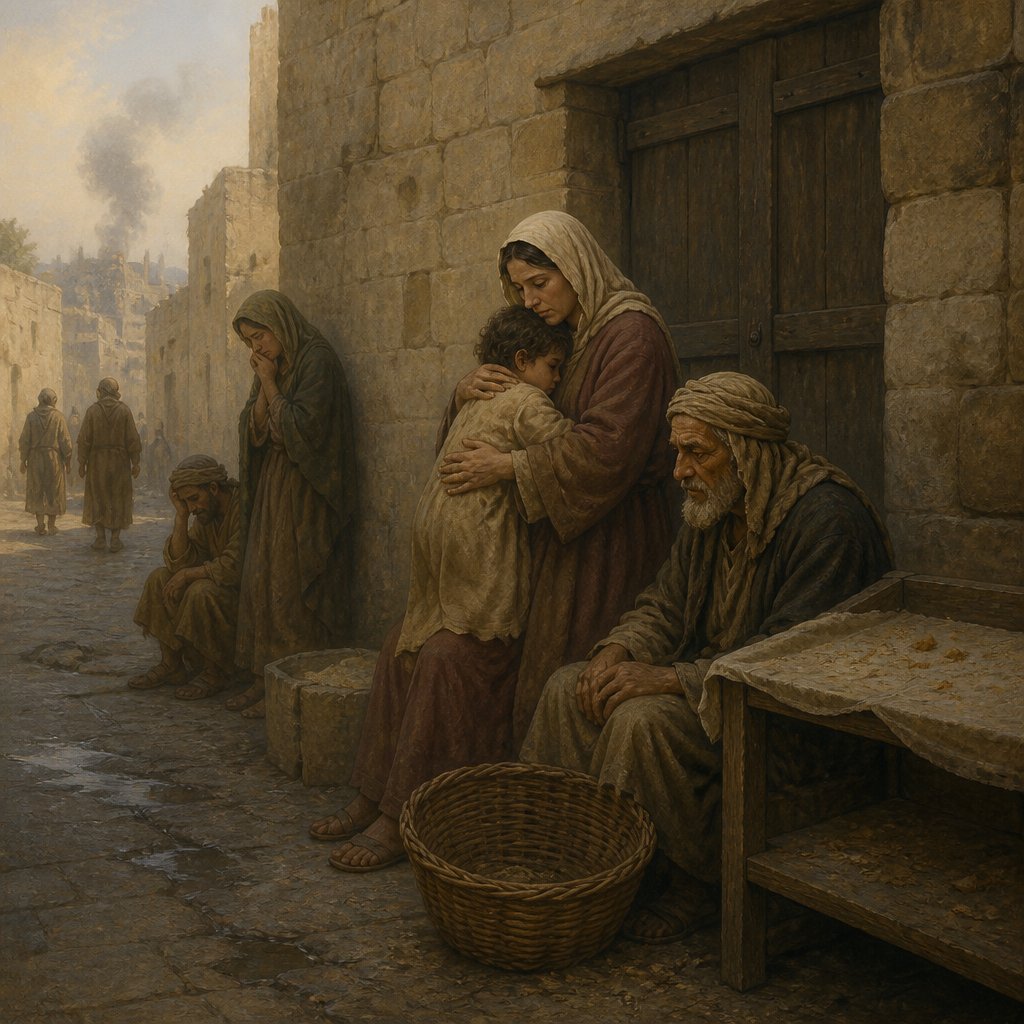
In Jeremiah 52:6, we read: "And in the fourth month, in the ninth day of the month, the famine was sore in the city, so that there was no bread for the people of the land." This verse captures a dire moment in the history of Jerusalem and signifies much more than just a physical absence of food. It invites us into a profound reflection on spiritual famine, the longing for sustenance, and God’s providence even in the bleakest circumstances.
The context of this verse finds the city of Jerusalem besieged, marked by desperation as its inhabitants face severe hunger. They had been warned of their impending doom; prophets like Jeremiah had pleaded with them to turn back to God to avoid the coming judgment. Yet, they persisted in their rebellious ways against Yahweh. The famine they experienced was not just a physical calamity but a representation of the spiritual decline that had gripped the hearts of the people.
In our contemporary world, we are not unfamiliar with famine-like experiences. While many may not face literal hunger, a famine of the spirit is prevalent; a drought of faith, hope, and divine connection often manifests within many lives. We may find ourselves in seasons where our hearts feel scorched by the sun of life's trials, thirsting for comfort, peace, and assurance. Just as the people of Jerusalem yearned for bread, we, too, yearn for the Bread of Life in times of emptiness.
Jesus declares in John 6:35, "I am the bread of life: he that cometh to me shall never hunger; and he that believeth on me shall never thirst." In Jeremiah's time, the people's reliance on their own strength, their kings, and their idols ultimately led them to anguish. Our spiritual journeys can likewise become kneaded with the flour of human effort and devoid of the ingredients of grace if we do not lean into God's provision.
Famine brings with it a unique opportunity for reflection and repentance. For those who are spiritually malnourished, such periods can illuminate where we have placed our trust. Are we prioritizing our relationship with God as our ultimate source of nourishment? Or have we been seeking fulfillment elsewhere? The answer to our spiritual hunger lies in the humility to come before God, acknowledging our own shortcomings and seeking His face.
The stark image of Jerusalem starving reminds us of what can happen when we turn our backs on God: we can end up in a state of longing, desiring richness that only intimacy with our Creator can satisfy. This verse compels us to examine the places we have allowed famine to set in – not just around us, but within us. Are we cultivating a spirit that thrives on prayer, worship, and the Word of God? Or are we allowing the distractions of the world to lead us into a spiritual drought?
Moreover, in biblical literature, famines often precede God’s intervention and blessing. They can serve as a prelude to restoration and a reminder of reliance on Him. We must not lose hope in our own seasons of drought; they could be the precursor to an awakening. God ferries His people through the valleys of despair to the mountaintops of joy and abundance.
Ultimately, Jeremiah 52:6 stands as a reminder that physical sustenance is transient, but spiritual nourishment, which comes from the Bread of Life, is everlasting. In this light, let us embrace times of famine as moments to draw near to God, to deepen our faith, search our hearts, and nourish our spirits.
In conclusion, as we reflect on our own lives, let us not forget that within every famine, there lies the potential for restoration. Let this be our prayer: "Lord, in times of drought, awaken a deeper hunger for You within me. Help me to seek the Bread of Life daily, knowing that true sustenance comes from You alone." May we lean into God’s inexhaustible supply, ready to be fed and nourished by His unfailing love and grace.
Get our apps


Artwork for Jeremiah 52:6

Jeremiah 52:6 - "And in the fourth month, in the ninth day of the month, the famine was sore in the city, so that there was no bread for the people of the land."
"And in the fourth month, in the ninth day of the month, the famine was sore in the city, so that there was no bread for the people of the land." - Jeremiah 52:6

Jeremiah 52:16

Jeremiah 52:5 - "So the city was besieged unto the eleventh year of king Zedekiah."

Jeremiah 52:16 - "But Nebuzar-adan the captain of the guard left certain of the poor of the land for vinedressers and for husbandmen."
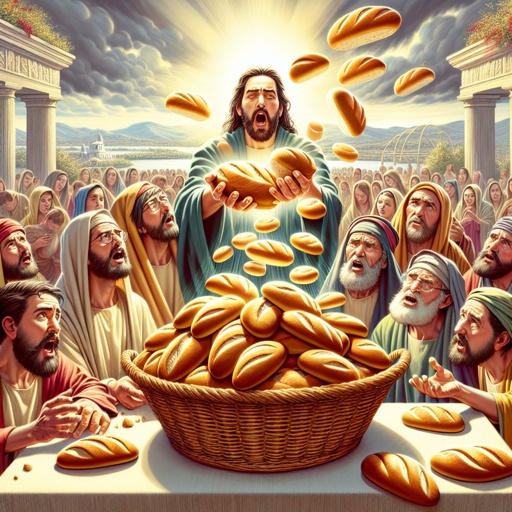
Mark 6:52 - "For they considered not the miracle of the loaves: for their heart was hardened."

Jeremiah 52:2 - "And he did that which was evil in the eyes of the LORD, according to all that Jehoiakim had done."

Jeremiah 52:26 - "So Nebuzar-adan the captain of the guard took them, and brought them to the king of Babylon to Riblah."

Jeremiah 52:1 - "Zedekiah was one and twenty years old when he began to reign, and he reigned eleven years in Jerusalem. And his mother's name was Hamutal the daughter of Jeremiah of Libnah."

Jeremiah 52:24 - "¶ And the captain of the guard took Seraiah the chief priest, and Zephaniah the second priest, and the three keepers of the door:"

Jeremiah 52:32 - "And spake kindly unto him, and set his throne above the throne of the kings that were with him in Babylon,"

Jeremiah 52:14 - "And all the army of the Chaldeans, that were with the captain of the guard, brake down all the walls of Jerusalem round about."

Jeremiah 52:28 - "This is the people whom Nebuchadrezzar carried away captive: in the seventh year three thousand Jews and three and twenty:"

Jeremiah 52:18 - "The caldrons also, and the shovels, and the snuffers, and the bowls, and the spoons, and all the vessels of brass wherewith they ministered, took they away."
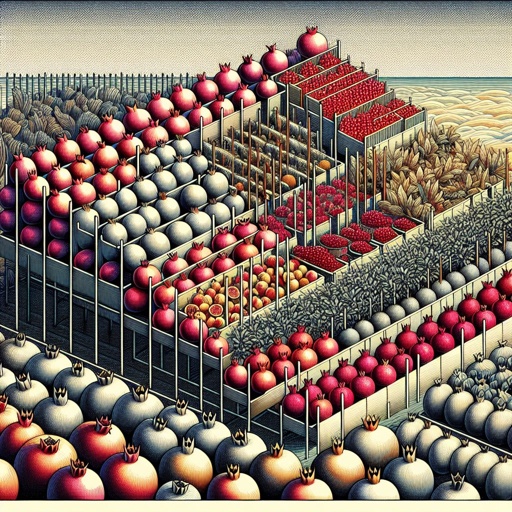
Jeremiah 52:23 - "And there were ninety and six pomegranates on a side; and all the pomegranates upon the network were an hundred round about."

Jeremiah 52:29 - "In the eighteenth year of Nebuchadrezzar he carried away captive from Jerusalem eight hundred thirty and two persons:"

Psalms 52:6 - "The righteous also shall see, and fear, and shall laugh at him:"

Jeremiah 52:13 - "And burned the house of the LORD, and the king's house; and all the houses of Jerusalem, and all the houses of the great men, burned he with fire:"

Jeremiah 52:33 - "And changed his prison garments: and he did continually eat bread before him all the days of his life."
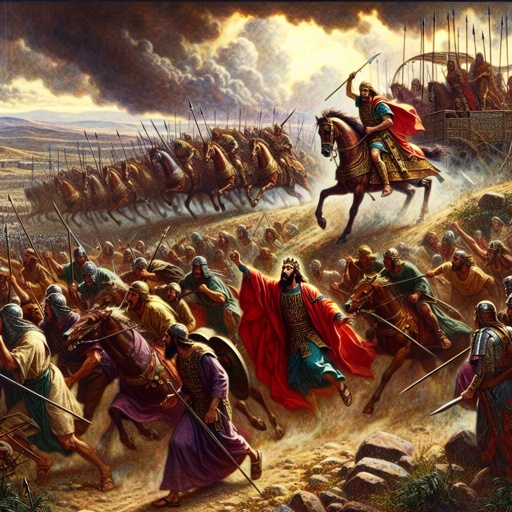
Jeremiah 52:8 - "¶ But the army of the Chaldeans pursued after the king, and overtook Zedekiah in the plains of Jericho; and all his army was scattered from him."

Jeremiah 52:10 - "And the king of Babylon slew the sons of Zedekiah before his eyes: he slew also all the princes of Judah in Riblah."

1 Chronicles 6:52 - "Meraioth his son, Amariah his son, Ahitub his son,"

Jeremiah 52:9 - "Then they took the king, and carried him up unto the king of Babylon to Riblah in the land of Hamath; where he gave judgment upon him."

Jeremiah 52:19 - "And the basons, and the firepans, and the bowls, and the caldrons, and the candlesticks, and the spoons, and the cups; that which was of gold in gold, and that which was of silver in silver, took the captain of the guard away."
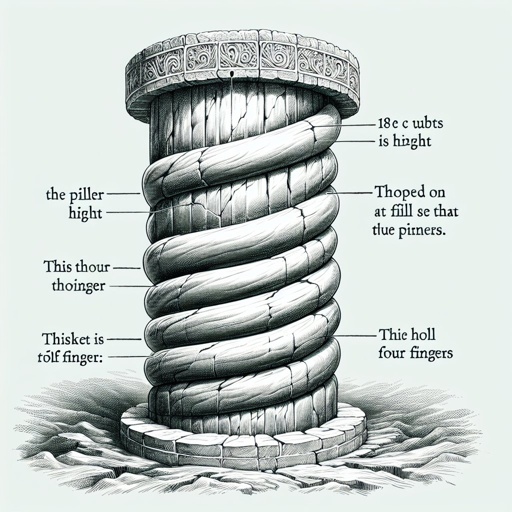
Jeremiah 52:21 - "And concerning the pillars, the height of one pillar was eighteen cubits; and a fillet of twelve cubits did compass it; and the thickness thereof was four fingers: it was hollow."

"For they considered not the miracle of the loaves: for their heart was hardened." - Mark 6:52
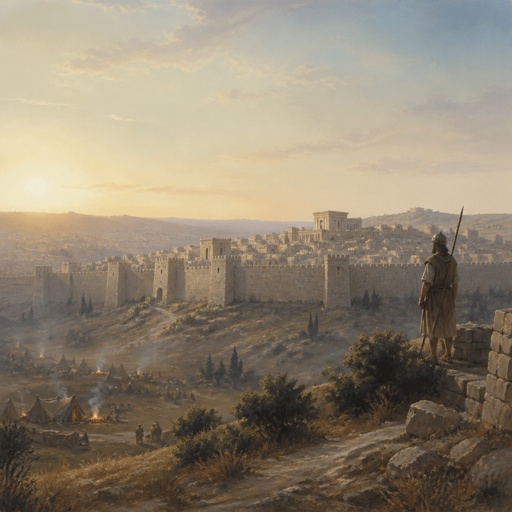
"So the city was besieged unto the eleventh year of king Zedekiah." - Jeremiah 52:5

Jeremiah 52:17 - "Also the pillars of brass that were in the house of the LORD, and the bases, and the brasen sea that was in the house of the LORD, the Chaldeans brake, and carried all the brass of them to Babylon."
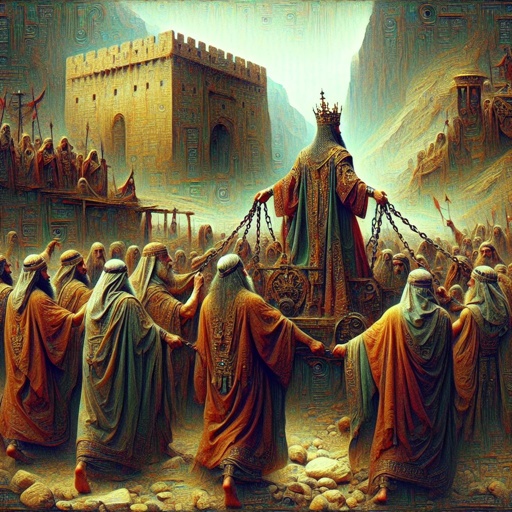
Jeremiah 52:11 - "Then he put out the eyes of Zedekiah; and the king of Babylon bound him in chains, and carried him to Babylon, and put him in prison till the day of his death."

Jeremiah 52:34 - "And for his diet, there was a continual diet given him of the king of Babylon, every day a portion until the day of his death, all the days of his life."