Justice and Compassion: A Call to Righteous Living
“If ye oppress not the stranger, the fatherless, and the widow, and shed not innocent blood in this place, neither walk after other gods to your hurt:” — Jeremiah 7:6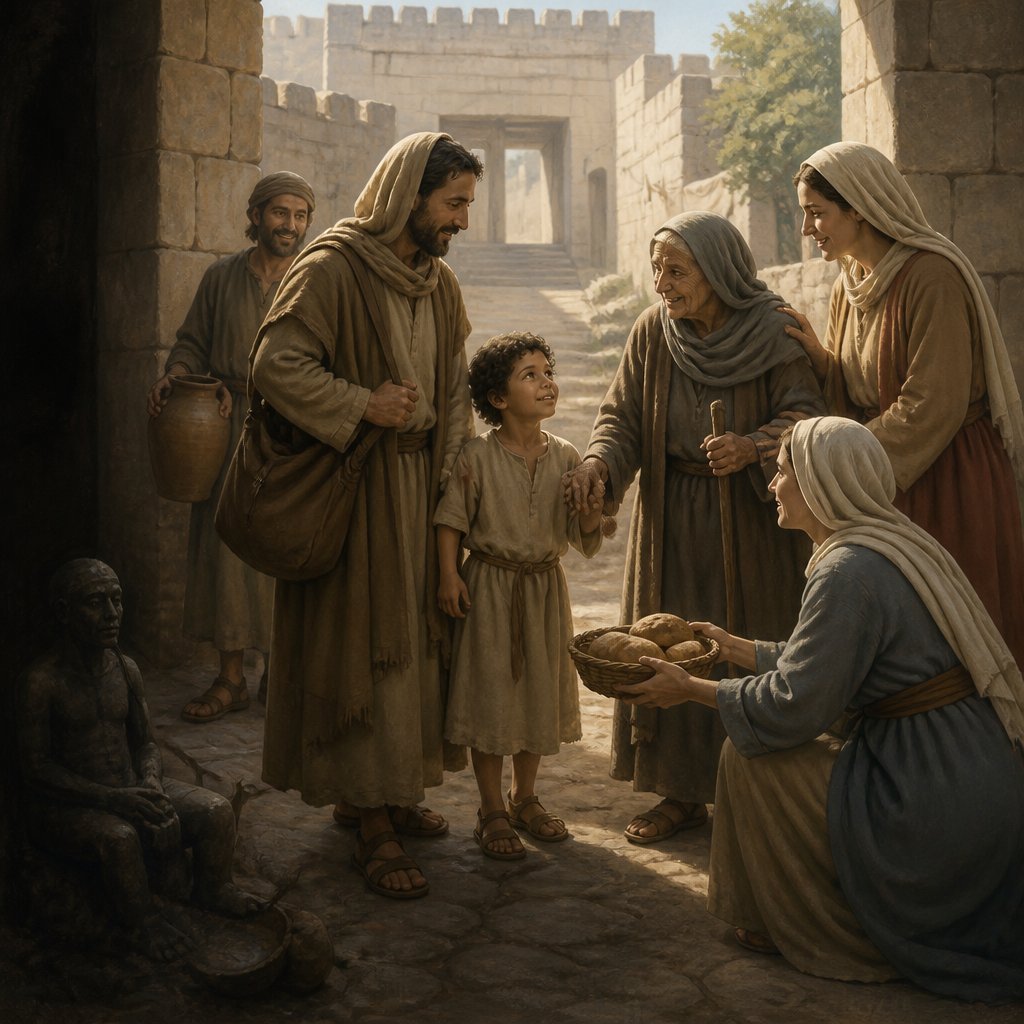
The verse Jeremiah 7:6 from the King James Version reads, "If ye oppress not the stranger, the fatherless, and the widow, and shed not innocent blood in this place, neither walk after other gods to your hurt." This scripture is not only a call to ethical behavior but also a profound reminder of our responsibilities to the most vulnerable in society—those who often have no voice and no power.
This admonition from the prophet Jeremiah comes against the backdrop of a people who were in danger of losing their way, caught up in practices that led them away from their covenant with God. Israel was facing impending judgment as they misplaced their trust in rituals and the temple rather than in the living God who commanded justice, mercy, and compassion. Jeremiah presents a vivid picture of what it means to live in alignment with God's will by underscoring three key groups of people: the stranger, the fatherless, and the widow.
First, consider the stranger—those who are not from our own community, those who may be different from us, whether in ethnicity, culture, or belief. In ancient Israel, a stranger could be a foreigner or someone who is marginalized. Providing them with protection and care is not simply an act of kindness; it is essential to the fabric of a God-honoring community. When we oppress the stranger, we not only infringe upon their dignity but also violate God’s law. In Leviticus 19:34, God is clear about His expectations: "But the stranger that dwelleth with you shall be unto you as one born among you, and thou shalt love him as thyself; for ye were strangers in the land of Egypt: I am the Lord your God." The command to love strangers flows from God’s own actions and nature.
Next, Jeremiah highlights the plight of the fatherless and the widow, who represent the most vulnerable among us, those who experience profound loss and can easily be overlooked. Scripture repeatedly emphasizes God’s heart for the fatherless and the widow. In Psalm 68:5, we learn that God is a "father of the fatherless" and a "judge of the widows." Caring for them is an expression of true religion, as noted in James 1:27, which states, "Pure religion and undefiled before God and the Father is this, To visit the fatherless and widows in their affliction, and to keep himself unspotted from the world." Thus, neglecting their needs directly contradicts God's character and purpose for His people. By lifting up these hurting individuals, we reflect God’s compassion and active involvement in their lives.
The second part of Jeremiah's proclamation warns against shedding innocent blood and walking after other gods. These actions result in harm not only to the victims but also to the perpetrators and society as a whole. By embracing violence and idolatry, we turn away from God's intentions for a just and righteous community. When we pursue false gods—anything that takes our affections and focuses away from the ultimate source of love and truth—we inevitably hurt ourselves. God knows that when we neglect to uphold justice and righteousness, chaos reigns, and we become ensnared in our folly.
As we reflect on Jeremiah 7:6, we are called to self-examination. Are there ways in our lives where we may inadvertently oppress others? Are we turning a blind eye to the needs of the vulnerable in our communities? Do we have idols that distract us from our commitment to God and His values? This verse serves as both a warning and a promise: if we commit to acting justly, loving mercy, and walking humbly with God (Micah 6:8), we align ourselves with His will and experience His blessings.
In a world rife with injustice, oppression, and division, we must rise to the occasion as vessels of God's love and righteousness. Let us practice radical hospitality, genuine kindness, and steadfast care for the needy, ensuring that our lives reflect the heart of God for all people, especially those who are most vulnerable. May our hearts break for the things that break His, leading us to a lifestyle of justice and compassion.
Get our apps


Artwork for Jeremiah 7:6

Jeremiah 7:6 - "If ye oppress not the stranger, the fatherless, and the widow, and shed not innocent blood in this place, neither walk after other gods to your hurt:"
"If ye oppress not the stranger, the fatherless, and the widow, and shed not innocent blood in this place, neither walk after other gods to your hurt:" - Jeremiah 7:6
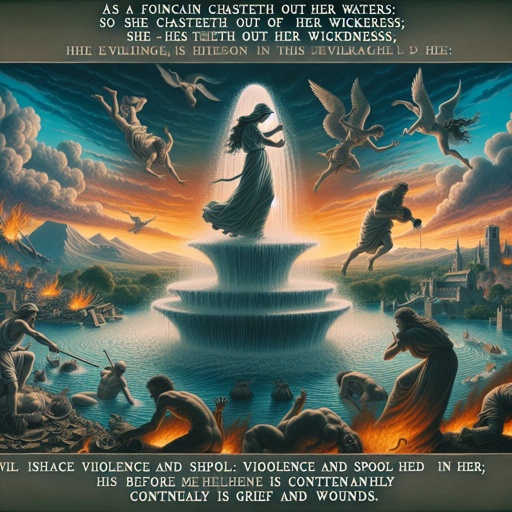
Jeremiah 6:7 - "As a fountain casteth out her waters, so she casteth out her wickedness: violence and spoil is heard in her; before me continually is grief and wounds."

Jeremiah 38:6 (KJVA) 6 Then took they Jeremiah, and cast him into the dungeon of Malchiah the son of Hammelech, that was in the court of the prison: and they let down Jeremiah with cords. And in the dungeon there was no water, but mire: so Jeremiah sunk in the mire.

Jeremiah 7:1 - "The word that came to Jeremiah from the LORD, saying,"

Jeremiah 37:6 - "¶ Then came the word of the LORD unto the prophet Jeremiah, saying,"

Jeremiah 32:6 - "¶ And Jeremiah said, The word of the LORD came unto me, saying,"

Jeremiah 38:6 - "Then took they Jeremiah, and cast him into the dungeon of Malchiah the son of Hammelech, that was in the court of the prison: and they let down Jeremiah with cords. And in the dungeon there was no water, but mire: so Jeremiah sunk in the mire."

Jeremiah 34:6 - "Then Jeremiah the prophet spake all these words unto Zedekiah king of Judah in Jerusalem,"

Jeremiah 42:7 - "¶ And it came to pass after ten days, that the word of the LORD came unto Jeremiah."

Jeremiah 26:7 - "So the priests and the prophets and all the people heard Jeremiah speaking these words in the house of the LORD."

Jeremiah 7:5-6 - "For if you truly amend your ways and your deeds, if you truly execute justice one with another, if you do not oppress the stranger, the orphan, or the widow, or shed innocent blood in this place, and if you do not go after other gods to your own harm."

Jeremiah 17:7-8

Jeremiah 17:7-8

Jeremiah 17:7-8

Jeremiah 17:7-8

Jeremiah 40:6 - "Then went Jeremiah unto Gedaliah the son of Ahikam to Mizpah; and dwelt with him among the people that were left in the land."

"The word that came to Jeremiah from the LORD, saying," - Jeremiah 7:1

Jeremiah 7:7 - "Then will I cause you to dwell in this place, in the land that I gave to your fathers, for ever and ever."

"¶ Then came the word of the LORD unto the prophet Jeremiah, saying," - Jeremiah 37:6

Jeremiah 42:7 And it happened after ten days that the word of the Lord came to Jeremiah.

Jeremiah 42:7 And it happened after ten days that the word of the Lord came to Jeremiah.

Jeremiah 48:6 - "Flee, save your lives, and be like the heath in the wilderness."

"¶ And Jeremiah said, The word of the LORD came unto me, saying," - Jeremiah 32:6

Jeremiah 17:7 - "Blessed is the man that trusteth in the LORD, and whose hope the LORD is."

Jeremiah 7:8 - "¶ Behold, ye trust in lying words, that cannot profit."

Jeremiah 38:7 - "¶ Now when Ebed-melech the Ethiopian, one of the eunuchs which was in the king's house, heard that they had put Jeremiah in the dungeon; the king then sitting in the gate of Benjamin;"

Jeremiah 6:2 - "I have likened the daughter of Zion to a comely and delicate woman."

Jeremiah 7:17 - "¶ Seest thou not what they do in the cities of Judah and in the streets of Jerusalem?"

Acts 3:6-7