The Integrity of Job: A Life of Fear and Faith
“There was a man in the land of Uz, whose name was Job; and that man was perfect and upright, and one that feared God, and eschewed evil.” — Job 1:1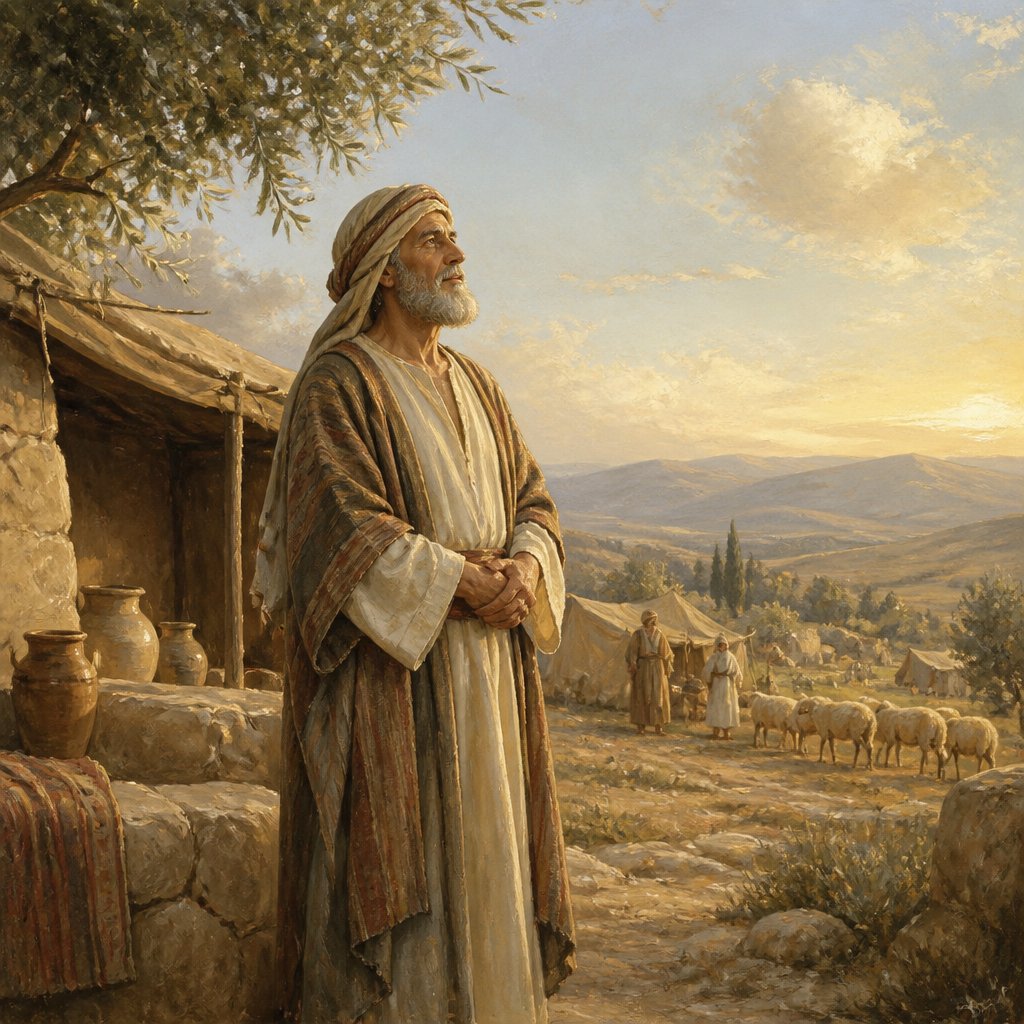
In our exploration of the life of Job, the first verse of the book presents us with a compelling introduction to a man whose life serves as a profound example of integrity, faith, and resilience. The King James Version (KJV) states, "There was a man in the land of Uz, whose name was Job; and that man was perfect and upright, and one that feared God, and eschewed evil" (Job 1:1). This opening line sets the stage for a narrative that is not just about suffering, but also about the qualities that uphold the soul amidst trials and tribulations.
Job is described as a man who is 'perfect and upright'. In biblical terminology, being 'perfect' does not imply being without fault or error; rather, it indicates completeness and wholeness in the context of spiritual integrity. Job exemplifies ethical uprightness, carrying himself with a moral compass that points steadfastly toward righteousness. This completeness is demonstrated through his actions, his interactions with others, and his relationship with God. Job did not merely follow ritualistic practices; he embodied a lifestyle of righteousness.
One of the most critical aspects of Job's character is his fear of God. The fear of God in Scriptural context is not a fear rooted in terror but is a deep reverence and awe of the Almighty Creator. It highlights Job's understanding of God's holiness and majesty, which in turn informs his relationship with Him. As believers, the integrity of our walk with Christ begins with a profound acknowledgment of who God is. This reverence leads to worship, obedience, and ultimately a holy life. Job's fear of God was the foundation upon which his life was built—a shield that protected him from the enticements of sin and moral decay.
Additionally, the verse states that Job 'eschewed evil'. To eschew something means to deliberately avoid or keep away from it. Job's avoidance of evil suggests a conscious choice to distance himself from actions, thoughts, and influences that would compromise his relationship with God. He understood the inherent danger of evil and the blessings that accompanied a life devoted to righteousness. In our daily lives, how often do we make similar decisions to eschew evil? The world offers numerous distractions, temptations, and opportunities to stray from the path set forth by God. But Job's example urges us to be vigilant and intentional in our choices, recognizing that what we allow into our hearts and minds directly impacts our walk with God.
As we ponder over Job’s life, we are encouraged to reflect on our own lives. Are we seen as 'perfect and upright' in our dealings, both in public and in private? Do we genuinely fear God, understanding the depth of that phrase, and allowing that reverence to dictate our actions? Are we actively eschewing evil in whatever form it presents itself?
Moreover, the introduction to Job’s character precedes the trials that he will face—unforeseen tragedies that shake the very foundations of his existence. Yet, what we learn from Job’s portrayal in this opening verse is that regardless of the circumstances that will later unfold, his integrity and faith are non-negotiable. His life is not merely about avoiding hardship but thriving in faith through every trial. When calamity strikes, it is the inner robustness of his character that allows him to question, lament, and ultimately trust in God's plan.
As we strive to live lives of integrity, let us take inspiration from Job. May we aspire to be perfect and upright—more than just outward appearances but characterized by true inner holiness. Let our fear of God lead us to fervent prayer, diligent study of His Word, and unwavering trust in His providence. In everything we do, may we endeavor to eschew evil, knowing that our commitment to God reflects our understanding of His greatness. With each choice, let us proclaim our allegiance to Him, trusting that He is directing our paths, just as He did for Job.
Get our apps


Artwork for Job 1:1

Job 1:1

Job 1:1 - "There was a man in the land of Uz, whose name was Job; and that man was perfect and upright, and one that feared God, and eschewed evil."
"There was a man in the land of Uz, whose name was Job; and that man was perfect and upright, and one that feared God, and eschewed evil." - Job 1:1

Job 12:1 - "And Job answered and said,"

Job 23:1 - "Then Job answered and said,"

Job 9:1 - "Then Job answered and said,"

Job 19:1 - "Then Job answered and said,"

Job 21:1 - "But Job answered and said,"

Job 26:1 - "But Job answered and said,"

Job 16:1 - "Then Job answered and said,"

Job 6:1 - "But Job answered and said,"

Job 42:1 - "Then Job answered the LORD, and said,"

Job 40:1 - "Moreover the LORD answered Job, and said,"

Job 38:1 - "Then the LORD answered Job out of the whirlwind, and said,"

Job 27:1 - "Moreover Job continued his parable, and said,"

Job 29:1 - "Moreover Job continued his parable, and said,"

Job 1:22 - "In all this Job sinned not, nor charged God foolishly."

Job 3:1 - "After this opened Job his mouth, and cursed his day."

"Then Job answered and said," - Job 19:1

"Then Job answered and said," - Job 9:1

"And Job answered and said," - Job 12:1

"Then Job answered and said," - Job 23:1

"Then Job answered and said," - Job 16:1

"But Job answered and said," - Job 21:1

"But Job answered and said," - Job 26:1

"But Job answered and said," - Job 6:1

Job 1:9 - "Then Satan answered the LORD, and said, Doth Job fear God for nought?"

Job 1:3

Job 1:21

Job 1:3