The Broken Arms of the Fatherless: A Call to Compassion
“Thou hast sent widows away empty, and the arms of the fatherless have been broken.” — Job 22:9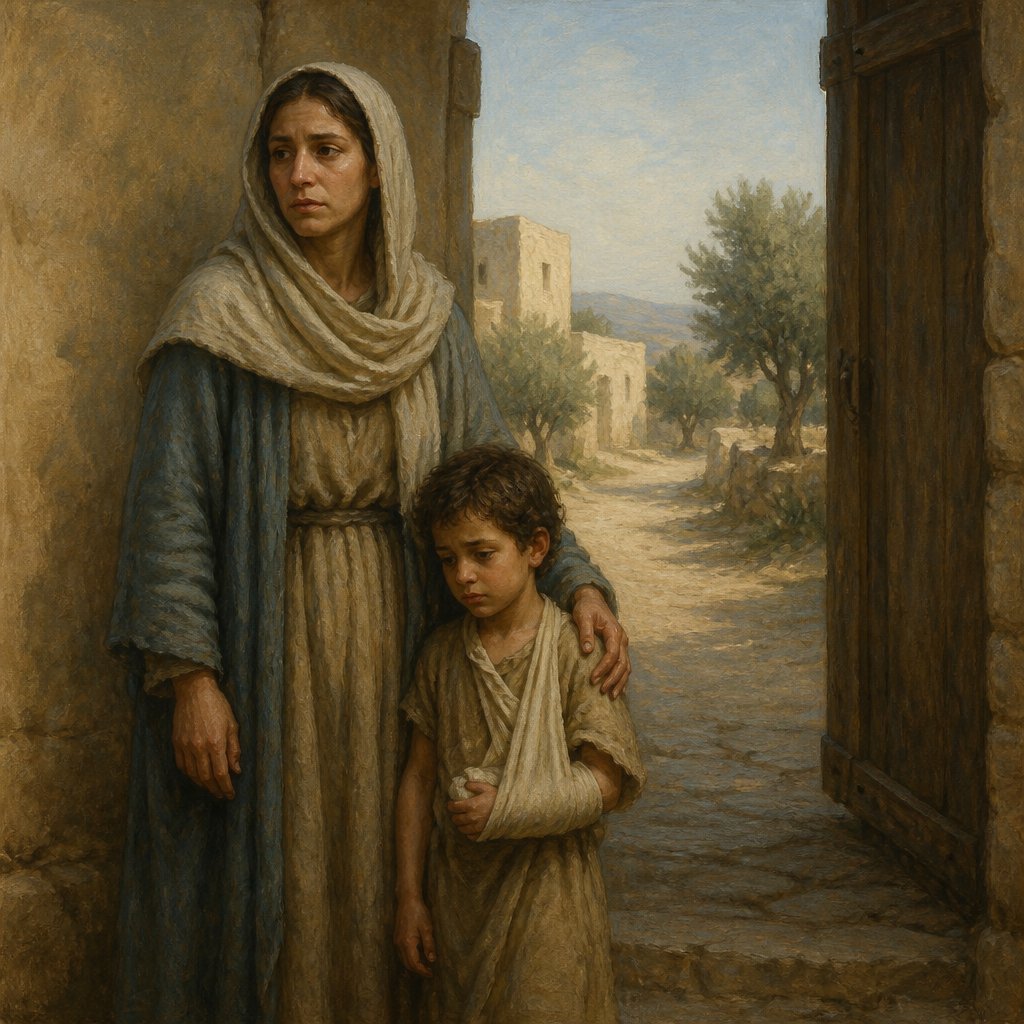
In the King James Version of the Bible, Job 22:9 reads, "Thou hast sent widows away empty, and the arms of the fatherless have been broken." This verse strikes a poignant chord in our hearts as it addresses two vulnerable groups in society: widows and orphans. It serves as a challenge to confront our responsibilities toward those who are most at risk of being overlooked or mistreated.
The context of Job 22 reveals a moment of intense dialogue where Eliphaz the Temanite confronts Job, accusing him of wrongdoing. While it is important to recognize that the words are aimed at Job, we must also look at the deeper implications of what it means to dismiss the needs of the vulnerable. The verse is not only bitterly accusatory; it also paints a portrait of a society that ignores its moral compass, a situation that can echo through generations.
The phrase "sent widows away empty" holds profound significance. In biblical times, widows were exceptionally vulnerable; they often depended upon the kindness and generosity of the community for support. Being widowed meant not only the loss of a spouse but also the potential loss of income and protection. A widow could easily find herself destitute, disconnected, and in need of help. By sending widows away empty, it signifies a heart hardened to their plight and a society that neglects to care for its own. How often do we turn a blind eye to the struggles of those around us, choosing comfort over the hard work of compassion?
Furthermore, the phrase "the arms of the fatherless have been broken" vividly illustrates the struggles faced by orphans. Children, who should be nurtured and loved, are often left unprotected in harsh realities. The 'broken arms' signify not only the emotional and social abandonment of these children but also the very real physical and spiritual burdens they carry. In a world riddled with suffering, a fatherless child may experience abandonment on levels far deeper than simple loss. The image of brokenness indicates a loss of protection, guidance, and support, which leaves a profound impact on their development and outlook on life.
As believers, how can we avoid the implications of Job 22:9? When we read this verse, we are challenged to consider our own actions and inactions. Jesus embodies the heart of compassion, consistently reaching out to the marginalized—the hungry, the poor, the outcast, and the lost. If we aspire to the character of Christ, we must endeavor to open our eyes to those who are suffering in our communities. Are we providing adequate support and love to widows and orphans, or are we merely sending them away empty, as Eliphaz accused?
Furthermore, this scripture invites us to reflect on God's heart toward the broken and downtrodden. Throughout the Bible, God repeatedly emphasizes His concern for these vulnerable groups. In James 1:27, we are warned that true religion is to "visit the fatherless and widows in their affliction." This admonition is a reminder that as stewards of God's grace, we have a divine responsibility to enact justice and mercy.
In practical terms, responding to the call of compassion can take many forms. It may involve volunteering at local shelters, sponsoring children through charity organizations, or simply reaching out to support collection drives for those who are lost or struggling. It can also mean advocating for systemic changes, standing against injustice, and ensuring that policies are in place to protect the rights of widows and orphans.
As we meditate on Job 22:9, let us not become desensitized to the suffering around us. Rather, let us pray and ask for God’s guidance on how we can serve those who are often pushed to the margins. The arms of the fatherless should not be broken on our watch; we are called to be agents of healing, lifting the downtrodden and providing for those in need. May we respond with hearts full of compassion, reflecting the love of Christ to a world in desperate need of hope.
Get our apps


Artwork for Job 22:9

Job 22:9 - "Thou hast sent widows away empty, and the arms of the fatherless have been broken."

"Thou hast sent widows away empty, and the arms of the fatherless have been broken." - Job 22:9

Job 9:22 - "This is one thing, therefore I said it, He destroyeth the perfect and the wicked."

"This is one thing, therefore I said it, He destroyeth the perfect and the wicked." - Job 9:22

Job 1:22 - "In all this Job sinned not, nor charged God foolishly."

Job 9:1 - "Then Job answered and said,"

"Then Job answered and said," - Job 9:1

Job 22:1 - "Then Eliphaz the Temanite answered and said,"

Job 1:9 - "Then Satan answered the LORD, and said, Doth Job fear God for nought?"

Job 22:22 - "Receive, I pray thee, the law from his mouth, and lay up his words in thine heart."

Job 9:9 - "Which maketh Arcturus, Orion, and Pleiades, and the chambers of the south."

"In all this Job sinned not, nor charged God foolishly." - Job 1:22

Job 22:5 - "Is not thy wickedness great? and thine iniquities infinite?"

Job 22:19 - "The righteous see it, and are glad: and the innocent laugh them to scorn."

Job 41:22 - "In his neck remaineth strength, and sorrow is turned into joy before him."

Job 22:11 - "Or darkness, that thou canst not see; and abundance of waters cover thee."

Job 1:9 no words

Job 1:9 no words

Job 37:22 - "Fair weather cometh out of the north: with God is terrible majesty."

Job 22:8 - "But as for the mighty man, he had the earth; and the honourable man dwelt in it."

Job 22:12 - "Is not God in the height of heaven? and behold the height of the stars, how high they are!"

Job 3:22 - "Which rejoice exceedingly, and are glad, when they can find the grave?"

Job 22:30 - "He shall deliver the island of the innocent: and it is delivered by the pureness of thine hands."

Job 19:22 - "Why do ye persecute me as God, and are not satisfied with my flesh?"

Job 22:4 - "Will he reprove thee for fear of thee? will he enter with thee into judgment?"

Job 22:20 - "Whereas our substance is not cut down, but the remnant of them the fire consumeth."

Matthew 9:21-22

Matthew 9:21-22

Matthew 9:21-22

Matthew 9:21-22