Royal Regrets: A Reflection on True Value
“Or with princes that had gold, who filled their houses with silver:” — Job 3:15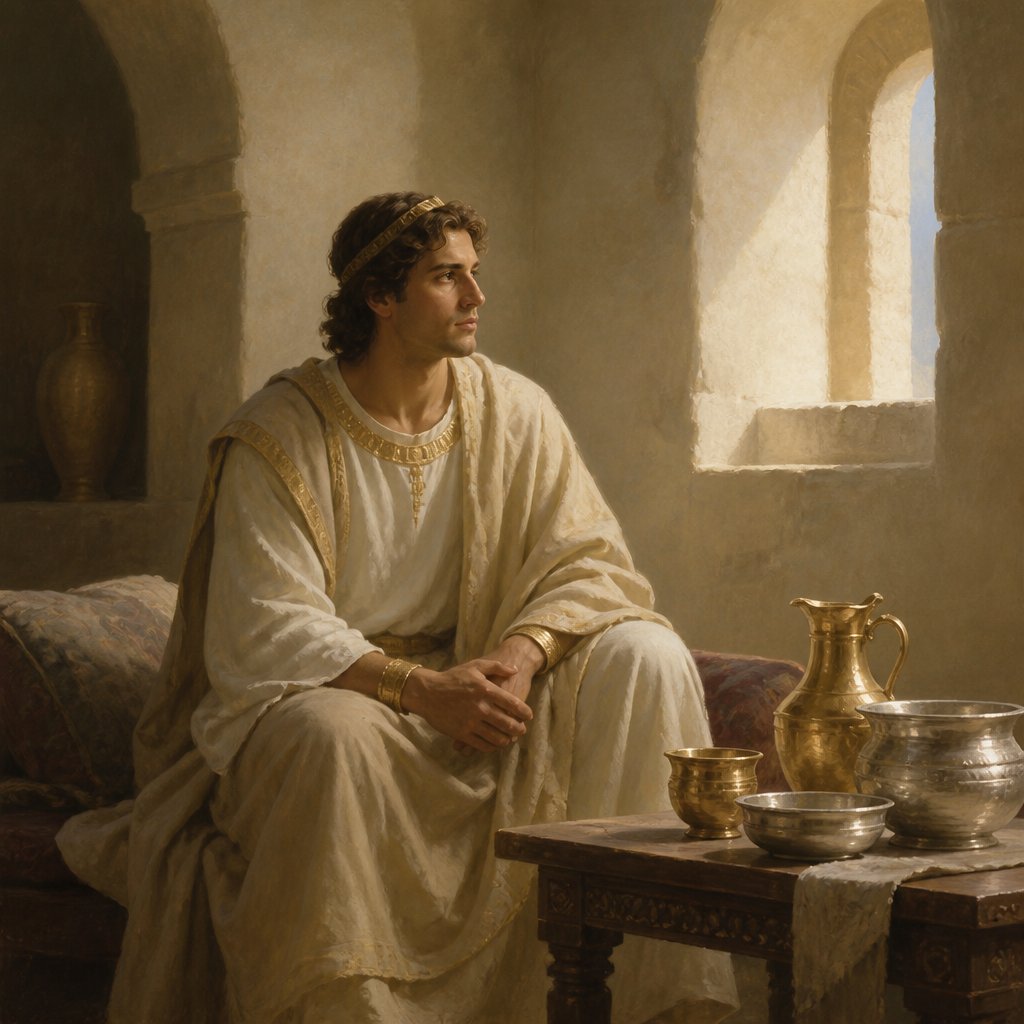
The verse from Job 3:15, "Or with princes that had gold, who filled their houses with silver," strikes a profound chord in the heart and mind of the reader. In the context of Job’s lamentation, it encapsulates the sorrowful reflection of a man who has lost everything, including the admiration and esteem that often come with wealth and social standing. As we delve deeper into this passage, it invites us to ponder the essence of value and worth in our lives, both earthly and eternal.
The Book of Job is a narrative that explores the themes of suffering, faith, and divine justice. Job, a man known for his righteousness and wealth, faces unimaginable trials. Throughout the book, he grapples with profound questions about the purpose of suffering and the nature of God. In Job 3, Job wishes for the end of his life, expressing his grief and confusion over why he was ever born. In this moment of despair, he reflects on powerful men, the princes who live in opulence, yet he realizes that their wealth does not shield them from suffering or the ultimate fate that befalls all humanity.
To truly grasp the weight of Job’s statement, we need to first understand the cultural implications of wealth and status in ancient society. Princes were individuals of great authority and influence, adorned in the finest of gold and surrounded by abundance. They represented the pinnacle of human achievement and societal success. However, Job’s contemplations reveal a harsh truth: even those who seem to possess everything are ultimately susceptible to loss and despair.
As we reflect on this, we are often reminded of our own obsessions with wealth and material possessions in contemporary society. Many strive for success measured in financial terms, believing that affluence equates to happiness and security. Yet, Job’s words challenge such notions. They echo a sobering reality that gold and silver cannot purchase peace, joy, or fulfillment. Indeed, they are mere illusions that can vanish in the face of life’s unpredictability.
In God's perspective, the true value of a person is not determined by the treasures they amass, but by their character, their faith, and their relationship with Him. Proverbs 22:1 reminds us that "A good name is rather to be chosen than great riches, and loving favor rather than silver and gold.” Our true worth is found in our identity as children of God, co-heirs with Christ, and not in the fluctuating valuations of worldly success.
Job's lament also provides a deeper insight into the human condition. It fosters empathy among us, as we recognize that suffering is universal and not limited to the wealthy or the poor. It reaffirms our shared humanity and compels us to confront our own struggles with faith and existence. When we encounter trials, we might be tempted to envy those who appear to have everything, believing their wealth exempts them from pain. Yet, Job’s experience reveals that princes, too, are not preserved from life’s adversities.
Therefore, let us not be entranced by the glimmer of gold or the sparkle of silver in our lives. Rather, let us seek the wealth of wisdom, the richness of faith, and the treasure of fellowship with Christ. May we remember that true abundance is found in recognizing God’s grace and love operating within us, and not in the transient pleasures of material gain.
In conclusion, as we meditate on Job 3:15, let us reaffirm our commitment to spiritual wealth over material possessions. Let our lives be anchored in the truth that while we may not have silver or gold, we possess a treasure far greater—our relationship with Almighty God. His love is priceless, His grace unmeasurable, and in Him, we find our true identity and worth.
Get our apps


Artwork for Job 3:15

Job 3:15 - "Or with princes that had gold, who filled their houses with silver:"
"Or with princes that had gold, who filled their houses with silver:" - Job 3:15

Job 15:3 - "Should he reason with unprofitable talk? or with speeches wherewith he can do no good?"

"Should he reason with unprofitable talk? or with speeches wherewith he can do no good?" - Job 15:3

Job 3:2 - "And Job spake, and said,"

Job 40:3 - "¶ Then Job answered the LORD, and said,"

Job 15:15 - "Behold, he putteth no trust in his saints; yea, the heavens are not clean in his sight."

Job 3:1 - "After this opened Job his mouth, and cursed his day."

Job 15:1 - "Then answered Eliphaz the Temanite, and said,"

"And Job spake, and said," - Job 3:2

Job 42:15 - "And in all the land were no women found so fair as the daughters of Job: and their father gave them inheritance among their brethren."

"¶ Then Job answered the LORD, and said," - Job 40:3

Job 1:3

Job 28:3

Job 1:3

Job 29:15 - "I was eyes to the blind, and feet was I to the lame."

Job 28:3

Job 28:3

Job 1:3

Job 32:15 - "They were amazed, they answered no more: they left off speaking."

Job 3:20-21 - "Job 3:20-21: Why is light given to those in misery, and life to the bitter of soul, to those who long for death that does not come, who search for it more than for hidden treasure?"

Job 36:15 - "He delivereth the poor in his affliction, and openeth their ears in oppression."

Job 38:15 - "And from the wicked their light is withholden, and the high arm shall be broken."

Job 15:35 - "They conceive mischief, and bring forth vanity, and their belly prepareth deceit."

Job 15:11 - "Are the consolations of God small with thee? is there any secret thing with thee?"

Job 1:3 no words

Job 15:34 - "For the congregation of hypocrites shall be desolate, and fire shall consume the tabernacles of bribery."

Job 15:32 - "It shall be accomplished before his time, and his branch shall not be green."

Job 15:4 - "Yea, thou castest off fear, and restrainest prayer before God."

Job 17:15 - "And where is now my hope? as for my hope, who shall see it?"