The Fleeting Nature of Life: A Devotional Reflection on Job 4:20
“They are destroyed from morning to evening: they perish for ever without any regarding it.” — Job 4:20
In the book of Job, we find one of the most profound explorations of suffering, human anxiety, and the inscrutable nature of God. Job 4:20 states, "They are destroyed from morning to evening: they perish for ever without any regarding it." This verse resonates deeply with the fragility of human life and the often-overlooked reality of mortality.
As we begin to unpack this verse, we must first consider the context in which it was spoken. Job, a man whose life was marked by unthinkable loss and suffering, was being questioned and echoed by his friend Eliphaz. Eliphaz speaks of the swift destruction that befalls individuals whose lives are inconsequential to the Divine will. This message is not merely a reflection of Job's circumstance; it points to a universal truth about the human condition—that life is ephemeral and can change in an instant.
In the rush of our daily lives, it can be easy to become consumed by the urgency of our tasks, desires, and goals. Yet, Eliphaz's words serve as a stark reminder of how impermanence permeates our existence. Each day we have begins with the potential of new experiences, yet it can lead to the unexpected end of life and opportunities. The verse states "from morning to evening," indicating that this cycle is relentless, compelling us to remember that life is numbered and fleeting. How often do we take this truth to heart as we plan for the future, losing sight of the present moment?
Moreover, the line "they perish for ever without any regarding it" calls us to ponder not only our mortality but also the implications of neglecting to acknowledge our spiritual state. Life is often lived in a haze of distractions; we pour our energies into pursuits that seem valid—career ambitions, financial security, social status—yet fail to recognize the eternal significance of our actions and choices. Eliphaz suggests that there are those who can perish without being recognized or mourned. This stark imagery compels us to consider our lives—are we living with purpose and recognition of our spiritual existence as children of God? Are we valuing the relationships that matter and nurturing our communion with Him?
In our journey of faith, we must remember that our days are precious gifts from the Lord. The brevity of life urges us to live intentionally, seeking daily to fulfill the divine purpose planted within our hearts. It is vital to cultivate an awareness of our spiritual inheritance, to cherish each moment we are given, and to share the light of Christ with those around us. How we navigate our days reflects what we value, who we are in Christ, and our awareness of the likelihood of our own mortality.
Reflecting further on Job 4:20, we cannot ignore the comfort that comes from God's eternal promise through Christ. Yes, life is transitory, but our hope in Him provides an anchor in the storms of existence. Though destruction may loom from "morning to evening," we must remember that those who believe in Jesus have the promise of life everlasting. We do not perish in vain; we live in expectancy of a greater resurrection and that we are known by the Creator.
As you ponder this verse today, consider how you are engaging with the life you have been given. Are you aligning your daily actions and decisions with what matters eternally? Ask God for insight into how you can live with greater purpose and urgency, and how you can reflect His love and grace in your everyday interactions.
Ultimately, let us not be discouraged by the transient nature of life, but rather let it motivate us to seek deeper relationships, to pursue holiness, and to share the hope of Christ while we still have the breath of life. May we live each day acknowledging both our fragility and our purpose in His kingdom.
Get our apps


Artwork for Job 4:20

Job 4:20 - "They are destroyed from morning to evening: they perish for ever without any regarding it."

"They are destroyed from morning to evening: they perish for ever without any regarding it." - Job 4:20

Job 20:4 - "Knowest thou not this of old, since man was placed upon earth,"

"Knowest thou not this of old, since man was placed upon earth," - Job 20:4

Job 1:20

Job 1:20

Job 3:20-21 - "Job 3:20-21: Why is light given to those in misery, and life to the bitter of soul, to those who long for death that does not come, who search for it more than for hidden treasure?"

Job 1:20 - "Then Job arose, and rent his mantle, and shaved his head, and fell down upon the ground, and worshipped,"

Job 20:5 - "That the triumphing of the wicked is short, and the joy of the hypocrite but for a moment?"

Job 20:1 - "Then answered Zophar the Naamathite, and said,"

Eliphaz speaks to Job in Job 4.

Job 20:20 - "Surely he shall not feel quietness in his belly, he shall not save of that which he desired."

Job 28:20 - "Whence then cometh wisdom? and where is the place of understanding?"

Job 36:20 - "Desire not the night, when people are cut off in their place."

Job 20:17 - "He shall not see the rivers, the floods, the brooks of honey and butter."

Job 3:20 - "Wherefore is light given to him that is in misery, and life unto the bitter in soul;"

Job 29:20 - "My glory was fresh in me, and my bow was renewed in my hand."

Job 22:20 - "Whereas our substance is not cut down, but the remnant of them the fire consumeth."

Job 33:20 - "So that his life abhorreth bread, and his soul dainty meat."

Job 6:20 - "They were confounded because they had hoped; they came thither, and were ashamed."

Job 20:13 - "Though he spare it, and forsake it not; but keep it still within his mouth:"

Job 12:20 - "He removeth away the speech of the trusty, and taketh away the understanding of the aged."

Job 32:4 - "Now Elihu had waited till Job had spoken, because they were elder than he."
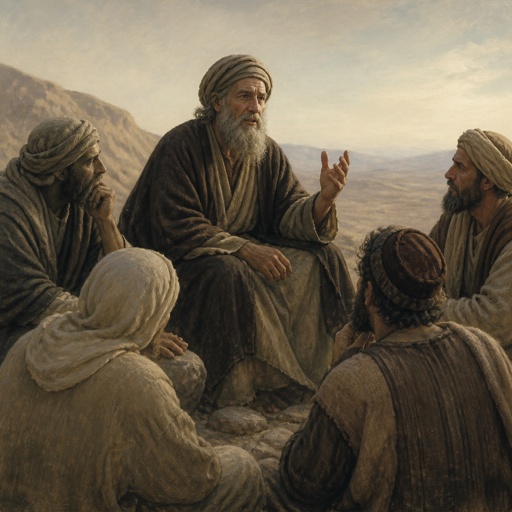
"Then answered Zophar the Naamathite, and said," - Job 20:1

Job 32:20 - "I will speak, that I may be refreshed: I will open my lips and answer."

Job 27:20 - "Terrors take hold on him as waters, a tempest stealeth him away in the night."

Job 39:20 - "Canst thou make him afraid as a grasshopper? the glory of his nostrils is terrible."

Job 20:2 - "Therefore do my thoughts cause me to answer, and for this I make haste."

Job 20:29 - "This is the portion of a wicked man from God, and the heritage appointed unto him by God."

Job 20:14 - "Yet his meat in his bowels is turned, it is the gall of asps within him."