The Breath of God: A Reflection on Divine Sovereignty
“By the blast of God they perish, and by the breath of his nostrils are they consumed.” — Job 4:9
Job 4:9 states, "By the blast of God they perish, and by the breath of his nostrils are they consumed." This verse, written in the poignant and poetic language of the King James Version, invites us to reflect on the omnipotent and sovereign nature of God. In the narrative of Job, we encounter a profound exploration of suffering, faith, and divine power. Eliphaz the Temanite, the speaker in this verse, articulates a deep truth that echoes throughout Scripture: the absolute authority of God over creation and the fragility of human existence.
To understand the depth of this verse, we must first grasp the context within which it was spoken. After Job's profound losses and his unshakeable faith, his friends come to comfort him but end up offering explanations for his suffering. Eliphaz, wise yet misguided, attributes Job's calamity to divine punishment for sin. He asserts that all that breathes, all that lives, is under the direct governance of God. The imagery of "the blast of God" evokes a forceful and dynamic act, emphasizing that God's will is potent and sometimes devastating. It serves as a reminder of the vulnerability of created beings in the face of divine wrath or judgment.
In a contemporary world often marked by misunderstandings of power and authority, this verse challenges us to reconsider our perceptions of the divine. God’s breath, which brings life to all creation (Genesis 2:7), can also bring judgment and destruction. This duality reveals that while God is indeed a Source of life and goodness, He is also One who holds the sovereignty to end and judge life. It invokes a healthy fear and awe of God, recognizing that our existence hangs upon His will, and it reminds us of the weighty responsibility that comes with the gift of life.
Furthermore, Eliphaz's words compel us to ponder our own lives. Are we living under the acknowledgment of God’s sovereignty? In our pursuits, ambitions, and daily routines, do we recognize that it is by His breath that we live and move and have our being? In Acts 17:28, we are reminded that everything we are and possess is derived from the Creator. It is a humbling yet liberating truth. We are not random products of chance; we are intricately woven into the fabric of God's design.
This recognition should lead us to a posture of gratitude and reverence. The fragility of life, so evident in Job's story, should prompt us to make our days count. How might we live differently if we realized that each breath is a gift from God? How would our interactions, decisions, and priorities change? In a culture that often prioritizes self-sufficiency and autonomy, Job 4:9 calls us back to dependence on and reverence for God’s will.
Moreover, this scripture highlights the universal reality of human mortality. We all will perish, and in that inevitable end, God’s breath ultimately reigns supreme. Yet, this does not lead us to despair but instead invites us to hope in the promise that through Jesus Christ, the breath of God was breathed again into humanity. Christ, in His resurrection, brings forth new life that transcends earthly existence. We find assurance in the eternal life promised to believers, reminding us that although our earthly bodies may perish, our souls are consumed in the eternal breath of God.
Thus, as we reflect upon Job 4:9, let us establish our lives upon the foundation of God’s sovereignty. Let us live with humility, recognizing our dependence on Him, and embrace the gift that is each breath, cherishing every moment. May we approach the Creator in awe, reverence, and gratitude, aware that it is His blast that gives us life and His breath that consumes our trials and tribulations.
Get our apps


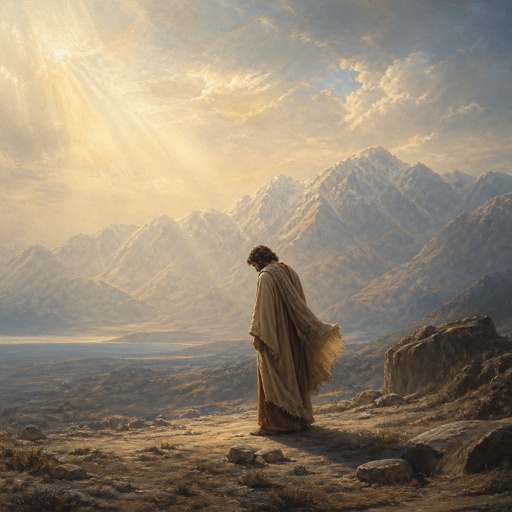
Artwork for Job 4:9

Job 4:9 - "By the blast of God they perish, and by the breath of his nostrils are they consumed."

"By the blast of God they perish, and by the breath of his nostrils are they consumed." - Job 4:9

Job 9:4 - "He is wise in heart, and mighty in strength: who hath hardened himself against him, and hath prospered?"

Job 9:1 - "Then Job answered and said,"

"Then Job answered and said," - Job 9:1

Job 1:9 - "Then Satan answered the LORD, and said, Doth Job fear God for nought?"

Eliphaz speaks to Job in Job 4.

Job 9:9 - "Which maketh Arcturus, Orion, and Pleiades, and the chambers of the south."
"He is wise in heart, and mighty in strength: who hath hardened himself against him, and hath prospered?" - Job 9:4

Job 1:9 no words

Job 1:9 no words

Job 32:4 - "Now Elihu had waited till Job had spoken, because they were elder than he."

Job 42:9 - "So Eliphaz the Temanite and Bildad the Shuhite and Zophar the Naamathite went, and did according as the LORD commanded them: the LORD also accepted Job."

Job 9:29 - "If I be wicked, why then labour I in vain?"

Job 29:9 - "The princes refrained talking, and laid their hand on their mouth."

Job 4:4 - "Thy words have upholden him that was falling, and thou hast strengthened the feeble knees."

Job 4:1 - "Then Eliphaz the Temanite answered and said,"

Job 38:4-7

Job 12:9 - "Who knoweth not in all these that the hand of the LORD hath wrought this?"

Job 39:9 - "Will the unicorn be willing to serve thee, or abide by thy crib?"

Job 37:9 - "Out of the south cometh the whirlwind: and cold out of the north."

Job 9:35 - "Then would I speak, and not fear him; but it is not so with me."

Job 24:9 - "They pluck the fatherless from the breast, and take a pledge of the poor."

Job 9:7 - "Which commandeth the sun, and it riseth not; and sealeth up the stars."

Job 36:9 - "Then he sheweth them their work, and their transgressions that they have exceeded."

Job 9:26 - "They are passed away as the swift ships: as the eagle that hasteth to the prey."

Job 9:23 - "If the scourge slay suddenly, he will laugh at the trial of the innocent."

"Which maketh Arcturus, Orion, and Pleiades, and the chambers of the south." - Job 9:9

Job 30:9 - "And now am I their song, yea, I am their byword."

"Which maketh Arcturus, Orion, and Pleiades, and the chambers of the south." - Job 9:9