The Silence of Suffering: Finding Hope in Despair
“And why dost thou not pardon my transgression, and take away mine iniquity? for now shall I sleep in the dust; and thou shalt seek me in the morning, but I shall not be.” — Job 7:21
Job 7:21 (KJV) tells us: "And why dost thou not pardon my transgression, and take away mine iniquity? for now shall I sleep in the dust; and thou shalt seek me in the morning, but I shall not be."
This verse encapsulates a moment of raw vulnerability and desperation as Job, amidst his profound suffering, questions God’s silence and apparent absence. Job, a man who was described as upright and blameless, found himself in an agonizing predicament - stripped of wealth, health, and the comfort of family. Despite his integrity, he faced immense suffering, and it forced him into a deep theological reflection on sin, suffering, and divine justice.
In this moment of despair, Job’s lament resonates deeply with any suffering heart. His cry, "why dost thou not pardon my transgression?" showcases a fundamental struggle with the nature of God - a struggle that many individuals face. It’s natural to associate suffering with sin, leading to the question: is my punishment justified? Is God distant, or have I done something to warrant this pain? In such moments of hurt, we may find ourselves grappling with similar questions.
Job's reference to 'iniquity' suggests an awareness of his own imperfections. The truth is, we all bear the weight of transgression. Sin creates a chasm between us and the holiness of God, often magnifying our feelings of loneliness in distress. It’s easy to become ensnared in a cycle of self-condemnation, questioning whether we are worthy of God’s grace, especially when we’re in the midst of suffering. Nevertheless, we must remember the central theme of the Gospel—that God's grace is immeasurable. It’s not limited by our shortcomings or circumstances, and it calls us to lay our burdens before Him.
Analyzing Job’s plight reveals an essential truth about suffering: it can lead us not only to question God but also to pursue a deeper understanding of our faith. In his darkest hour, Job expresses the frailty of human life—"for now shall I sleep in the dust"—reminding us of our mortality and the temporary nature of our earthly struggles. This allusion to death signified more than an end; it was a recognition that earthly suffering could overshadow eternal hope. Here, Job is not merely lamenting his lost treasures; he reflects on the ultimate destiny of mankind and the longing for reprieve beyond life’s trials.
Job's heart-wrenching realization, that "thou shalt seek me in the morning, but I shall not be," evokes the stark and sorrowful realization of separation from God in death. It’s a poignant reminder that our time here is finite, and the heart's yearning for connection with God intensifies amidst despair. The beauty of this verse, however, lies not solely in Job’s despair but in the perspective it provides for the faithful believer. Even in his pain, Job acknowledges God's sovereignty and justice. While he does not receive immediate answers, his honest conversation with God exemplifies a profound aspect of faith – the willingness to present one's struggles before the Lord, trusting that He hears.
In light of Job's questions, we're encouraged to engage with God rather than recoil in silence during our suffering. It’s within those vulnerable moments that we may experience the most profound encounters with God. We can ask rugged questions like Job did—"Why?" and "How long?"—not as a denial of faith but as an assertion of our relationship with the Almighty.
Thus, let us take courage in Job's story. We are reminded that God does not shy away from the difficult questions. His grace holds us, even in our deepest despair. While we may wrestle with our understanding of suffering, let us turn to God in our anguish, allowing our questions to draw us closer to Him. Each cry for mercy is an invitation not only to be heard but to be transformed, igniting our hope in the promise of restoration and spiritual renewal that comes through Christ.
May we cast our burdens and questions at His feet, trusting in the richness of His grace that can silence our deepest fears and doubts.
Get our apps


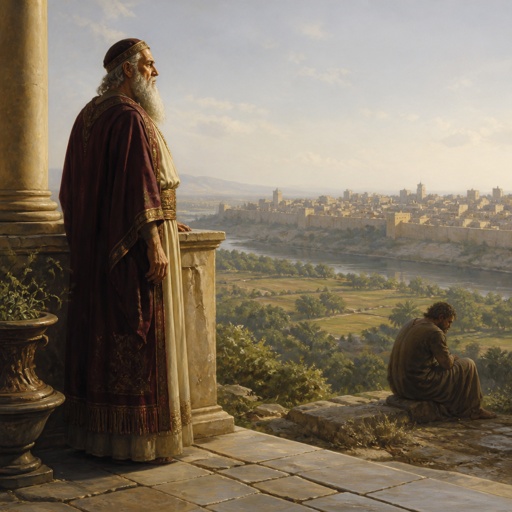
Artwork for Job 7:21

Job 7:21 - "And why dost thou not pardon my transgression, and take away mine iniquity? for now shall I sleep in the dust; and thou shalt seek me in the morning, but I shall not be."

"And why dost thou not pardon my transgression, and take away mine iniquity? for now shall I sleep in the dust; and thou shalt seek me in the morning, but I shall not be." - Job 7:21

Job 21:7 - "Wherefore do the wicked live, become old, yea, are mighty in power?"
"Wherefore do the wicked live, become old, yea, are mighty in power?" - Job 21:7

Job 21:1 - "But Job answered and said,"

"But Job answered and said," - Job 21:1

Job 1:21

Job 1:21

Job 3:20-21 - "Job 3:20-21: Why is light given to those in misery, and life to the bitter of soul, to those who long for death that does not come, who search for it more than for hidden treasure?"

Job 21:21 - "For what pleasure hath he in his house after him, when the number of his months is cut off in the midst?"

Job 34:7 - "What man is like Job, who drinketh up scorning like water?"

Job 21:12 - "They take the timbrel and harp, and rejoice at the sound of the organ."

Job 21:8 - "Their seed is established in their sight with them, and their offspring before their eyes."

Job 21:2 - "Hear diligently my speech, and let this be your consolations."

Job 1:7

Job 1:7

Job 1:7

Job 21:13 - "They spend their days in wealth, and in a moment go down to the grave."

Job 21:18 - "They are as stubble before the wind, and as chaff that the storm carrieth away."

Job 18:21 - "Surely such are the dwellings of the wicked, and this is the place of him that knoweth not God."

Job 21:24 - "His breasts are full of milk, and his bones are moistened with marrow."

Job 12:21 - "He poureth contempt upon princes, and weakeneth the strength of the mighty."

Job 21:11 - "They send forth their little ones like a flock, and their children dance."

Job 21:10 - "Their bull gendereth, and faileth not; their cow calveth, and casteth not her calf."

Job 21:16 - "Lo, their good is not in their hand: the counsel of the wicked is far from me."

Job 40:21 - "He lieth under the shady trees, in the covert of the reed, and fens."

Job 21:25 - "And another dieth in the bitterness of his soul, and never eateth with pleasure."

Job 21:32 - "Yet shall he be brought to the grave, and shall remain in the tomb."

Job 24:21 - "He evil entreateth the barren that beareth not: and doeth not good to the widow."

Job 3:21 - "Which long for death, but it cometh not; and dig for it more than for hid treasures;"