The Good Shepherd: A Call to Genuine Care
“But he that is an hireling, and not the shepherd, whose own the sheep are not, seeth the wolf coming, and leaveth the sheep, and fleeth: and the wolf catcheth them, and scattereth the sheep.” — John 10:12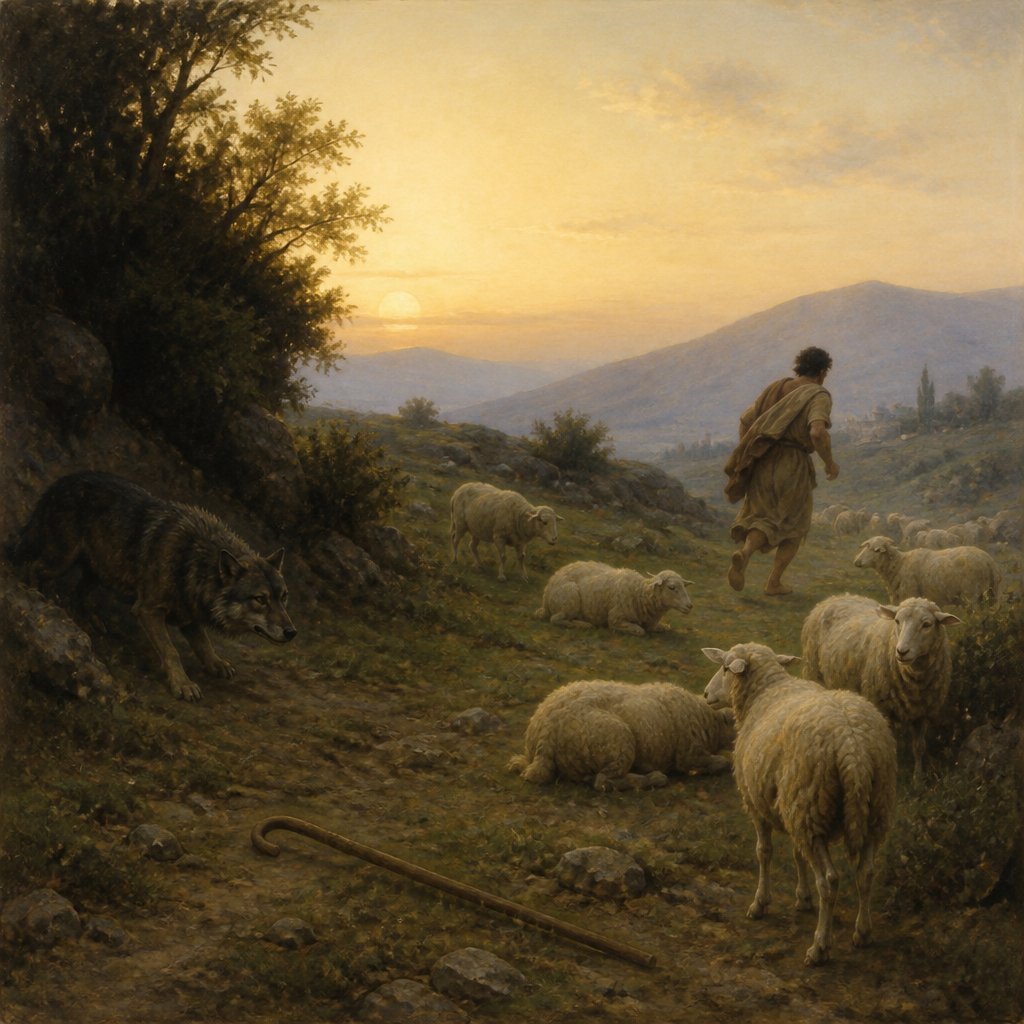
In the Gospel of John, chapter 10, verse 12, we encounter a profound warning from Jesus: "But he that is an hireling, and not the shepherd, whose own the sheep are not, seeth the wolf coming, and leaveth the sheep, and fleeth: and the wolf catcheth them, and scattereth the sheep." This verse shines a spotlight on the contrasting characters of the hireling and the true shepherd, inviting us to reflect deeply on our own lives and our calling as followers of Christ.
### Understanding the Characters: The Hireling vs. the Shepherd
At first glance, Jesus' words might seem simple, yet they contain layers of meaning that enlighten our understanding of spiritual leadership. The hireling is one who does not own the sheep; they are merely a caretaker or a laborer whom the shepherd has employed. When danger approaches—represented here as the wolf—the hireling abandons the flock; he does not have a vested interest in their well-being. His motivation is rooted in self-preservation rather than genuine care.
On the other hand, the Good Shepherd fiercely protects his flock, for they belong to him. He knows them intimately, and they recognize his voice. This setting is further enriched by understanding that the sheep symbolize believers, and the wolf represents both external and internal threats to our faith. The Good Shepherd stands firm against these threats, embodying sacrificial love.
### Reflecting on Our Role
As we meditate on this verse, we must ask ourselves: Are we acting like hirelings or like true shepherds in our spheres of influence? How often do we withdraw when challenges arise or when our emotional or spiritual reponsibility feels burdensome? Whether we bear the titles of parent, teacher, friend, or mentor, we are called to embody the same commitment and sacrificial spirit evident in Christ.
The hireling flees when danger knocks at the door, leaving those under his care vulnerable. In our lives, this could mean shying away from uncomfortable conversations, avoiding confrontation with sin among those we love, or neglecting to guide others back to the truth during times of spiritual famine. We are called to stand firm, advocating for love and light, rather than retreating into safety when trials arise.
### The Consequences of Leaving
Jesus warns us about the dire ramifications that follow the hireling's actions: "...and the wolf catcheth them, and scattereth the sheep." This scattering is a sobering image, as it depicts vulnerability and disconnection, a loss of community and security. When we do not take our roles seriously, we inadvertently create space for fear and confusion, allowing the enemy to chip away at our foundations of faith and community.
### Finding Our Strength
In the face of daunting challenges, how do we ensure we do not act like hirelings? First, we must cultivate a deep, personal relationship with the Good Shepherd. We need to seek His guidance through prayer, Scripture, and fellowship. By immersing ourselves in God’s Word, we can discern when the wolf approaches, giving us the clarity and wisdom required to protect and nourish those around us instead of allowing fear to drive us away.
Secondly, we are reminded that our strength comes from knowing we are His sheep. We are not operating solely on our own strength, but through the grace and power of the Holy Spirit working in us. When we recognize our identity in Christ and surrender our fears, we can be confident in His promise to be with us in every storm.
### Conclusion: A Call to Action
In closing, let us remember that we are not merely positions of authority or caregivers; we are entrusted stewards of God’s love and faithfulness. Our calling is to emulate Christ, the Good Shepherd—standing firm, protecting those God has placed under our care. Let us reject the temptations of hireling behavior, leaning on God’s strength and embracing our role as shepherds in a world that desperately needs His guidance and comfort. May we pray for courage to protect, nurture, and lead, so that we may reflect the heart of our Savior in every aspect of our lives.
Get our apps


Artwork for John 10:12

John 10:12 - "But he that is an hireling, and not the shepherd, whose own the sheep are not, seeth the wolf coming, and leaveth the sheep, and fleeth: and the wolf catcheth them, and scattereth the sheep."
"But he that is an hireling, and not the shepherd, whose own the sheep are not, seeth the wolf coming, and leaveth the sheep, and fleeth: and the wolf catcheth them, and scattereth the sheep." - John 10:12

John 12:10 - "¶ But the chief priests consulted that they might put Lazarus also to death;"
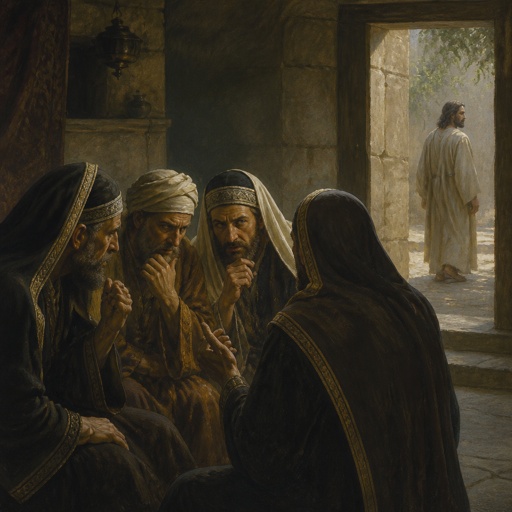
"¶ But the chief priests consulted that they might put Lazarus also to death;" - John 12:10

John 10:10

John 10:10

John 10:10

John 10:10

John 10:10

John 10:10

John 10:10

John 6:12

John 8:12

John 10:41 - "And many resorted unto him, and said, John did no miracle: but all things that John spake of this man were true."

John 12:25

John 8:12

John 8:12

John 8:12

John 12:3

John 8:12

John 10:30
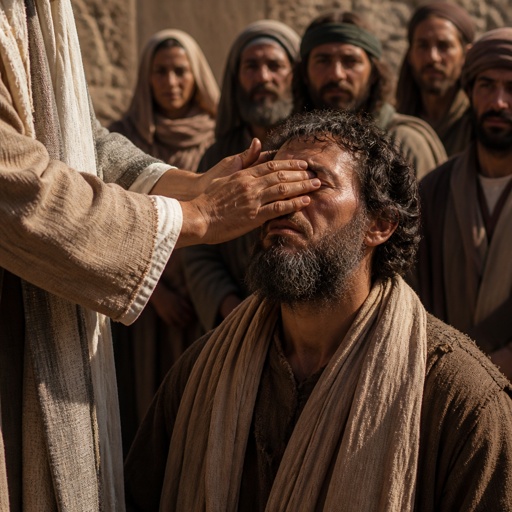
John 9:10

John 10:30

John 10:9

John 10:9

John 10:9

John 20:11-12

John 10:40 - "And went away again beyond Jordan into the place where John at first baptized; and there he abode."

John 12:12 - "¶ On the next day much people that were come to the feast, when they heard that Jesus was coming to Jerusalem,"

Ezra 10:10-12