The Courage to Stand: Christ’s Call Amidst Opposition
“Then the Jews took up stones again to stone him.” — John 10:31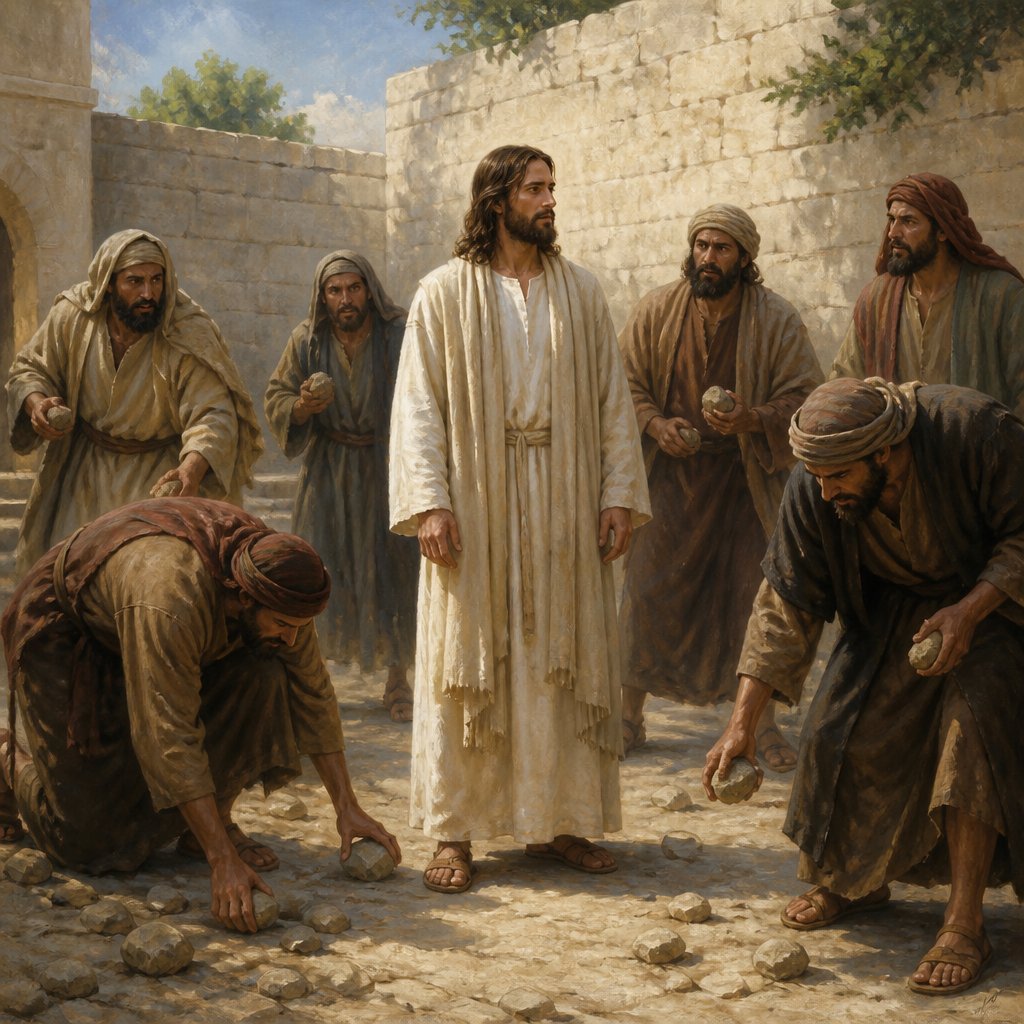
As we delve into John 10:31, where it states, "Then the Jews took up stones again to stone him," we must confront the stark reality of opposition that Jesus faced throughout His ministry. This moment in scripture reveals not just the physical threat Jesus encountered, but also the spiritual and ideological battle that raged around Him and continues to this day.
In this passage, we find Jesus at a pivotal moment, having just proclaimed, "I and my Father are one" (John 10:30). This powerful declaration stirred the hearts of the Jews, igniting their anger and leading them to pick up stones—a primitive, yet revealing act of hostility towards the truth. It is crucial to recognize that this hostility was borne out of a mixture of fear, misunderstanding, and a desperate clinging to their established beliefs. Jesus' claim directly challenged their understanding of God, authority, and the implications of His divinity.
When we reflect on this verse, we are beckoned to evaluate our own responses to truth, particularly the truth of Christ’s identity and mission. Much like the Jews, we may find ourselves at odds with the truths presented in the scriptures. In a world where cultural viewpoints often clash with biblical doctrines, how do we respond when faced with unpopular truths? Do we respond with the stones of criticism, doubt, and hostility, or do we seek to understand and embrace the profound implications of Jesus’ words?
The act of picking up stones reflects a deep-seated desire to protect one's convictions at all costs. However, as believers, we are called to embrace a different response. In a world where we may feel pressured to cast stones—either towards others or in self-defense against challenging truths—the call of Jesus is to lay down our stones. This act symbolically represents a willingness to come before God with open hearts and to seek understanding rather than confrontation.
Jesus, in the face of this hostility, does not respond with violence or anger; He instead engages with those who oppose Him. He challenges them with questions, inviting them to reconsider their stance. This offers us an profound lesson in confrontation: rather than retaliating when faced with hostility, we should strive for dialogue and understanding. Our calling as Christians is not to perpetuate hostility but to extend grace, seeking to illuminate rather than to condemn.
Amidst their stones, Jesus points them back to His works, saying, "Many good works have I shewed you from my Father; for which of those works do ye stone me?" (John 10:32). This is a significant reminder for us. When faced with defensiveness or aggression, we should not forget to demonstrate the love and goodness that emanate from our faith. We are reminded that our lives should reflect the works of Christ—acts of love, kindness, and compassion—that can disarm hostility and illuminate truth.
Moreover, the hostility Christ faced foreshadows the ultimate sacrifice He would make for our sins. Enduring the stones—not only of those who aimed to silence Him but ultimately our sins—He chose love over self-preservation. In this, we find our deepest encouragement. When we are confronted and criticized for our beliefs, let us remember Christ's steadfastness in love.
As we journey through life, let us be mindful of how we respond to confrontation and opposition. May we be guided by the Spirit to lay down our stones, engage in love, and share the gospel with a world that desperately needs to herd through the chaos of misunderstanding and hostility towards the light of Christ. Just as Jesus faced the stones with courage, we too can embrace our faith boldly, trusting in God's ultimate plan and purpose, for His grace is sufficient for us in all circumstances.
Get our apps


Artwork for John 10:31

John 10:31 - "Then the Jews took up stones again to stone him."
"Then the Jews took up stones again to stone him." - John 10:31

John 20:30-31

John 13:31-35

John 10:10

John 10:10

John 10:10

John 10:10

John 10:10

John 10:10

John 10:10

Mark 10:31

John 5:31 - "If I bear witness of myself, my witness is not true."

John 16:31 - "Jesus answered them, Do ye now believe?"

John 4:31 - "¶ In the mean while his disciples prayed him, saying, Master, eat."

John 12:31 - "Now is the judgment of this world: now shall the prince of this world be cast out."

Hebrews 10:31 - "It is a fearful thing to fall into the hands of the living God."

Mark 10:31 - "But many that are first shall be last; and the last first."

Isaiah 10:31 - "Madmenah is removed; the inhabitants of Gebim gather themselves to flee."

Ezra 10:31 - "And of the sons of Harim; Eliezer, Ishijah, Malchiah, Shemaiah, Shimeon,"

John 10:41 - "And many resorted unto him, and said, John did no miracle: but all things that John spake of this man were true."

John 10:30

John 6:31 - "Our fathers did eat manna in the desert; as it is written, He gave them bread from heaven to eat."

John 13:31 - "¶ Therefore, when he was gone out, Jesus said, Now is the Son of man glorified, and God is glorified in him."

John 1:31 - "And I knew him not: but that he should be made manifest to Israel, therefore am I come baptizing with water."
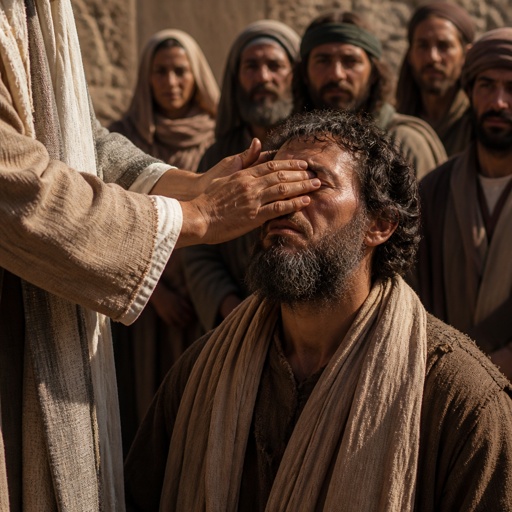
John 9:10

John 10:30

John 10:9

John 10:9

John 10:9