The Dilemma of Divinity: Understanding Christ’s Claim
“The Jews answered him, saying, For a good work we stone thee not; but for blasphemy; and because that thou, being a man, makest thyself God.” — John 10:33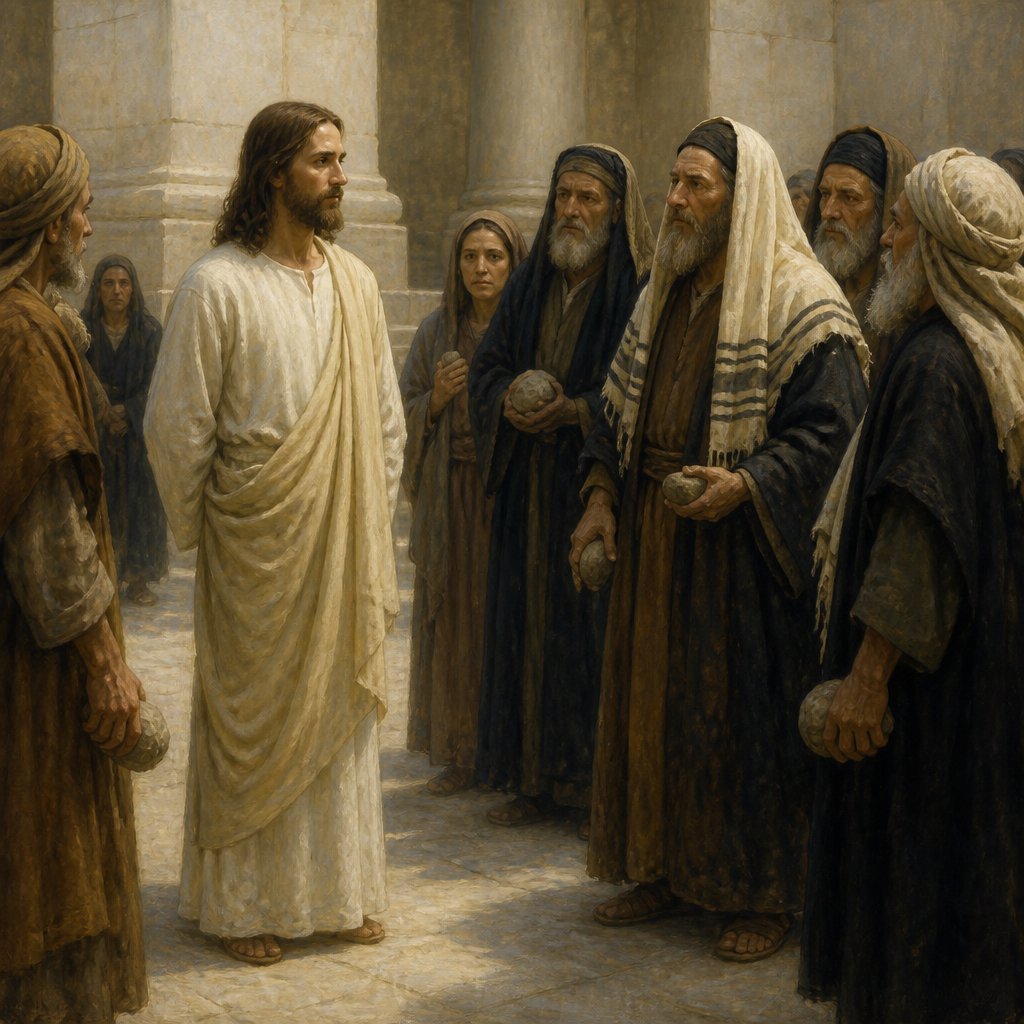
In John 10:33, we encounter a pivotal moment in the ministry of Jesus Christ: "The Jews answered him, saying, For a good work we stone thee not; but for blasphemy; and because that thou, being a man, makest thyself God." This verse resonates with profound implications regarding the nature of Christ, His claims, and the response of humanity to His divine nature. Through it, we find ourselves confronting the tension between acceptance and rejection of the truth about who Jesus is.
### Recognizing the Context
To understand the weight of this statement, we must first appreciate the adversarial environment in which it was made. Jesus had been performing miracles and demonstrating His authority through signs and wonders, leading many to believe in Him. However, the religious leaders were firmly entrenched in their beliefs and were wary of His claims. They were devoted to their interpretation of the Law and were unwilling to consider that their Messiah might not come in the way they expected.
When the Jews declared that they did not stone Him for good works, they acknowledged His miraculous deeds but could not reconcile those acts with the blasphemy of claiming equality with God. Here is the crux of their rejection: they perceived Jesus’ assertion of divine status as a direct challenge to their established beliefs. Their understanding of God’s nature and authority was so rigid that the notion of Jesus— a man who walked among them— declaring Himself to be God was simply intolerable.
### The Nature of Blasphemy
In the Jewish tradition, blasphemy was a grave offense, defined as speaking irreverently about God or claiming divine attributes that belonged solely to Him. The charge against Jesus was not made lightly; it stemmed from their belief in a singular, transcendent deity who could not be equated with humanity.
What the Jews failed to grasp was the mystery of the Incarnation—the belief that Jesus was both fully God and fully man. In their legalistic understanding, they limited God to their expectations and interpretations, thereby rendering them incapable of recognizing His true nature. This incident warns us about the dangers of having a closed mindset when approaching spiritual truths. How often do we, too, miss the divine in our midst because it does not fit our preconceived notions?
### The Claims of Christ
When Jesus claimed to be one with the Father, He presented Himself as not just the messenger, but the message itself. His identity as the Son of God is not merely a theological point; it lies at the heart of the gospel. If Jesus is who He claims to be, then His life, death, and resurrection must bear significant weight in how we view ourselves and our relationship with God.
In these verses, we face our own convictions. When we stumble upon the claims of Jesus in our lives, do we acknowledge Him as Lord? Or do we, akin to the religious leaders, grapple with His identity and hesitate to fully surrender to His divinity? It’s a challenge that invites us to examine our faith deeply.
### Our Response
The response of the crowd serves as a powerful mirror. In a world filled with doubt, lies, and misunderstandings about who Jesus truly is, our faith must rise to meet the challenge. We are called to recognize that Jesus is not just another prophet or wise teacher; He is God incarnate. The decision to embrace or reject Christ’s divine identity shapes our spiritual journey.
As we meditate on this verse, let us consider our own perception of Jesus. Are we placing limits on Him based on our human understanding, or are we open to the transformative truth of His divinity? The call of the gospel is an invitation to engage fully with the reality of who Christ is.
Let us pray: Heavenly Father, help us to recognize the fullness of Christ in our lives. Open our hearts and minds to accept Him not just as a teacher or a healer but as our God and Savior. May we have the courage to embrace His claims and live out our faith in a world that often misunderstands Him. Amen.
Get our apps


Artwork for John 10:33

John 10:33 - "The Jews answered him, saying, For a good work we stone thee not; but for blasphemy; and because that thou, being a man, makest thyself God."
"The Jews answered him, saying, For a good work we stone thee not; but for blasphemy; and because that thou, being a man, makest thyself God." - John 10:33

John 16:33

John 16:33

John 16:33

John 16:33
John 16:33

John 16:33

John 16 : 33

John 1:33

John 5:33 - "Ye sent unto John, and he bare witness unto the truth."

John 9:33 - "If this man were not of God, he could do nothing."

John 12:33 - "This he said, signifying what death he should die."

John 10:10

John 10:10

John 10:10

John 10:10

John 10:10

John 10:10

John 10:10
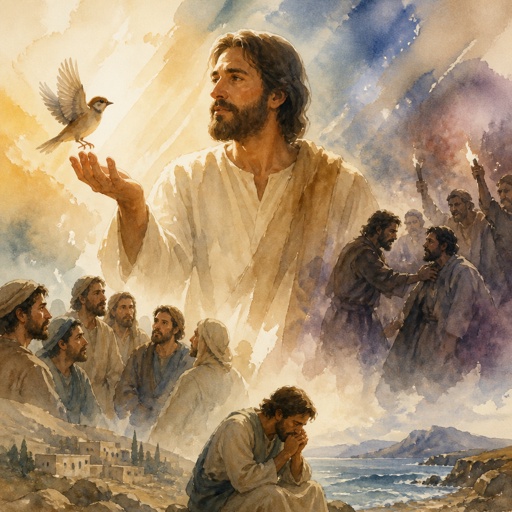
Matthew 10:26-33

John 19:33 - "But when they came to Jesus, and saw that he was dead already, they brake not his legs:"

"Ye sent unto John, and he bare witness unto the truth." - John 5:33

John 3:33 - "He that hath received his testimony hath set to his seal that God is true."

Mark 14:33 - "And he taketh with him Peter and James and John, and began to be sore amazed, and to be very heavy;"

John 4:33 - "Therefore said the disciples one to another, Hath any man brought him ought to eat?"

John 6:33 - "For the bread of God is he which cometh down from heaven, and giveth life unto the world."

Numbers 33:10 - "And they removed from Elim, and encamped by the Red sea."

John 18:33 - "Then Pilate entered into the judgment hall again, and called Jesus, and said unto him, Art thou the King of the Jews?"

Luke 7:33 - "For John the Baptist came neither eating bread nor drinking wine; and ye say, He hath a devil."