Awake in His Presence: Understanding True Sleep and Wakefulness
“Then said his disciples, Lord, if he sleep, he shall do well.” — John 11:12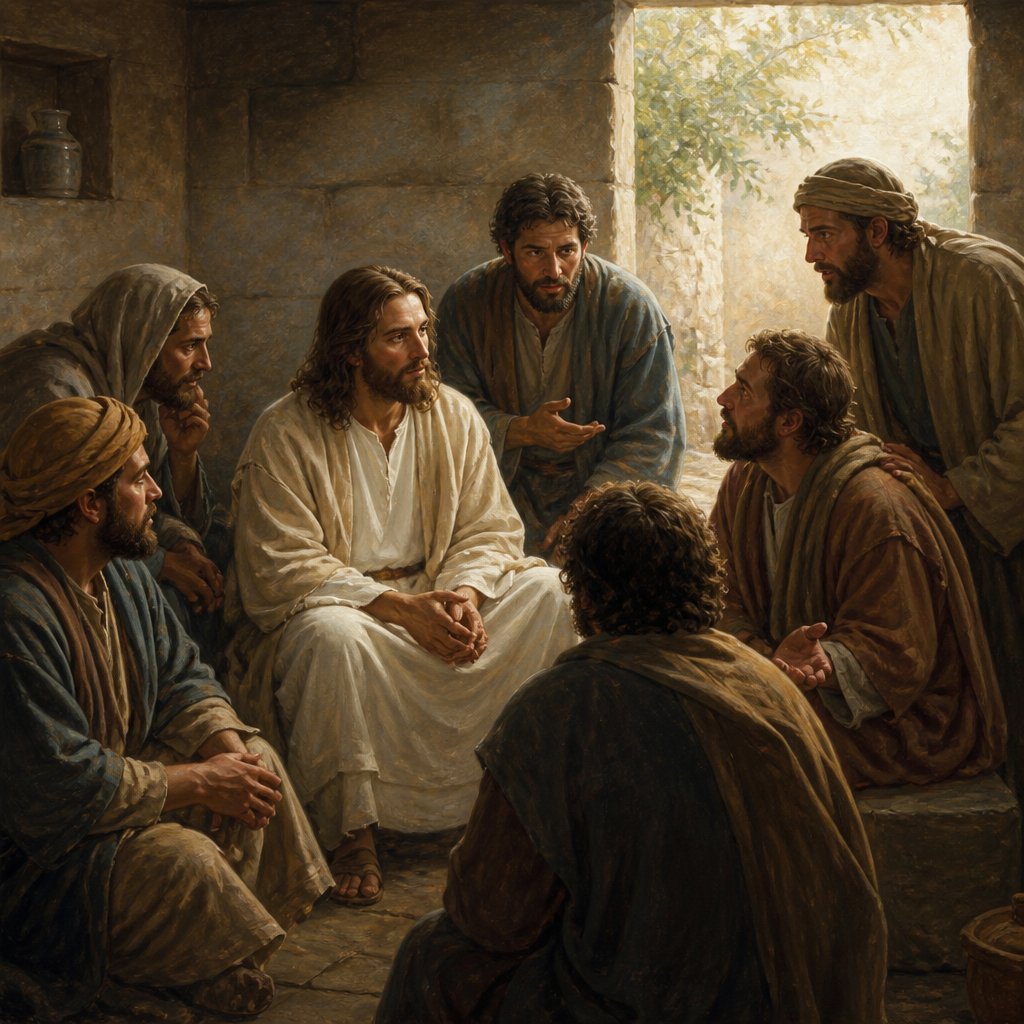
**Introduction: The Context of John 11:12**
In the eleventh chapter of John, we find the account of Lazarus, Jesus’ dear friend. After receiving word that Lazarus was ill, Jesus deliberately delayed His visit, stating, "This sickness is not unto death, but for the glory of God." (John 11:4 KJV). Once Jesus finally indicated His intention to go to Judea, He communicated to His disciples that Lazarus had slept, prompting them to respond with confusion, saying, “Lord, if he sleep, he shall do well” (John 11:12 KJV). This moment captures a profound truth that transcends the immediate context of physical sleep and illness, inviting us to explore what it means to truly awaken to God’s presence.
**Sleep as a Metaphor for Death**
Jesus’ statement that Lazarus is asleep symbolizes a transition. In scripture, sleep often serves as a metaphor for death. In Matthew 9:24, Jesus referred to a deceased girl as merely sleeping, indicating that death is not the end but rather a temporary state for those who believe in Him. For the disciples, their comprehension was limited by their understanding of the natural world; they lacked the insight into the spiritual reality that Jesus was presenting. They equated sleep with rest and healing, missing the deeper significance of resurrection that Jesus had come to demonstrate.
**The Disciples’ Response: A Lesson in Belief**
The disciples’ response, “if he sleep, he shall do well,” reflects a common reaction among humanity—we often cling to what seems comforting and safe. The disciples showed a willingness to believe that Lazarus would recover simply by resting. Yet, in doing so, they underestimated the power of Christ and the very purpose of His presence among them.
**The Call to Spiritual Awareness**
As modern believers, we are often numb to the spiritual realities surrounding us. We may find ourselves in a similar position to the disciples, relying on our human perspectives rather than trusting in God’s greater plan. Compassion can lead us to wish for relief—situated firmly in the natural realm—rather than seeking a deeper intimacy with God through trials. Jesus’ statement invites us to awaken from our spiritual slumber to understand that He holds authority over both sleep and death.
**Awakening to God’s Glory**
By calling Lazarus' death sleep, Jesus sets the stage for a profound revelation of God’s glory. It was not merely about physical healing but about unveiling a greater truth: that He came to conquer death itself. Jesus intended not only to bring Lazarus back to life but to perform a miracle that would strengthen the faith of His disciples, revealing His identity as the resurrection and the life (John 11:25). Just as the disciples were slowly introduced to this revelation, we too are called to awaken to the broader narrative of God’s work in our lives—one that often requires us to let go of our own understandings and embrace faith.
**Responding to Our Sleep**
In examining our lives, we may find areas where we have fallen asleep spiritually—whether through complacency, fear, or doubt. Like the disciples, we can be quick to settle for what seems ‘well’ and comfortable, overlooking God’s desire to do the extraordinary. This moment challenges us to look beyond our earthly understanding and ask ourselves about the areas where we need to wake up. Are we extending our faith to see God’s glory revealed?
**Conclusion: Awakening Together**
Jesus' intention in this account was not just for Lazarus, but also for His disciples, and ultimately for us today. His command to awaken from sleep doesn’t merely call us from rest; it beckons us into a dynamic relationship with the resurrection power he embodies. As we consider John 11:12, let us strive to awaken to the reality of who Christ is. In recognizing Jesus' hand in our circumstances, we can attend to the `sleeping` parts of our spirits and embrace His living promise. May we declare in our own lives, "Awake, O complacency! My God is at work beyond what my eyes can see!" Let this truth resonate in us as we seek to live fully awake to His presence.
Get our apps


Artwork for John 11:12

John 11:12 - "Then said his disciples, Lord, if he sleep, he shall do well."
"Then said his disciples, Lord, if he sleep, he shall do well." - John 11:12

John 20:11-12

John 12:11 - "Because that by reason of him many of the Jews went away, and believed on Jesus."

Matthew 3:11-12

Matthew 11:12 - "And from the days of John the Baptist until now the kingdom of heaven suffereth violence, and the violent take it by force."

Matthew 3:11-12

John 11:11-12 - "He saith unto them, Our friend Lazarus sleepeth; but I go, that I may awake him out of sleep. Then said his disciples, Lord, if he sleep, he shall do well."
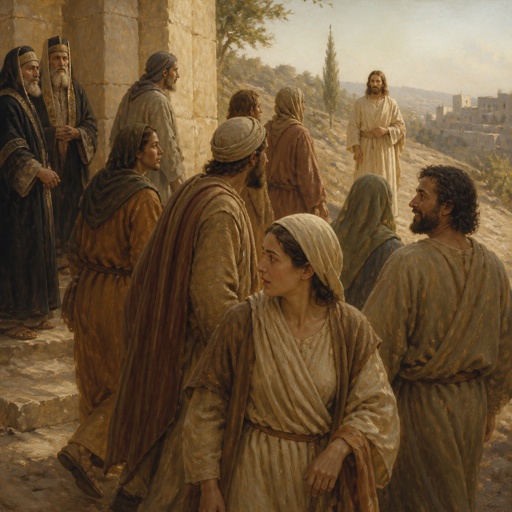
"Because that by reason of him many of the Jews went away, and believed on Jesus." - John 12:11

John 1:1-2

John 1:1-2

John 1:1-2

John 1:1-2

John 1:1-2
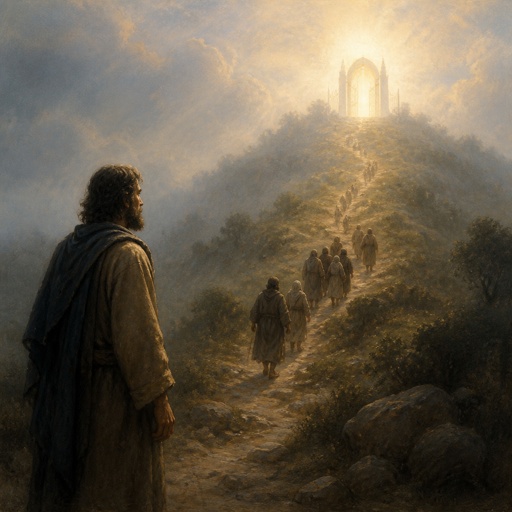
"And from the days of John the Baptist until now the kingdom of heaven suffereth violence, and the violent take it by force." - Matthew 11:12

1 John 4:11-12 - "Beloved, if God so loved us, we also ought to love one another. No one has ever seen God; if we love one another, God abides in us and his love is perfected in us."

John (11:35) Jesus wept.

1 John 3:11-12 - "For this is the message that ye heard from the beginning, that we should love one another. Not as Cain, who was of that wicked one, and slew his brother. And wherefore slew he him? Because his own works were evil, and his brother's righteous."

John 6:12

John 8:12
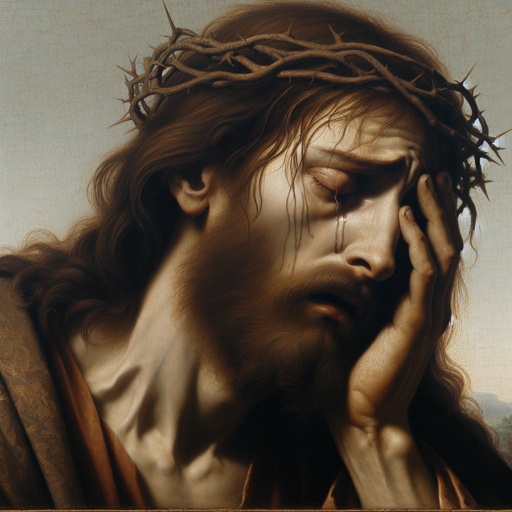
John (11:35) Jesus wept.

John (11:35) Jesus wept.

John 11:35

John 15.1-11

John 11:35

John 12:25

John 8:12

John 8:12

John 8:12
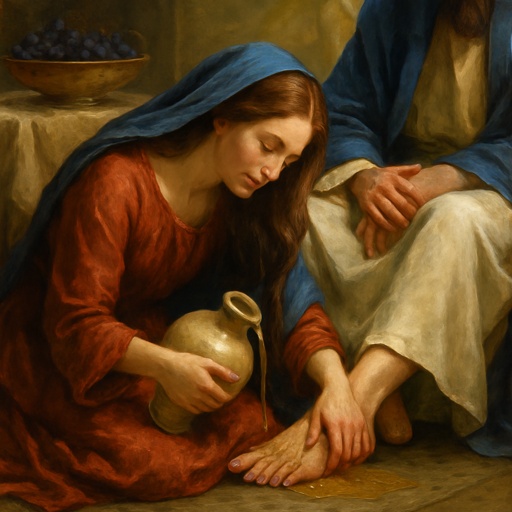
John 12:3