The Death that Leads to Life: Understanding John 11:14
“Then said Jesus unto them plainly, Lazarus is dead.” — John 11:14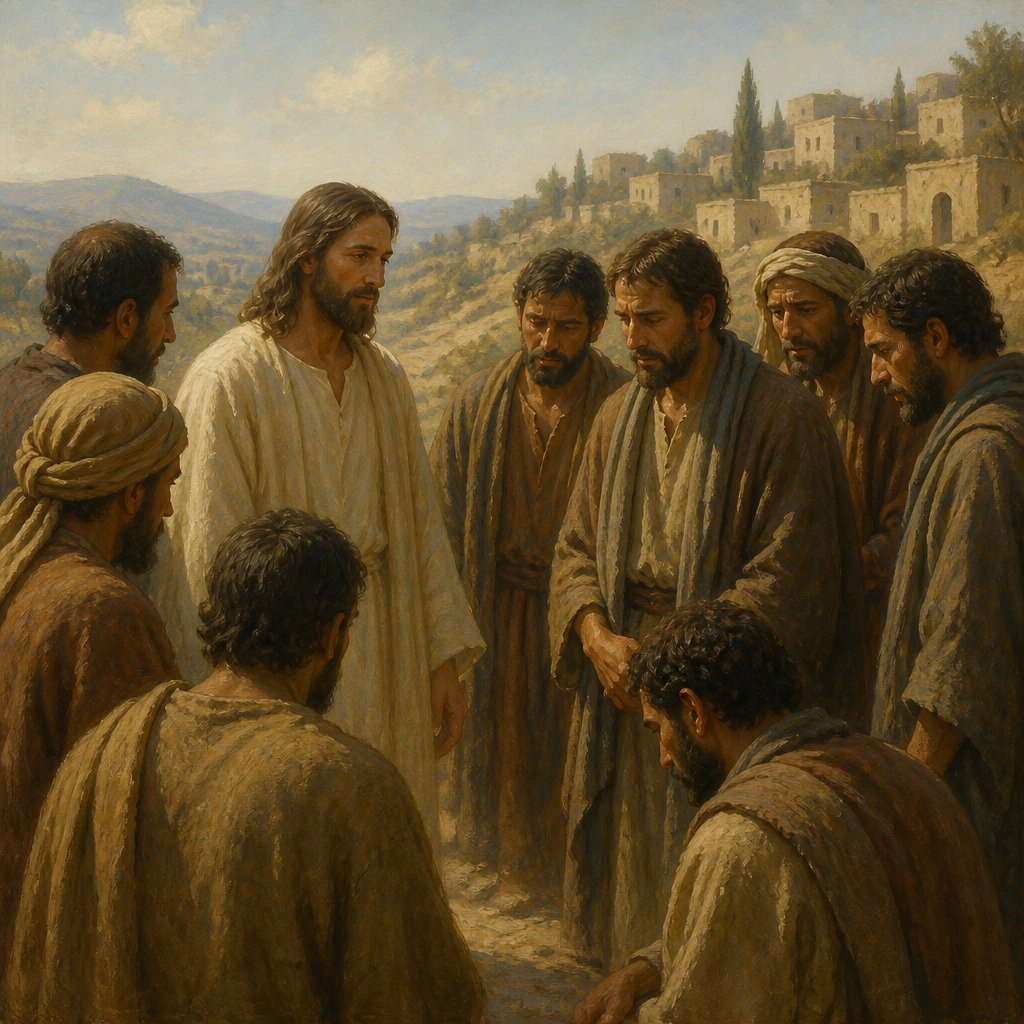
In the Gospel of John, chapter 11, we encounter one of the most poignant and stirring stories of Jesus’ ministry, the raising of Lazarus. In John 11:14, we find Jesus saying, "Then said Jesus unto them plainly, Lazarus is dead." At first glance, this statement carries a weight that goes beyond mere information; it unveils the heart of Jesus’ mission on earth: to confront, transform, and give hope amidst the ultimate human condition—death.
When Jesus declares, "Lazarus is dead," He is speaking to a group enveloped in confusion and grief. Mary and Martha, the sisters of Lazarus, had sent word to Jesus that their brother was gravely ill. However, despite their urgent message, Jesus delayed His arrival. By the time He reaches Bethany, Lazarus has been in the tomb for four days. The severity of this situation highlights not only the physical state of Lazarus but also the emotional and spiritual turmoil that envelops those he left behind.
The urgency of Martha's message to Jesus was palpable. They had faith that He could heal Lazarus, and in their hearts, they must have wondered why He had not come in time. When Jesus finally approaches the grieving sisters, He offers them a perspective that encompasses a more profound truth amidst their despair. The statement, "Lazarus is dead," starkly presents the reality of death, yet it also serves as a segway into His divine purpose. This declaration is not merely about loss; it sets the stage for a revelation about life and resurrection.
Death, in its many forms, can often feel overwhelming. It could be the passing of a loved one, the end of a relationship, the conclusion of a season of life, or even the death of dreams and aspirations. Just as Jesus unequivocally states Lazarus's physical state, we too must confront the stark realities of life. However, as followers of Christ, we hold onto the promise of resurrection and life that He offers.
In this context, Lazarus's death becomes a powerful metaphor for understanding the life-giving power of Jesus. Jesus' proclamation comes right before an extraordinary display of His authority over death itself. It is significant that following this announcement, He proceeds to call out to Lazarus, saying, "Lazarus, come forth!" (John 11:43). In this miraculous moment, Jesus demonstrates that while death may be a reality, it is not the end of the story. His ability to bring Lazarus back to life signifies the hope for all believers: that physical death does not have the final say.
Furthermore, this miracle reveals a beautiful aspect of Christ’s character. He does not shy away from our pain or the rawness of our suffering. In John 11, we also see Jesus weep (John 11:35). These tears showcase His empathy and compassion, reminding us that He is intimately aware of our struggles and mourning. He shares in our grief and walks with us through our darkest valleys. Thus, in acknowledging the anguish of death, Jesus simultaneously points us toward the hope that lies beyond it.
As we reflect on this powerful statement from Jesus, let us remember that He has the power to resurrect not just our physical bodies but also our spirits, hopes, and dreams. Just because something has died in our lives does not mean it cannot be restored or transformed.
In our moments of despair and helplessness, may we cling to the promises of John 11 as we navigate the complexities of life's losses. Jesus reminds us that every ending can lead to a new beginning when viewed through the lens of faith. Therefore, while we acknowledge the starkness of mortality, we rejoice in the life offered by Christ, who has conquered death and invites us into a relationship with Him that is everlasting.
Get our apps


Artwork for John 11:14

John 11:14 - "Then said Jesus unto them plainly, Lazarus is dead."
"Then said Jesus unto them plainly, Lazarus is dead." - John 11:14
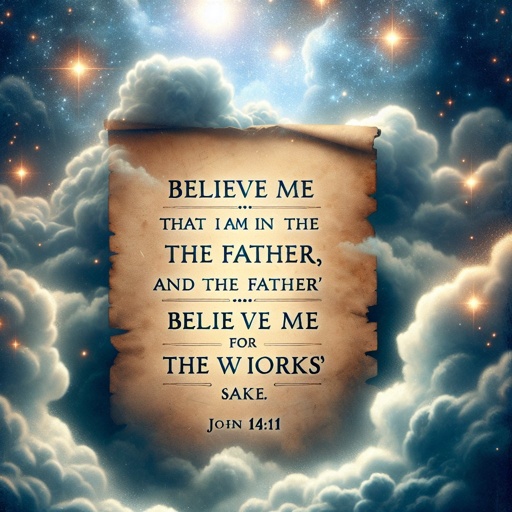
John 14:11 - "Believe me that I am in the Father, and the Father in me: or else believe me for the very works' sake."
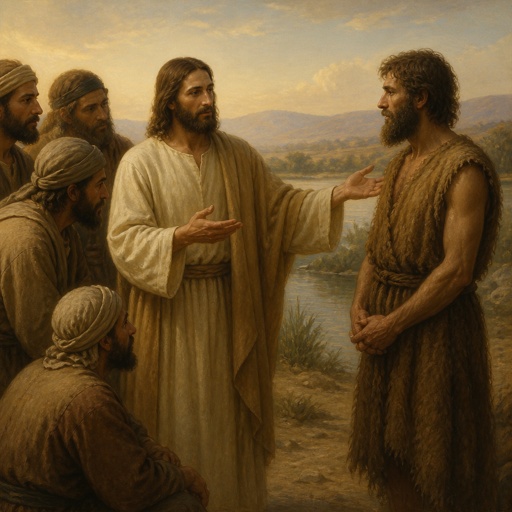
"And if ye will receive it, this is Elias, which was for to come." - Matthew 11:14

John 14

John 14:30
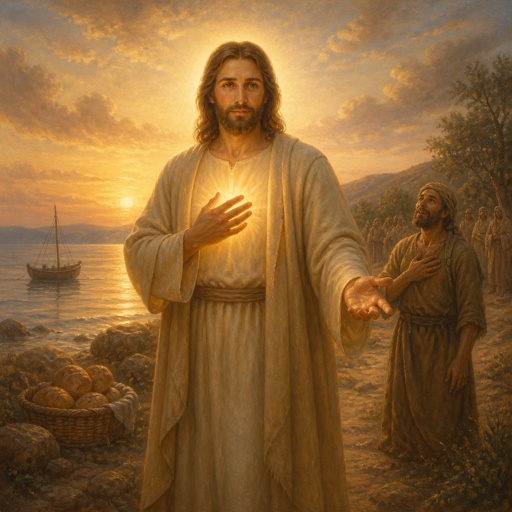
"Believe me that I am in the Father, and the Father in me: or else believe me for the very works' sake." - John 14:11

John 3:14

John 14:16

John 14:6

John 14:28

John 20:14

John 14:14 - "If ye shall ask any thing in my name, I will do it."

John (11:35) Jesus wept.

"And his head was brought in a charger, and given to the damsel: and she brought it to her mother." - Matthew 14:11

John (11:35) Jesus wept.

John (11:35) Jesus wept.

John 11:35

John 15.1-11

John 11:35

John (11:35) Jesus wept.

John (11:35) Jesus wept.

John (11:35) Jesus wept.

Nehemiah 11:11-14

John 14:15-21

John 14:23-29

John (11:35) Jesus wept.

John (11:35) Jesus wept.

John (11:35) Jesus wept.
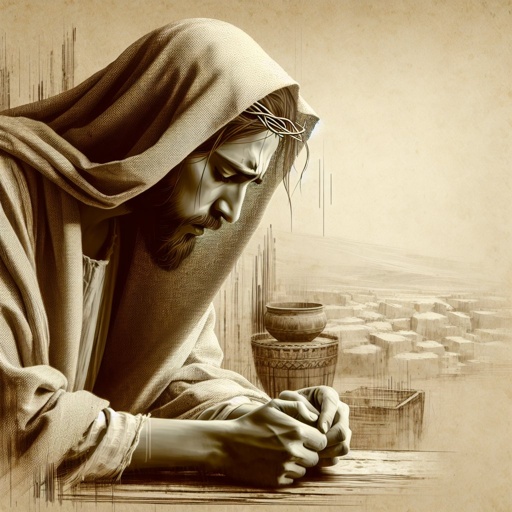
John 11:35 - "Jesus wept."