The Hour of Purpose: Embracing Our Divine Calling
“Now is my soul troubled; and what shall I say? Father, save me from this hour: but for this cause came I unto this hour.” — John 12:27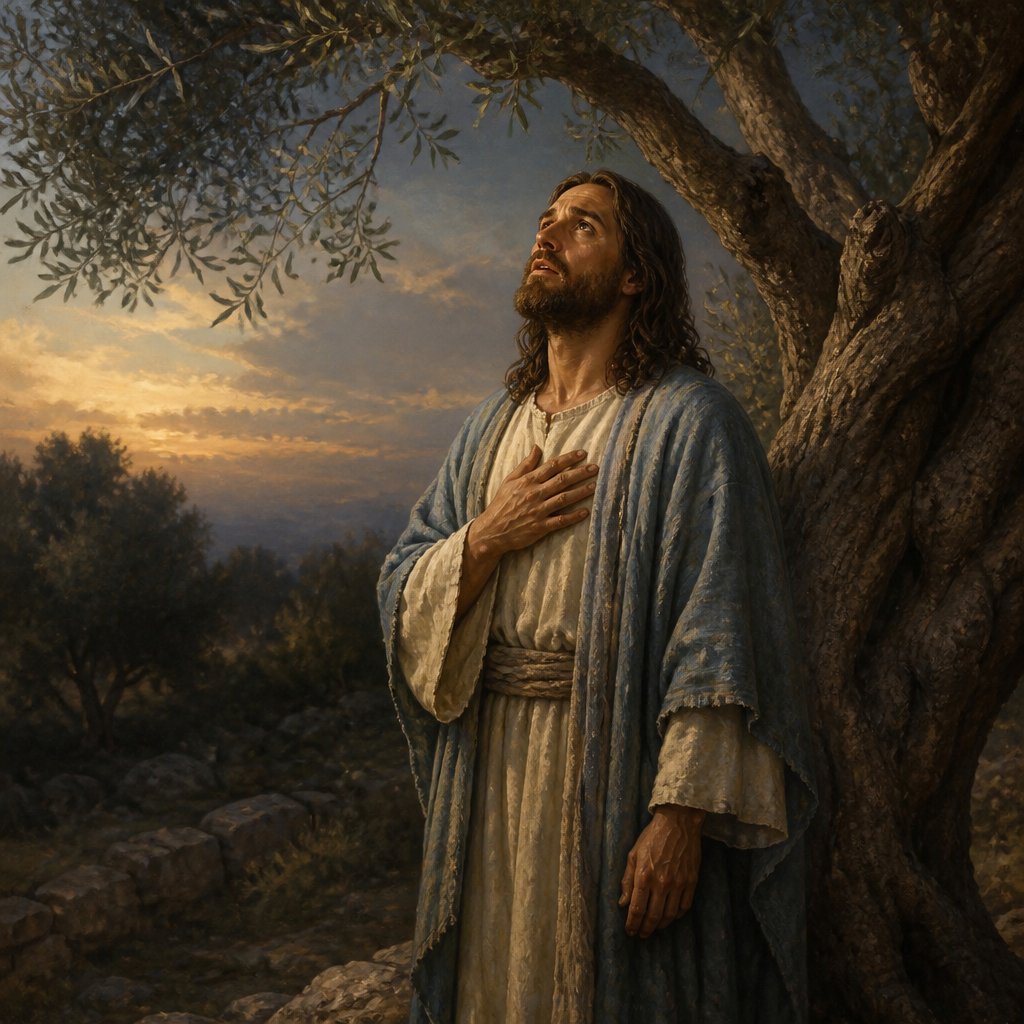
As we explore John 12:27, it’s essential to grasp the profound emotional turmoil expressed in the words of Jesus: "Now is my soul troubled; and what shall I say? Father, save me from this hour: but for this cause came I unto this hour." In these few lines, we encounter the depths of Christ’s humanity intertwined with the divine purpose He came to fulfill. Let us take a moment to reflect on this powerful message and what it means for us in our walk of faith.
In the Gospel of John, we witness Jesus approaching the final moments of His earthly ministry. His confession reveals a duality: the deeply troubled soul of a man facing unimaginable suffering and the unwavering commitment to fulfill His mission. "Now is my soul troubled;"—these words resonate with the struggles of life that each one of us faces. How often do we find ourselves in moments of deep distress, questioning our purpose and the path we are on? Jesus understands our pain and confusion. He experienced it in its fullest measure, knowing the weight of His impending sacrifice, just as we experience our challenges and the burden of our responsibilities.
The next line, "and what shall I say? Father, save me from this hour," speaks volumes about our human instinct to seek deliverance from pain and hardship. Jesus stands at a critical juncture, wrestling with the inevitable trials that lay ahead. His plea to the Father is raw and real; it reflects our desire to escape uncomfortable situations. It is natural to want to avoid suffering, to seek a way out when we face our own troubling hours—be it in our relationships, health, or plans for the future. Yet, the beauty of Jesus’ confession lies in His recognition of a greater calling, as He concludes, "but for this cause came I unto this hour."
Jesus’ acceptance of His purpose encourages us to face our trials with a renewed sense of hope. He acknowledges that every painful moment serves a greater purpose—that there is significance in suffering. The hour He refers to is not merely about impending sacrifice; it encapsulates the fullness of His ministry. From the shadows of the garden of Gethsemane to the agony of the crucifixion, these were not just moments of defeat, but rather, they were the very essence of why He came to earth.
Reflecting on our lives, we must ask ourselves: What is our purpose? Are we willing to embrace the difficult moments as part of our divine calling? Each of us faces challenges that may lead our souls to feel troubled, but God uses these trials to shape us and to mold us for His greater glory. Just as Jesus calmly acknowledged the necessity of His hour, we, too, must recognize that sometimes our hardest moments are the very reasons we exist. We may not always understand why God allows certain events to unfold, yet trusting in His greater plan is essential.
Moreover, Jesus’ cry to the Father invites us to turn to God in our times of trouble. Rather than merely pleading for deliverance, let us ask for strength to endure and wisdom to see the purpose behind our pain. It is a call to prayer—a reminder that it’s okay to express our anguish while simultaneously submitting to God’s will. In Philippians 4:6-7, Paul encourages us by saying, "Be careful for nothing; but in every thing by prayer and supplication with thanksgiving let your requests be made known unto God. And the peace of God, which passeth all understanding, shall keep your hearts and minds through Christ Jesus."
As we meditate on John 12:27, let us remember that our trials are often gateways to profound revelation. They can deepen our relationship with God, develop our character, and lead us toward the purposes He has for us. In the moments when our souls are troubled, may we, like Christ, bravely step forward to embrace our hour with courage and faith. Let us trust that in every challenge, God is at work, preparing us for His divine plan, just as He did through the ultimate sacrifice of His Son.
Get our apps


Artwork for John 12:27
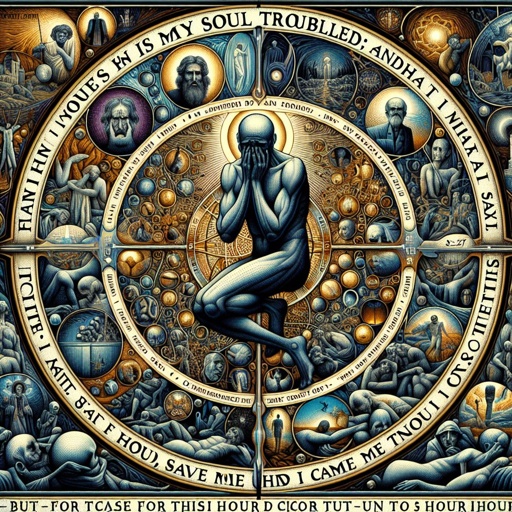
John 12:27 - "Now is my soul troubled; and what shall I say? Father, save me from this hour: but for this cause came I unto this hour."
"Now is my soul troubled; and what shall I say? Father, save me from this hour: but for this cause came I unto this hour." - John 12:27

John 20:27

John 20:27

John 19:25-27

1 John 2:27

John 3:27 - "John answered and said, A man can receive nothing, except it be given him from heaven."

John 19:25-27

1 John 2:27

John 19:26-27

1 John 2:27

1 John 2:27

John 18:27 - "Peter then denied again: and immediately the cock crew."

John 8:27 - "They understood not that he spake to them of the Father."

John 19:25-27 with emphasis on Mary

John 12:26-27 - "If anyone serves me, he must follow me; and where I am, there will my servant be also. If anyone serves me, the Father will honour him. Now is my soul troubled. And what shall I say? 'Father, save me from this hour'? But for this purpose I have come to this hour."

1 Corinthians 12:27
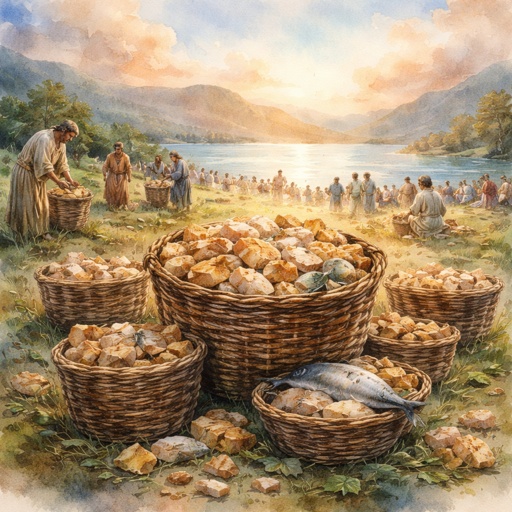
John 6:12

John 8:12

John 12:25

John 8:12

John 8:12

John 8:12

John 12:3

John 8:12

John 10:27 - "My sheep hear my voice, and I know them, and they follow me:"

"They understood not that he spake to them of the Father." - John 8:27

John 15:27 - "And ye also shall bear witness, because ye have been with me from the beginning."

John 20:11-12

John 5:27 - "And hath given him authority to execute judgment also, because he is the Son of man."