The Humble King: Lessons from the Foot Washing
“So after he had washed their feet, and had taken his garments, and was set down again, he said unto them, Know ye what I have done to you?” — John 13:12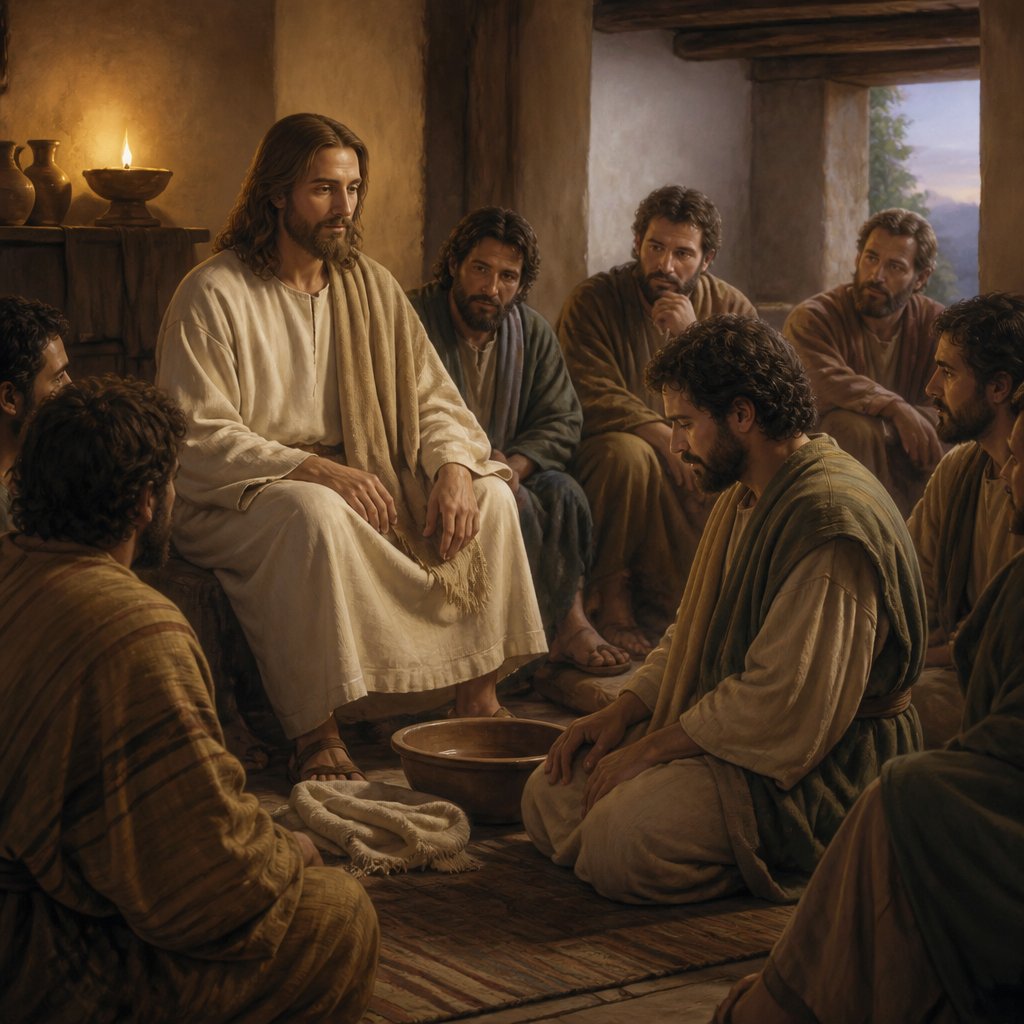
In John 13:12 (KJV), we find a profound moment during the Last Supper, where the Creator of the universe humbles Himself to wash the feet of His disciples: "So after he had washed their feet, and had taken his garments, and was set down again, he said unto them, Know ye what I have done to you?" This scripture encapsulates the essence of Jesus' ministry and the heart of His messages to us, the lessons of humility, servitude, and love.
To grasp the magnitude of this act, we must first understand the cultural significance behind foot washing during biblical times. Feet, often caked with dust and dirt from the roads they walked, were deemed unclean. It was customary for servants or the lowest of household members to perform this menial task. Yet, here stands Jesus, the Messiah, willingly washing the feet of His disciples. This poignant scene serves not merely as a gesture of hospitality but as a radical statement of love and humility.
A rich theological implication emerges when Jesus asks, "Know ye what I have done to you?" (John 13:12). This question compels us to reflect deeply on our understanding of His actions. Jesus, having lived a life dedicated to serving others, invites us to consider our own roles within our communities. How often do we find ourselves seeking positions of honor rather than positions of service? How frequently do we prioritize our comfort over the uncomfortable calls to serve those around us?
In a world that often promotes self-interest and ambition, Jesus turns this paradigm upside down. He exemplifies the nature of true leadership — one that is rooted in servanthood. His act of washing His disciples’ feet was not simply a demonstration of humility; it was an invitation to His followers to adopt a lifestyle of servant leadership. This is echoed later when He declares that the greatest among His followers must be like the youngest, and the one who rules like the one who serves (Luke 22:26).
As Christians, we are called to emulate Christ in our daily lives. This foot washing moment challenges us – How can we serve those around us? Are we willing to kneel before others, figuratively speaking, to meet their needs? It is easy to extend kindness to those who mirror our values or return our affections, but what about those who do not? What about the stranger, the outcast, the one who sins differently than we do? Jesus calls us to step into uncomfortable spaces, to love unconditionally, and to serve without expectation.
The washing of the disciples’ feet was not merely hot water and soap; it was a precursor to the ultimate act of service—the Cross. Jesus, who would soon lay down His life for humanity, exemplified profound love through His sacrificial service. He demonstrated that true love often requires discomfort, sacrifice, and vulnerability. It urges us to see that servanthood is woven into the very fabric of our faith; it is a calling.
As we reflect on Jesus' question, "Know ye what I have done to you?", may we respond with a commitment to serve. Let us take those moments in our day-to-day living to wash feet—whether that means helping a neighbor, engaging in community service, or simply being present for someone in need. Let our actions reflect the heart of a humble King who showed the way for us to live fully in love.
It is my prayer today that we embrace the challenge of humility and servitude in the spirit of Christ. May we find joy in serving others, seeing it as a privilege rather than a burden. As we grow in our understanding of Jesus’ transformative love and humility, may we inspire others to do the same, building a community reflective of His grace and compassion.
Get our apps


Artwork for John 13:12
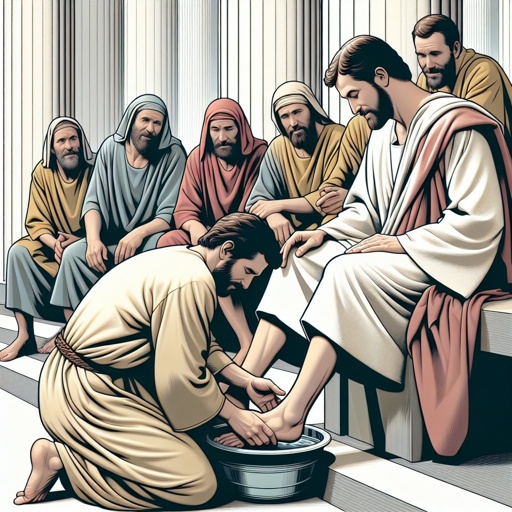
John 13:12 - "So after he had washed their feet, and had taken his garments, and was set down again, he said unto them, Know ye what I have done to you?"
"So after he had washed their feet, and had taken his garments, and was set down again, he said unto them, Know ye what I have done to you?" - John 13:12
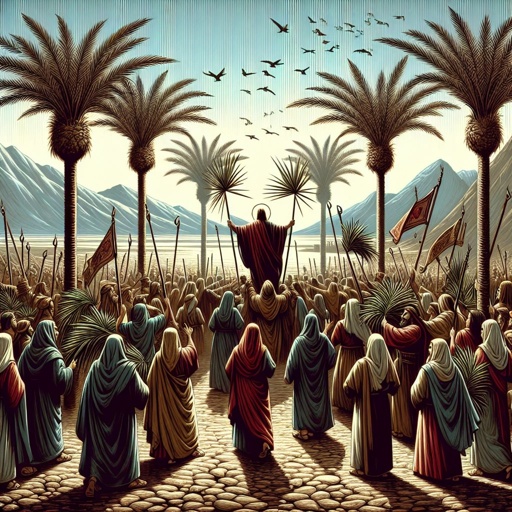
John 12:13 - "Took branches of palm trees, and went forth to meet him, and cried, Hosanna: Blessed is the King of Israel that cometh in the name of the Lord."

John 15:12-13 - "My command is this: Love each other as I have loved you. Greater love has no one than this: to lay down one’s life for one’s friends."

John 13
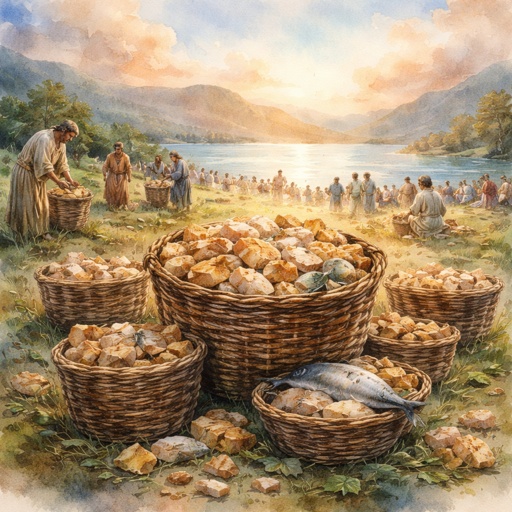
John 6:12

John 8:12

John 12:25

John 8:12

John 8:12

John 8:12
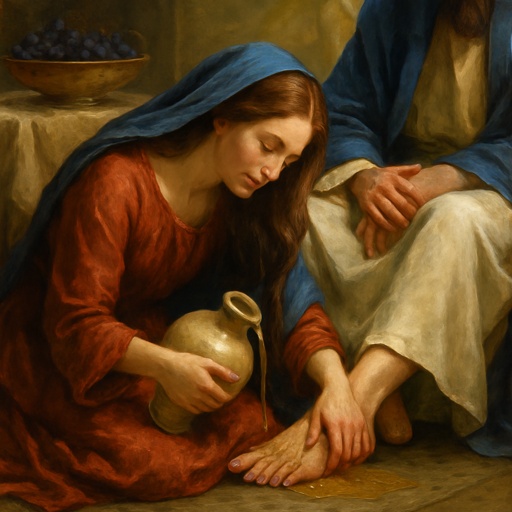
John 12:3

John 8:12

John 13:13 - "Ye call me Master and Lord: and ye say well; for so I am."
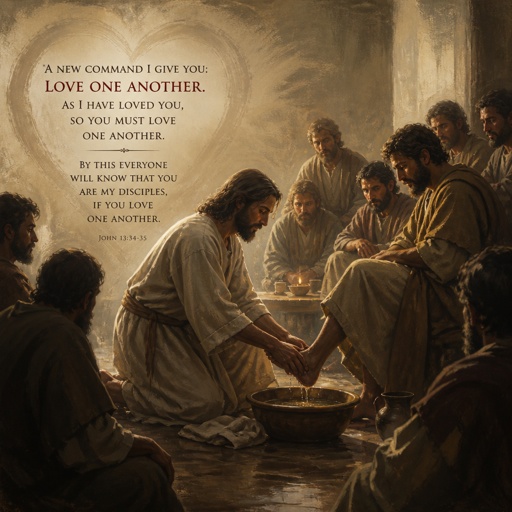
John 13: 34-35

John 13:4-9

JOHN 6:11-13

John 20:11-13
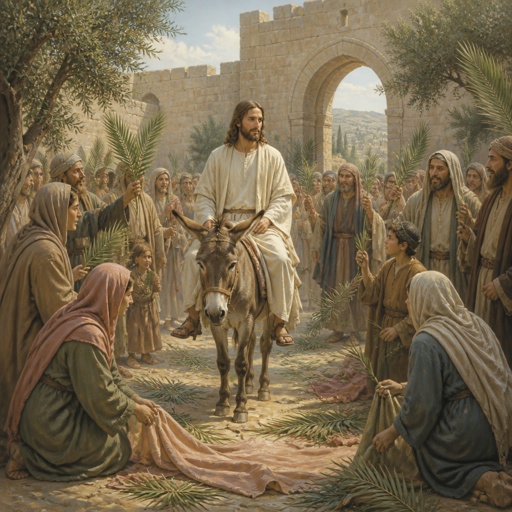
"Took branches of palm trees, and went forth to meet him, and cried, Hosanna: Blessed is the King of Israel that cometh in the name of the Lord." - John 12:13

John 20:11-12

1 John 4:13

John 13:31-35

1 Corinthians 12:12-13

John 12:12 - "¶ On the next day much people that were come to the feast, when they heard that Jesus was coming to Jerusalem,"

John 9:13 - "¶ They brought to the Pharisees him that aforetime was blind."

Matthew 11:13 - "For all the prophets and the law prophesied until John."

John 2:13 - "¶ And the Jews' passover was at hand, and Jesus went up to Jerusalem,"

John 10:13 - "The hireling fleeth, because he is an hireling, and careth not for the sheep."

John 19:12-13 - "From then on, Pilate tried to release him, but the Jews cried out, "If you let this man go, you are no friend of Caesar. Anyone who claims to be a king opposes Caesar." When Pilate heard this, he brought Jesus out and sat down on the judge's seat at a place known as the Stone Pavement (which in Aramaic is Gabbatha)."

1 John 2:12-13 - "I am writing to you, dear children, because your sins have been forgiven on account of his name. I am writing to you, fathers, because you know him who is from the beginning. I am writing to you, young men, because you have overcome the evil one."