Understanding Divine Wisdom in Our Journey
“Jesus answered and said unto him, What I do thou knowest not now; but thou shalt know hereafter.” — John 13:7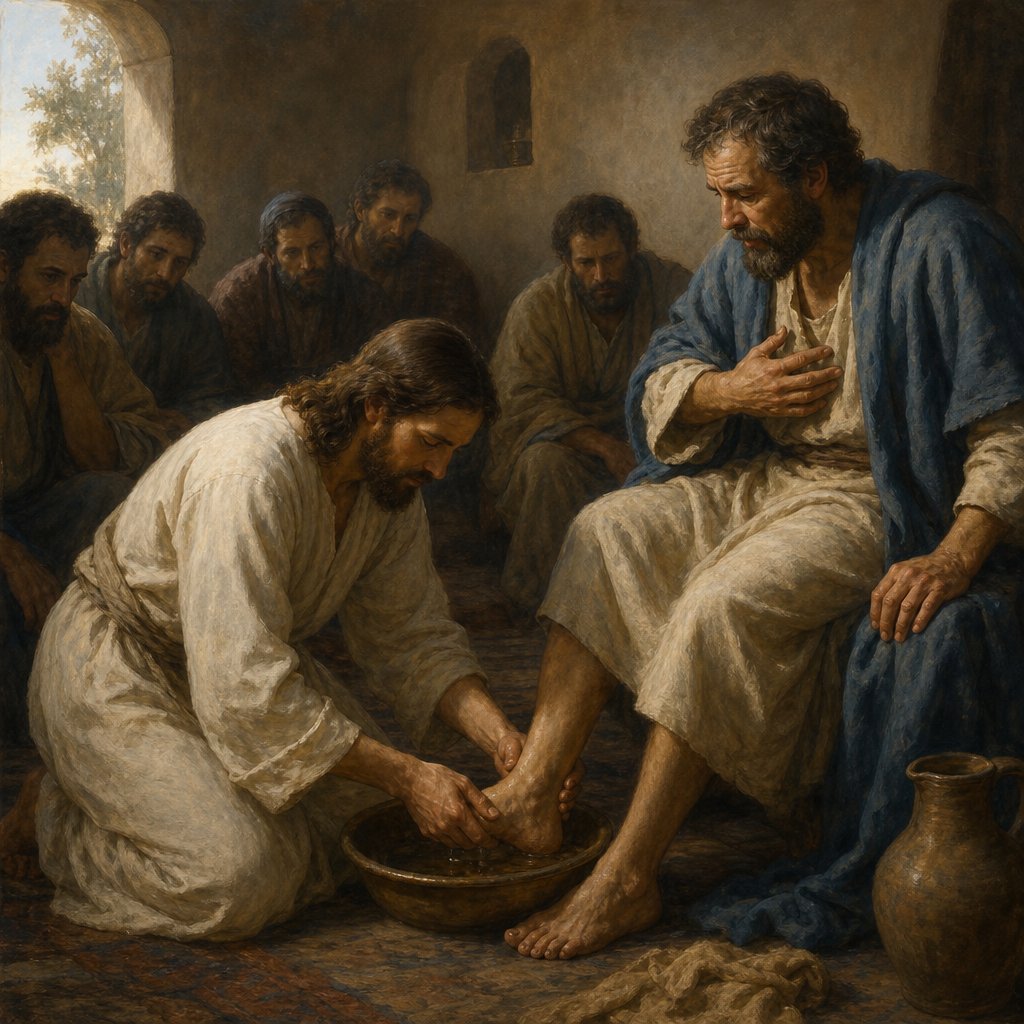
In John 13:7, Jesus answered and said unto Peter, "What I do thou knowest not now; but thou shalt know hereafter" (KJV). This profound statement encapsulates the mystery of faith and the journey each believer undergoes in their relationship with Christ. It reassures us that while we might not always grasp the full scope of God’s plans at this moment, there exists a divine purpose that will be revealed in His perfect timing.
In the context of this verse, we find ourselves in the Upper Room, where Jesus is preparing to wash the feet of His disciples—a task so humble and profound. Faced with a culture where foot washing was reserved for the lowest servant, Jesus’s actions puzzled Peter. Peter, in his zeal and passion, struggled to understand why the Master would undertake such a humble act. He could not yet comprehend the depth of Servanthood that Jesus was illustrating through His actions. How often do we find ourselves like Peter, questioning God's ways and resisting the lessons He is trying to impart? We may see the past or the present clearly, but struggle with understanding the future.
The first part of the verse, "What I do thou knowest not now," speaks to our limited understanding. We are often confronted with situations that seem utterly perplexing or unjust. Why do hardships befall the faithful? Why is there suffering in a world created by a loving God? The truth lies in the assurance that God operates on a higher plane than we do. Just as a parent sees the bigger picture for their child, God sees the entirety of our lives. His wisdom spans beyond our immediate comprehension, and what we may see as discordant pieces might, in time, form a beautiful mosaic. In our trials, we are reminded that we don't see what God sees—the character He is shaping within us, the ground He is preparing for us, and the work He is doing around us.
The second half of the verse, "but thou shalt know hereafter," offers hope and encourages patience. While our current circumstances might obscure God’s purposes, we find peace in the promise that understanding will come. God is not a distant deity; He is actively involved in our lives. In the intricacies of His plan, there are moments of revelation, often aligned with pivotal points in our lives. Reflecting on our faith journey, have there been moments when time revealed clarity? When we thought we had faced a setback, only to find it was a setup for something greater? This concept helps us to trust that God’s timeline may significantly differ from our expectations but is always perfectly orchestrated.
This promise to know ‘hereafter’ invites us to cultivate a spirit of expectancy. As we navigate life’s complexities and uncertainties, we must anchor our hearts in faith. God’s timing is perfect; it does not align with our hurried desires but flows from His infinite wisdom. Just as the disciples would later understand the meaning of Christ's sacrificial love and the importance of servanthood, we too will arrive at understanding and revelations that come with seasons of waiting and growing.
In moments of confusion, we should also look back on the incidents in our lives where trust was essential, and how, in retrospect, pieces fell into place. Let the past serve as a reminder of God’s faithful hand guiding us to outcomes we could not envision. Through prayer, scripture, and experience, we find peace that surpasses all understanding.
In conclusion, John 13:7 is a gentle reminder of our human limitations and the grand design that God has woven into our lives. Today, let us hold firm to the promise that our understanding of His ways will deepen and reveal more of His glory in time. Allow the uncertainties to lead you closer to Him, embracing the journey marked by patience, faith, and eventual revelation. Amen.
Get our apps


Artwork for John 13:7

John 13:7 - "Jesus answered and said unto him, What I do thou knowest not now; but thou shalt know hereafter."
"Jesus answered and said unto him, What I do thou knowest not now; but thou shalt know hereafter." - John 13:7

John 7:13 - "Howbeit no man spake openly of him for fear of the Jews."
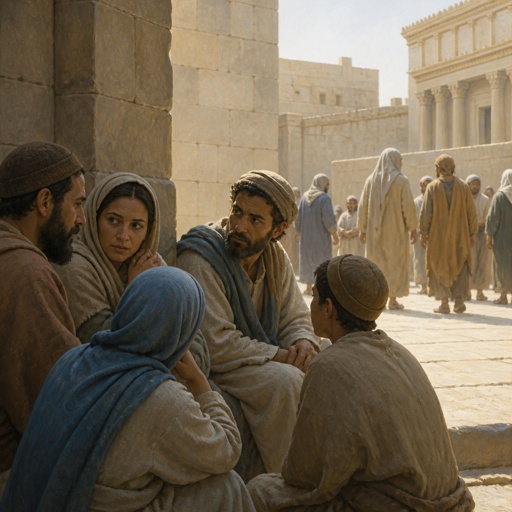
"Howbeit no man spake openly of him for fear of the Jews." - John 7:13

John 13

John 7:38

John 15:7

John 7:38

John 15:7

John 7:38

John 7:38

John 7:17-18

John 7:37-39

John 7:17-18

John 7:37-39

John 13:13 - "Ye call me Master and Lord: and ye say well; for so I am."

John 7:17-18

John 7:17-18
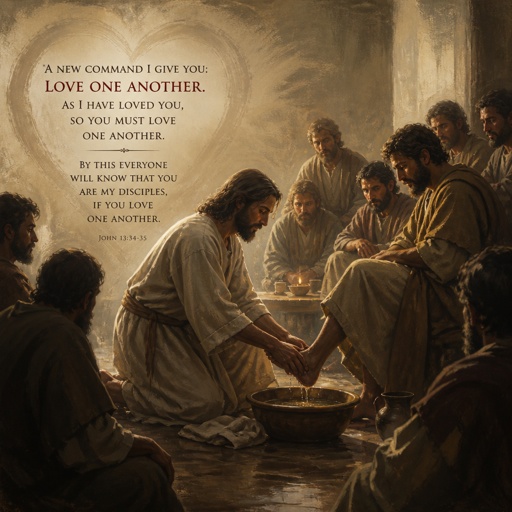
John 13: 34-35

John 13:4-9

JOHN 6:11-13

John 20:11-13

John 7:38

John 7:38

John 7:38

1 John 4:13

John 13:31-35

John 9:13 - "¶ They brought to the Pharisees him that aforetime was blind."

John 7:7 - "The world cannot hate you; but me it hateth, because I testify of it, that the works thereof are evil."

John 4:6-7