Journeying with Purpose: Understanding Christ's Departure
"But now I go my way to him that sent me; and none of you asketh me, Whither goest thou?" - John 16:5
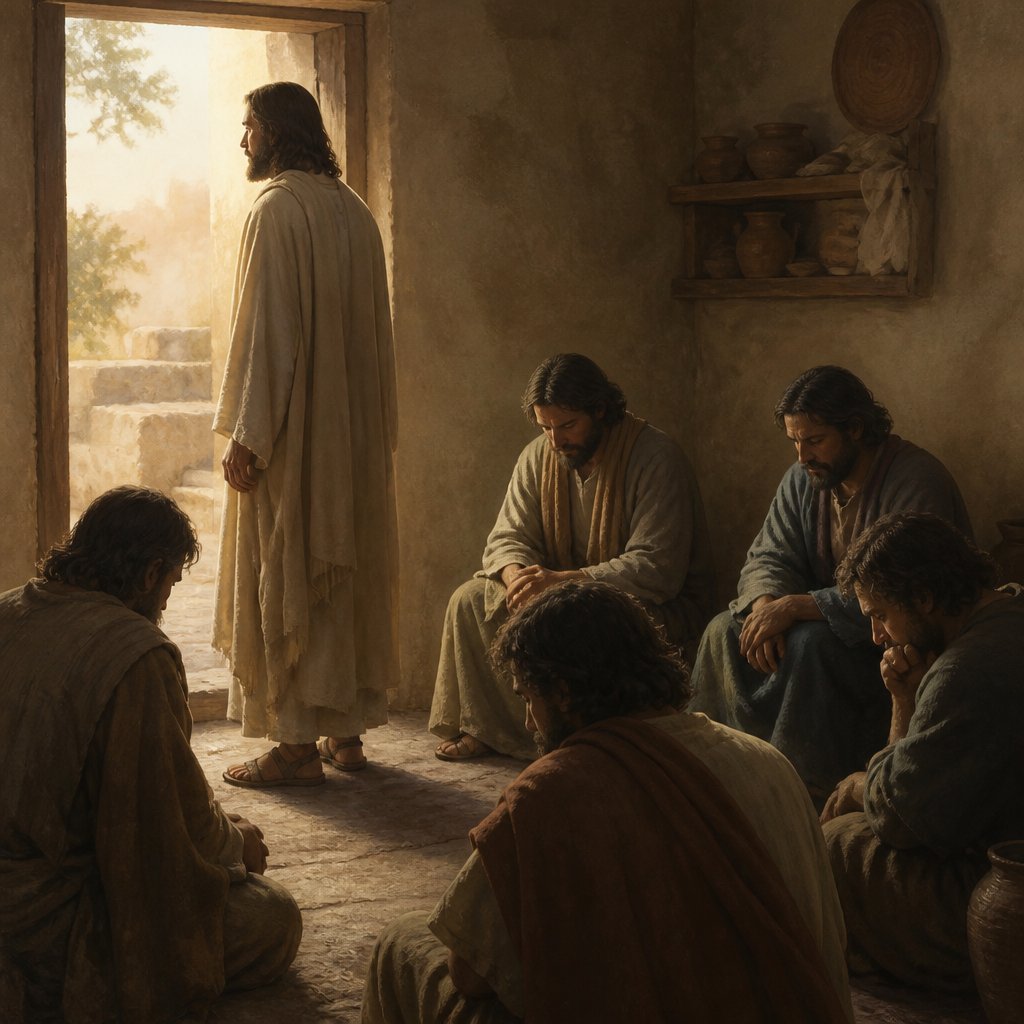
In John 16:5, we read the profound statement of Jesus, "But now I go my way to him that sent me; and none of you asketh me, Whither goest thou?" This verse encapsulates a pivotal moment in the narrative of the Gospel—a moment filled with sorrow, confusion, and the impending fulfillment of God's redemptive plan. To fully appreciate the depth of this verse, we must consider the context surrounding it, the significance of Christ's departure, and the lessons we can draw from it for our spiritual journeys.
Jesus spoke these words to His disciples during the Last Supper, just before His crucifixion. The atmosphere was heavy with the awareness of loss. For three years, the disciples had walked closely with Jesus, witnessing His miracles, teachings, and compassionate nature. They had forged an unbreakable bond with Him, viewing Him not just as their teacher, but as their friend and Messiah. The very idea of His departure was distressing to them; the thought of being separated from the One who had brought them hope, healing, and purpose was unbearable.
When Jesus says, "and none of you asketh me, Whither goest thou?" we see a poignant moment of human experience. The disciples were likely grappling with their own fear and grief, too consumed with their emotions to ask Jesus the questions weighing on their hearts. It is a reflection of how we often respond in times of distress—we become so overwhelmed that we fail to seek clarity or understanding from God. In contrast, Jesus’ words invite us to ponder the importance of communication and inquiry in our relationship with Him. How often do we sit in silence when we need to be asking God the hard questions about our journeys, our doubts, or our future?
The phrase "I go my way to him that sent me" reveals the extraordinary purpose behind Jesus’ departure. His mission on Earth was not merely to live among us but to fulfill the divine plan laid out by God the Father. Jesus was about to finish His earthly mission through His death, resurrection, and ascension. By returning to the Father, He would send the Holy Spirit, who would guide, teach, and comfort the disciples, and by extension, all believers throughout the ages. Jesus’ departure was not an end; it was a necessary step toward the fulfillment of God’s plan for redemption. Instead of viewing Jesus’ leaving as a loss, we are invited to see it as a pathway to greater intimacy with God through the Holy Spirit.
In our own lives, we, too, face seasons of departure and transitions—be it moving away from friends, changing jobs, or navigating life’s inevitable losses. In these moments, we may question where God is leading us and why we are experiencing such changes. Yet, like the disciples, we are challenged to look beyond our immediate circumstances. Instead of allowing our fear to silence our questions, we should brave the discomfort of uncertainty and seek God’s guidance through prayer and reflection.
Consider the disciples’ eventual journey post-resurrection. They moved from fear and confusion to passionate witnesses of the Gospel, empowered by the very Spirit Jesus promised. Each of us is called to a purpose, even amid uncertainty. The lessons learned through solitude, difficulty, and transition are profound; they deepen our reliance on God and illuminate our paths. As we step into those challenging seasons, remembering that Jesus’ departure led to profound clarity and purpose should encourage us that in our own times of uncertainty, God is preparing us for what is next.
As we reflect on John 16:5, let it stir within us a longing to communicate boldly with God. Ask the difficult questions. Embrace the transitions in your life as opportunities for growth, trusting that just as Jesus faithfully walked the path laid out for Him, so too will He guide us along our way, transforming our hearts and lives for His glory.
Want to reflect more on John 16:5?
Continue your spiritual journey with Bible Chat — an AI-powered tool for exploring God's Word through conversation. Ask questions, discover connections, and deepen your understanding.
Get Our Apps


John 16:5 Artwork

John 16:5 - "But now I go my way to him that sent me; and none of you asketh me, Whither goest thou?"
"But now I go my way to him that sent me; and none of you asketh me, Whither goest thou?" - John 16:5

John 5:16 - "And therefore did the Jews persecute Jesus, and sought to slay him, because he had done these things on the sabbath day."

Juan 5, 1-16

John 16:33

John 16:33

John 16:33

John 16:33

John 16:33

John 16:33

John 3:16

John 4:16

John 3:16

john 3:16

John 3:16

John 3:16

John 4:16

John 4:16

John 4:16

John 14:16

John 3:16

John 3:16

John 3:16

John 16 : 33

John 3:16

John 3:16

john 3:16

John 3:16

John 4:16

1 John 5:16 - "If any man see his brother sin a sin which is not unto death, he shall ask, and he shall give him life for them that sin not unto death. There is a sin unto death: I do not say that he shall pray for it."