The Authority of the Unyielding Pilate: A Reflection on Power and Silence
“Then saith Pilate unto him, Speakest thou not unto me? knowest thou not that I have power to crucify thee, and have power to release thee?” — John 19:10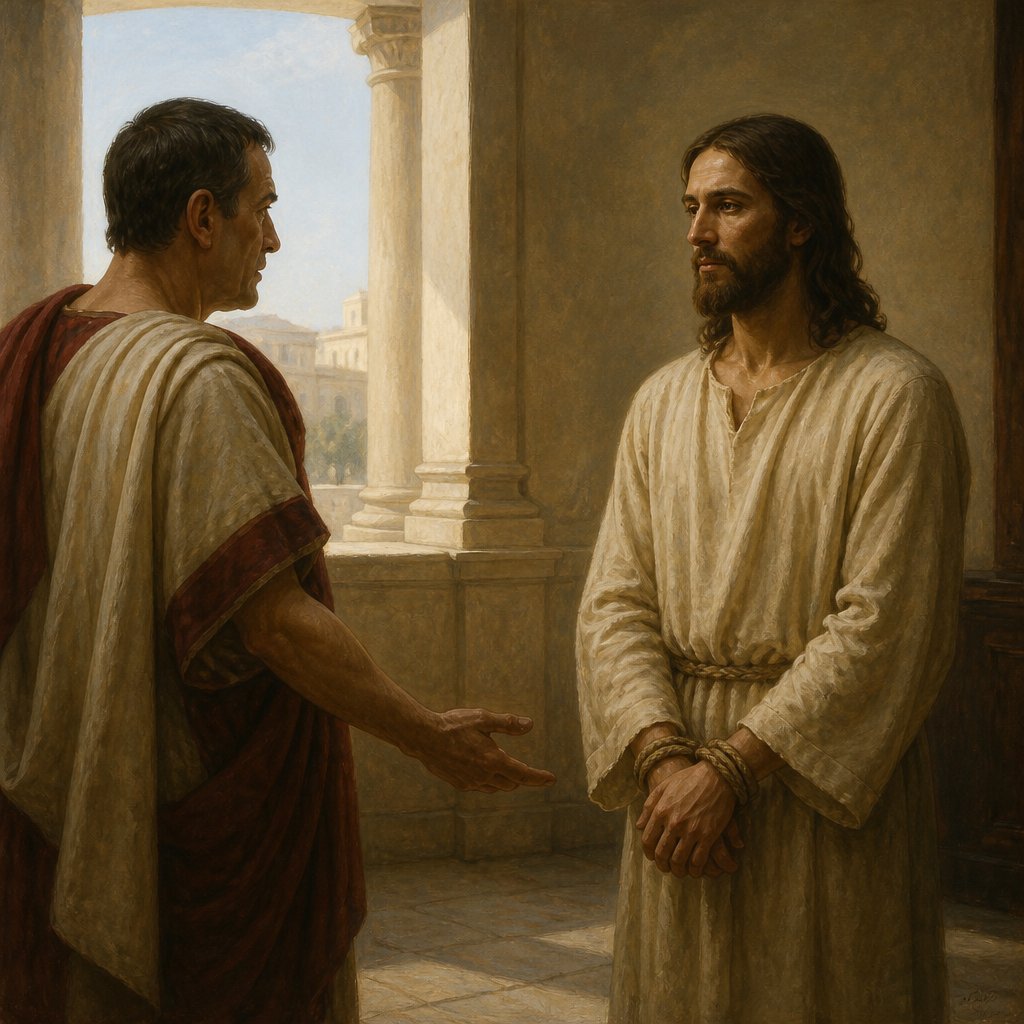
In the dramatic encounter between Jesus and Pontius Pilate, we witness a profound moment filled with tension, authority, and silence. The verse from John 19:10 reads, "Then saith Pilate unto him, Speakest thou not unto me? knowest thou not that I have power to crucify thee, and have power to release thee?" This moment encapsulates the struggle not only between the secular authority represented by Pilate and the divine authority embodied by Jesus, but also the larger narrative of humanity’s response to power and truth.
To grasp the weight of Pilate’s words, we must first understand the position he held in this historical context. Pilate was the Roman governor of Judea, a man of considerable power and influence. His statement, laden with arrogance and a sense of superiority, reveals the dangers of misplaced authority. Pilate believed that his earthly power was absolute, failing to grasp that its relevance was fleeting in the face of the eternal truth represented by Jesus.
In his challenge, "Speakest thou not unto me?" we see Pilate’s frustration with Jesus' silence. Throughout His trial, Jesus exhibited a profound composure, refusing to defend Himself in the typical manner expected in a court. Instead of bowing to the pressure of Pilate’s earthly authority, He chose silence, allowing the unfolding events to speak to His mission and purpose. This encounter illustrates a critical theme in Christian faith: true authority does not stem from our ability to exert power over others but from our willingness to submit to God’s plan and timing.
Pilate's inquiry, "knowest thou not that I have power...to crucify thee, and have power to release thee?" exposes the illusion of control. As humans, we often wrestle with our desire for power—whether in our jobs, relationships, or personal achievements. The world teaches us that authority is equated with success, and that our voice must assert itself in every situation. However, this scene invites us to reconsider this paradigm. Jesus’ lack of response in the face of mortal authority teaches us that silence can be a powerful witness to faith.
Jesus’ eventual response to Pilate—"Thou couldest have no power at all against me, except it were given thee from above" (John 19:11)—brings clarity to the true nature of power. Here, Jesus acknowledges the origin of Pilate’s authority, highlighting that no power exists outside of God’s sovereignty. This acknowledgement demands a deeper reflection: in what areas of our lives do we claim authority, and how often do we forget that our lives are under the dominion of God?
As Christians, we are called to recognize that true authority lies not within ourselves but in God. This realization should lead us not to apathy but to a profound sense of peace and humility. When we face trials, persecution, and injustice, we can rest assured that God remains sovereign. Jesus demonstrated this throughout His passion. Although He faced the ultimate act of injustice—crucifixion—He remained resolute in His purpose, which was to redeem humankind. His silence before Pilate was not a sign of weakness but a profound statement of His trust in God’s ultimate plan.
In reflecting on this moment, let us consider our responses to authority in our lives. Are we filled with anxiety over the powers that be, or do we echo the trust in God demonstrated by Jesus? Rather than striving for control or power, let us seek to emulate Christ's example of humility and trust in God's sovereign plan. As we face the authorities of our own lives, whether they be career pressures, societal expectations, or personal struggles, let us remember that true strength lies not in asserting our power, but in surrendering to God’s will.
Get our apps


Artwork for John 19:10

John 19:10 - "Then saith Pilate unto him, Speakest thou not unto me? knowest thou not that I have power to crucify thee, and have power to release thee?"
"Then saith Pilate unto him, Speakest thou not unto me? knowest thou not that I have power to crucify thee, and have power to release thee?" - John 19:10

John 10:19 - "¶ There was a division therefore again among the Jews for these sayings."
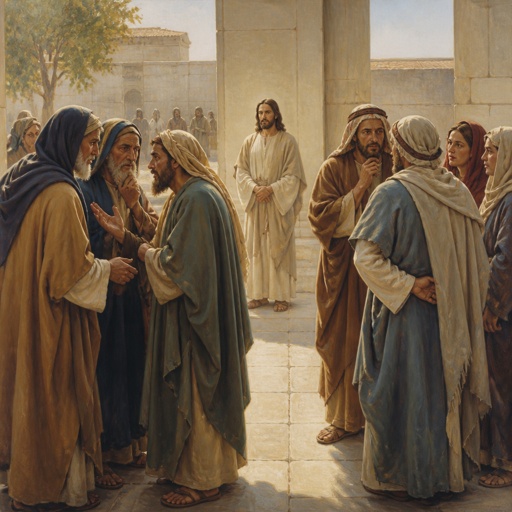
"¶ There was a division therefore again among the Jews for these sayings." - John 10:19

John 10:10

John 10:10

John 10:10

John 10:10

John 10:10

John 10:10

John 10:10

John 19:38

John 19:1

John 19:19 - "¶ And Pilate wrote a title, and put it on the cross. And the writing was, JESUS OF NAZARETH THE KING OF THE JEWS."

John 17.6-19

John 19:1-3

John 19:25-27

John 1:19 - "¶ And this is the record of John, when the Jews sent priests and Levites from Jerusalem to ask him, Who art thou?"

John 19:25-27

John 19:26-27

John 21:15-19

John 10:41 - "And many resorted unto him, and said, John did no miracle: but all things that John spake of this man were true."

John 10:30
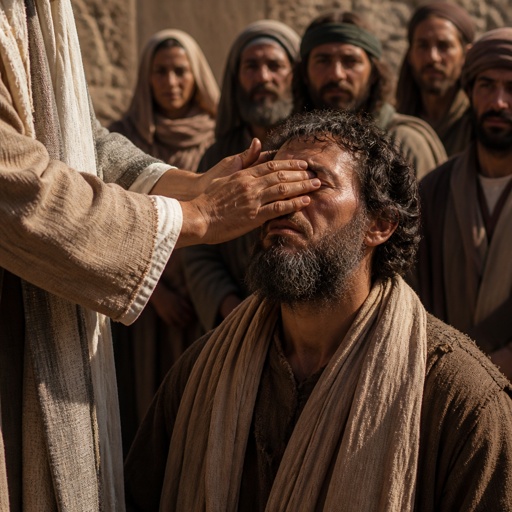
John 9:10

John 10:30

John 10:9

John 10:9

John 10:9

Luke 10:18-19

Luke 10:18-19