The Judgment Seat: An Encounter with Divine Justice
“When Pilate therefore heard that saying, he brought Jesus forth, and sat down in the judgment seat in a place that is called the Pavement, but in the Hebrew, Gabbatha.” — John 19:13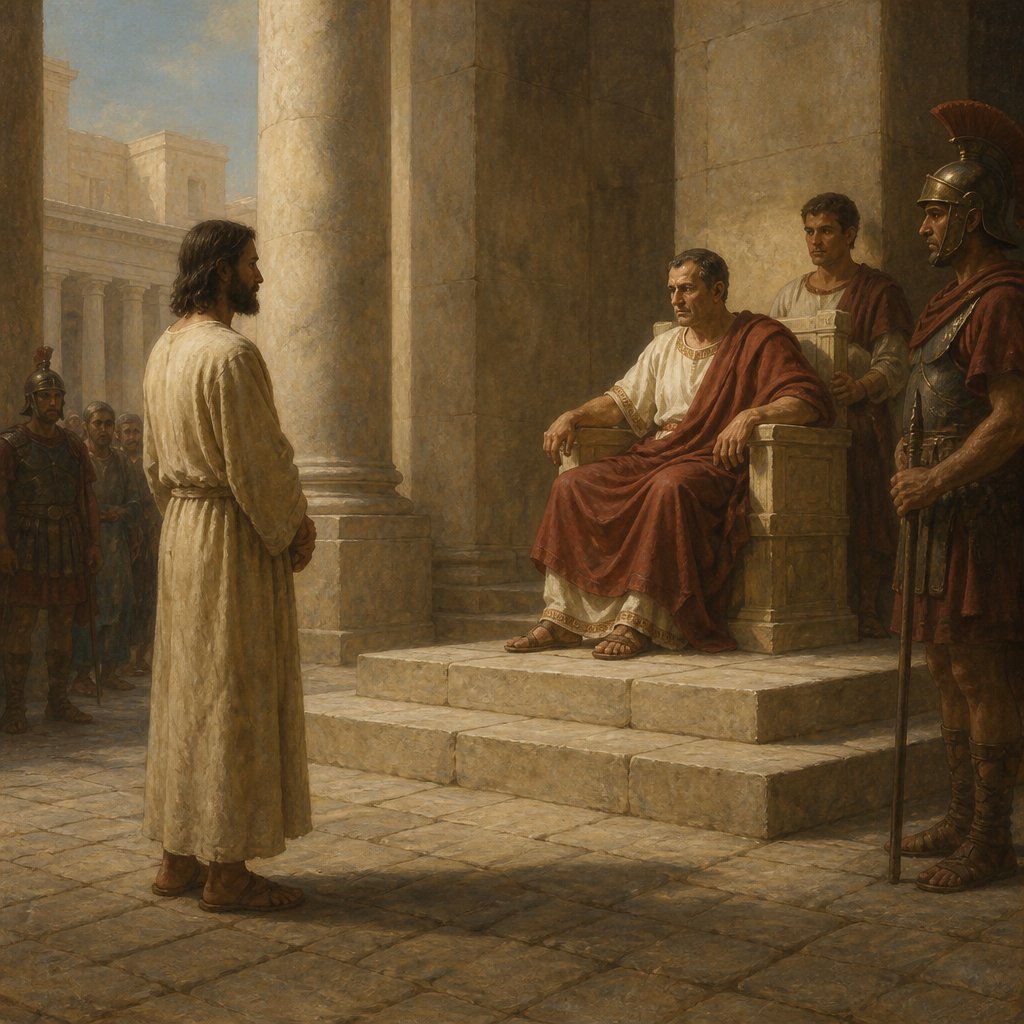
In the heart of the Gospel, we find a climactic moment that encapsulates the gravity of human choice and divine sovereignty. John 19:13 reads: "When Pilate therefore heard that saying, he brought Jesus forth, and sat down in the judgment seat in a place that is called the Pavement, but in the Hebrew, Gabbatha." This verse, laden with historical and theological significance, invites us to approach the scene and meditate on the implications of Christ's trial and the concept of judgment.
Gabbatha, Aramaic for the place of judgment, was the literal seat where Pilate decided the fate of Jesus. Yet, this moment transcends mere history; it is a poignant reminder to us as modern believers of the judgments we face in our own lives. Pilate, a Roman governor, embodies the external authority that was faced with an internal conflict: what was right was overshadowed by the fear of public consequence and political pressure. As he sat in judgment, the innocence of Jesus stood before him, revealing the depth of human depravity and the urgent need for redemption.
In this powerful confrontation, we see the clash of two kingdoms: the earthly realm ruled by fear and ambition, and the heavenly kingdom that embodies truth and love. Pilate’s judgment seat became a focal point of divine history—a moment where humanity’s sin was laid bare against the backdrop of God’s pure righteousness.
The title 'Pavement' invokes a sense of harshness, coldness, and finality. It speaks to the reality of earthly authority and societal judgment that often leads to injustice. The ground where decisions that impact life and death are made can sometimes feel heartless, symbolizing how easily we can become desensitized to the suffering of others when we are wrapped up in our ambitions. The Pavement is stark contrast to the loving embrace God offers through Christ. What does it reveal about our own lives and choices? Are we too often seated on our own judgment seats, making decisions based on fear of consequences rather than what is right in the eyes of God?
Within this pivotal moment of judgment, we must acknowledge the chilling reality that Pilate knew Jesus was innocent—a fact he reiterated throughout the trial yet ultimately chose to dismiss. This reflects a critical aspect of human nature: the struggle between truth and convenience. Pilate's actions compel us to examine our own lives. When faced with the truth of who Jesus is and what He stands for, do we choose to acknowledge Him despite the cost, or do we find ourselves, like Pilate, resisting conviction to maintain our comfort?
However, amid this somber scene, we must not forget that the narrative does not end in despair. Jesus' presence in the courtroom and His calm demeanor offer us a glimpse of hope. The trial was not just a trial for Jesus; it was a trial for the world. His willingness to endure such suffering in the name of love signals the greatest act of justice—the cross, where our sins would be judged, and redemption would be offered freely. Through His sacrifice, He shows us that true justice does not come from a judgment seat but from a heart willing to lay down everything for another.
As we reflect on John 19:13, let us remember that we are all called to confront our own judgment seats. We are invited to assess what decisions we are making and for whom we stand. Are we building our lives upon the Pavement of worldly ambition and fear, or are we walking the path paved with love and sacrifice that Jesus exemplified? May our lives echo the truth of the cross, allowing us to choose compassion over judgment, grace over condemnation, and love over indifference. Let us sit not in judgment of others but in reverence and gratitude for the One who was judged in our place.
Get our apps


Artwork for John 19:13

John 19:13 - "¶ When Pilate therefore heard that saying, he brought Jesus forth, and sat down in the judgment seat in a place that is called the Pavement, but in the Hebrew, Gabbatha."
"¶ When Pilate therefore heard that saying, he brought Jesus forth, and sat down in the judgment seat in a place that is called the Pavement, but in the Hebrew, Gabbatha." - John 19:13

John 19:1-3

John 13:19 - "Now I tell you before it come, that, when it is come to pass, ye may believe that I am he."

John 19:38

John 19:1

John 13

John 19:19 - "¶ And Pilate wrote a title, and put it on the cross. And the writing was, JESUS OF NAZARETH THE KING OF THE JEWS."

John 17.6-19
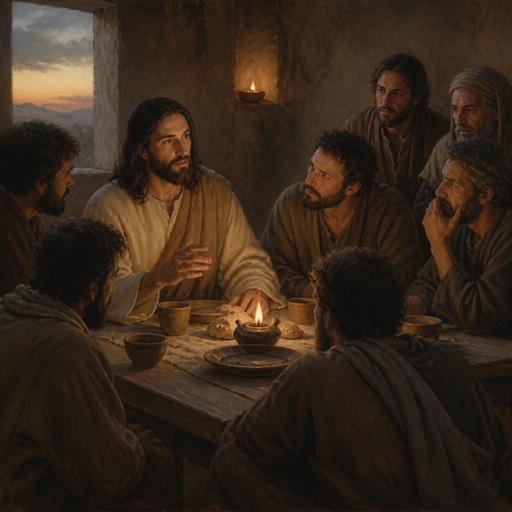
"Now I tell you before it come, that, when it is come to pass, ye may believe that I am he." - John 13:19

John 19:25-27

John 1:19 - "¶ And this is the record of John, when the Jews sent priests and Levites from Jerusalem to ask him, Who art thou?"

John 19:25-27

John 19:26-27

John 21:15-19

Luke 13:18-19

Luke 13:18-19

John 10:19 - "¶ There was a division therefore again among the Jews for these sayings."

John 13:13 - "Ye call me Master and Lord: and ye say well; for so I am."
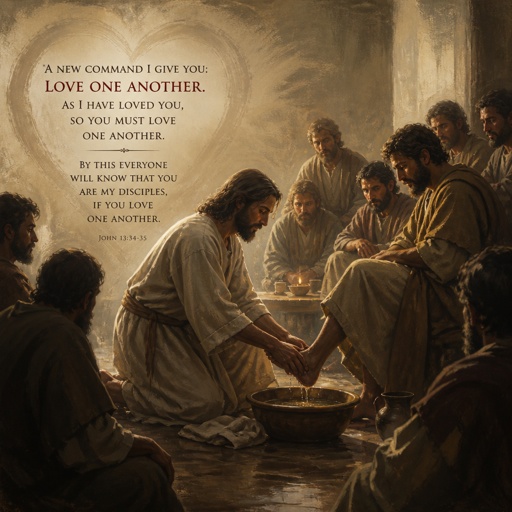
John 13: 34-35

Genesis 19-13

John 13:4-9

JOHN 6:11-13

John 20:11-13

Matthew 19:13

John 19:1 - "Then Pilate therefore took Jesus, and scourged him."

1 John 4:13

John 13:31-35

John 19:25-27 with emphasis on Mary

John 19:12-13 - "From then on, Pilate tried to release him, but the Jews cried out, "If you let this man go, you are no friend of Caesar. Anyone who claims to be a king opposes Caesar." When Pilate heard this, he brought Jesus out and sat down on the judge's seat at a place known as the Stone Pavement (which in Aramaic is Gabbatha)."