The Weight of the Cross: Understanding the Path of Sacrifice
“And he bearing his cross went forth into a place called the place of a skull, which is called in the Hebrew Golgotha: Where they crucified him, and two other with him, on either side one, and Jesus in the midst.” — John 19:17-18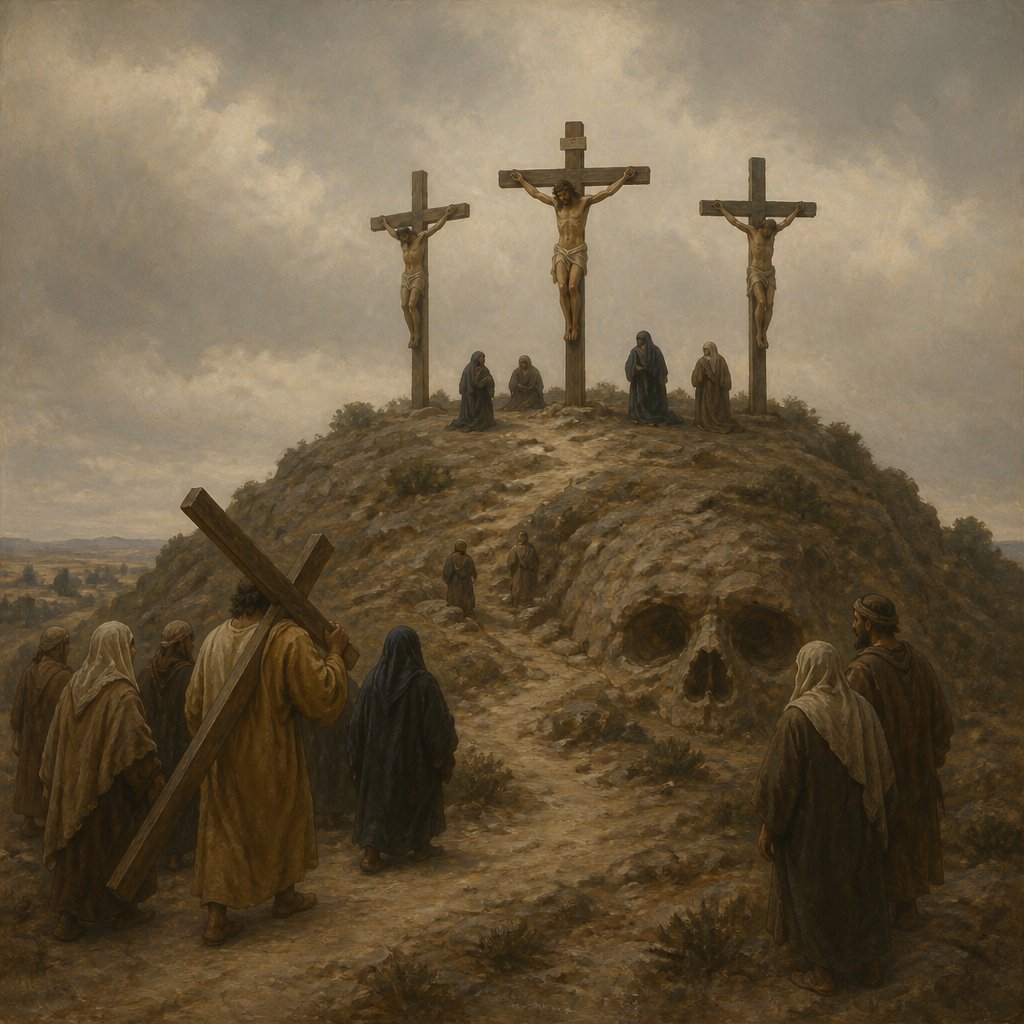
As we meditate on John 19:17-18 in the King James Version, we read:
"And he bearing his cross went forth into a place called the place of a skull, which is called in the Hebrew Golgotha: Where they crucified him, and two other with him, on either side one, and Jesus in the midst."
In these moments that capture the essence of the Divine suffering, we can see a profound teaching about the burden of sacrifice and the theme of redemption. At first glance, this passage depicts a dark and sorrowful scene where Jesus, the Son of God, carries the weight of the cross, a wooden burden symbolizing His imminent suffering. However, behind this physical manifestation of pain lies a deeper, spiritual truth that speaks not only to the reality of crucifixion but also to the essence of our faith and daily walk with Christ.
The journey begins with Jesus bearing His cross, a representation of the immense sacrifice He is about to make for humanity. This act is laden with significance. Here, “bearing the cross” takes on a dual meaning: not only is He physically carrying the instrument of His death, but He is also bearing the full weight of human sin and its repercussions. Paul, in Galatians 6:2, urges us to “Bear ye one another's burdens, and so fulfill the law of Christ.” In bearing His cross, Jesus is modeling how we too are called to bear our burdens – and those of others – as a tangible demonstration of love, compassion, and strength.
The narrative continues as He goes forth to Golgotha, or “the place of a skull.” The name itself evokes imagery of mortality and death, a stark reminder of the ultimate fate awaiting every human. When we ponder this locale, we are confronted with our own mortality and the darkness intertwined with our existence. Yet, amidst this grim setting, the Gospel shines a light of hope. For it is on this very hill that redemption becomes available to all. Golgotha is not just a place of execution; it becomes the birthplace of salvation. Christ’s crucifixion, an act of pure unselfish love, transforms a space of death into a path of eternal life.
As Jesus is crucified between two thieves, we are introduced to the concept of dual narratives: on either side, there are contrasting paths of belief. The man on one side represents rejection, while the other man in his despair recognizes the Kingship of Christ and seeks forgiveness. This juxtaposition invites each of us to examine our own stance before the cross. The crucifixion persists as a defining moment throughout history, challenging us to make choices regarding faith, repentance, and acceptance of Jesus as our Savior. Just as the thieves had to respond to Jesus in their pain, so too are we called to respond in our times of struggle and suffering.
Being “in the midst” signifies not only physical placement; it also emphasizes His divine mission. Jesus stands in the center of your struggles, your shame, and your guilt. He is not distant or uninvolved but intimately acquainted with our pain and sorrows. The cross, while symbolizing suffering, also signifies hope; it embodies love that bears all things, believes all things, hopes all things, and endures all things (1 Corinthians 13:7). His presence on the cross reassures us that we are never alone in our trials.
As we reflect on this passage, let us spend time in prayer asking who we are in the shadow of the cross. Are we emulating Christ by sacrificing for others? Do we acknowledge our sin and seek His forgiveness? Let us carry our own crosses with the understanding that within our burdens lies the opportunity for transformation, redemption, and the unwavering love of Christ that eternally sustains us. May this passage encourage us to walk faithfully, bearing our own crosses daily while pursuing the example set by our Savior, who willingly endured unimaginable pain for our sake.
Get our apps


Artwork for John 19:17-18

John 19:17-18 - "And he bearing his cross went forth into a place called the place of a skull, which is called in the Hebrew Golgotha: Where they crucified him, and two other with him, on either side one, and Jesus in the midst."
"And he bearing his cross went forth into a place called the place of a skull, which is called in the Hebrew Golgotha: Where they crucified him, and two other with him, on either side one, and Jesus in the midst." - John 19:17-18

John 7:17-18

John 7:17-18

John 7:17-18

John 7:17-18

John 18:19 - "¶ The high priest then asked Jesus of his disciples, and of his doctrine."

John 17:19 - "And for their sakes I sanctify myself, that they also might be sanctified through the truth."

John 19:18 - "Where they crucified him, and two other with him, on either side one, and Jesus in the midst."

John 17:18 - "As thou hast sent me into the world, even so have I also sent them into the world."

Proverbs 14:17-19 - "17: A quick-tempered person does foolish things, and the one who devises evil schemes is hated. 18: The simple inherit folly, but the prudent are crowned with knowledge. 19: Evildoers will bow down in the presence of the good, and the wicked at the gates of the righteous."

John 19:17 - "And he bearing his cross went forth into a place called the place of a skull, which is called in the Hebrew Golgotha:"
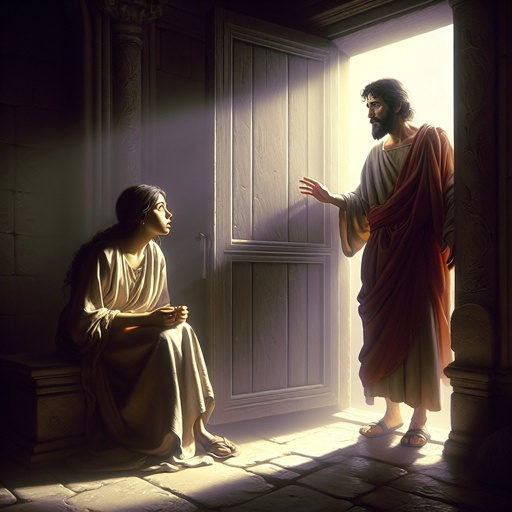
John 18:17 - "Then saith the damsel that kept the door unto Peter, Art not thou also one of this man's disciples? He saith, I am not."
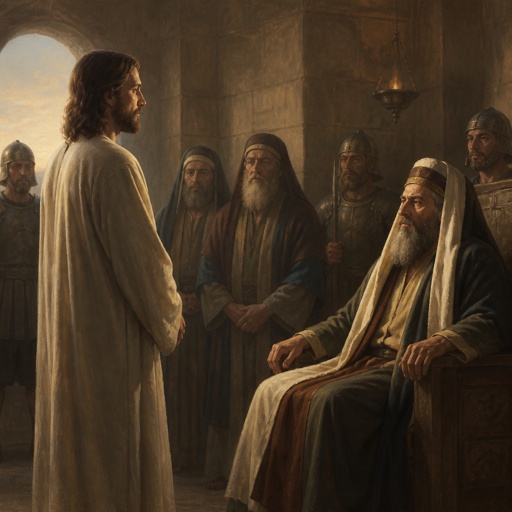
"¶ The high priest then asked Jesus of his disciples, and of his doctrine." - John 18:19
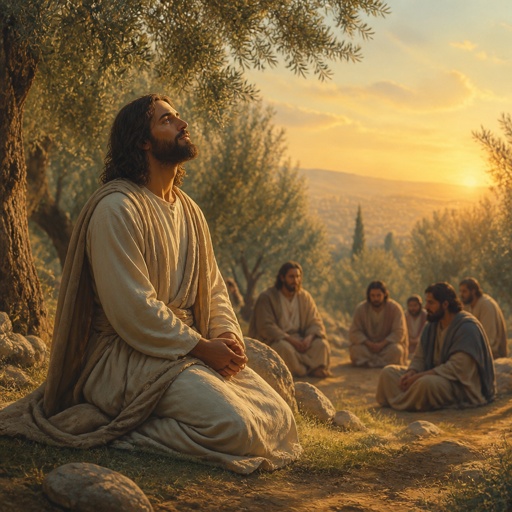
"And for their sakes I sanctify myself, that they also might be sanctified through the truth." - John 17:19

1 John 3:18-19 - "My little children, let us not love in word, neither in tongue; but in deed and in truth. And hereby we know that we are of the truth, and shall assure our hearts before him."

1 John 4:18-19 - "There is no fear in love; but perfect love casteth out fear: because fear hath torment. He that feareth is not made perfect in love. We love him, because he first loved us."
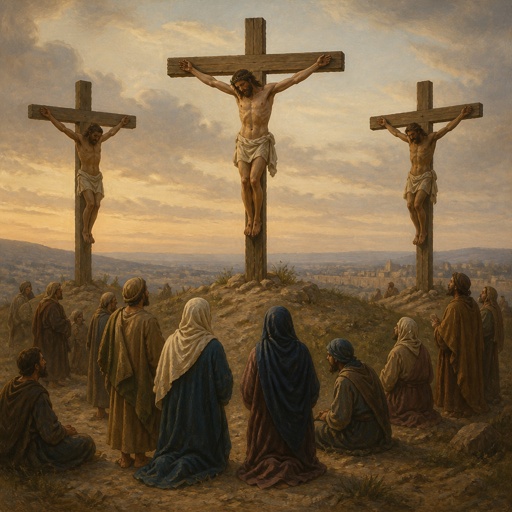
"Where they crucified him, and two other with him, on either side one, and Jesus in the midst." - John 19:18
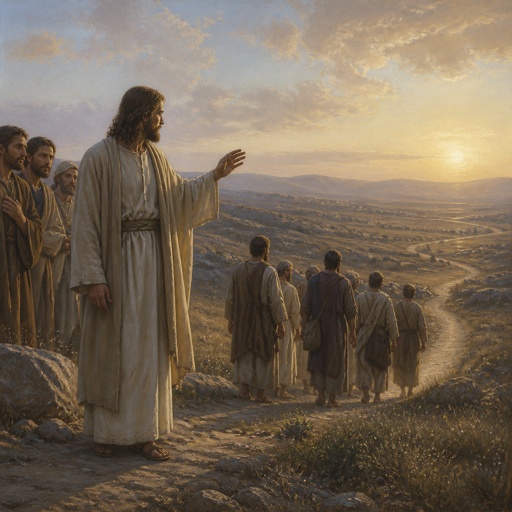
"As thou hast sent me into the world, even so have I also sent them into the world." - John 17:18

1 John 3:17-18 - "But if anyone has the world's goods and sees his brother in need, yet closes his heart against him, how does God's love abide in him? Little children, let us not love in word or talk but in deed and in truth."

Matthew 17:17-18
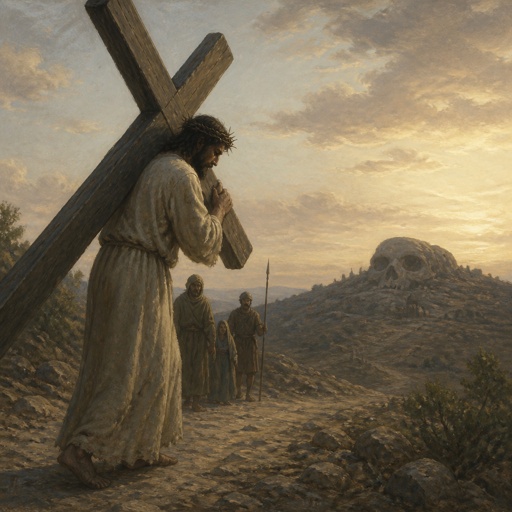
"And he bearing his cross went forth into a place called the place of a skull, which is called in the Hebrew Golgotha:" - John 19:17

John 15:18-19 - "If the world hates you, keep in mind that it hated me first. If you belonged to the world, it would love you as its own. As it is, you do not belong to the world, but I have chosen you out of the world. That is why the world hates you."

Matthew 17:17-18

John 19:38

John 19:1

John 17:17 - "Sanctify them through thy truth: thy word is truth."

John 18:25

john 18:36

John 19:19 - "¶ And Pilate wrote a title, and put it on the cross. And the writing was, JESUS OF NAZARETH THE KING OF THE JEWS."