The Crown of Thorns: A Mark of Suffering and Sacrifice
“And the soldiers platted a crown of thorns, and put it on his head, and they put on him a purple robe,” — John 19:2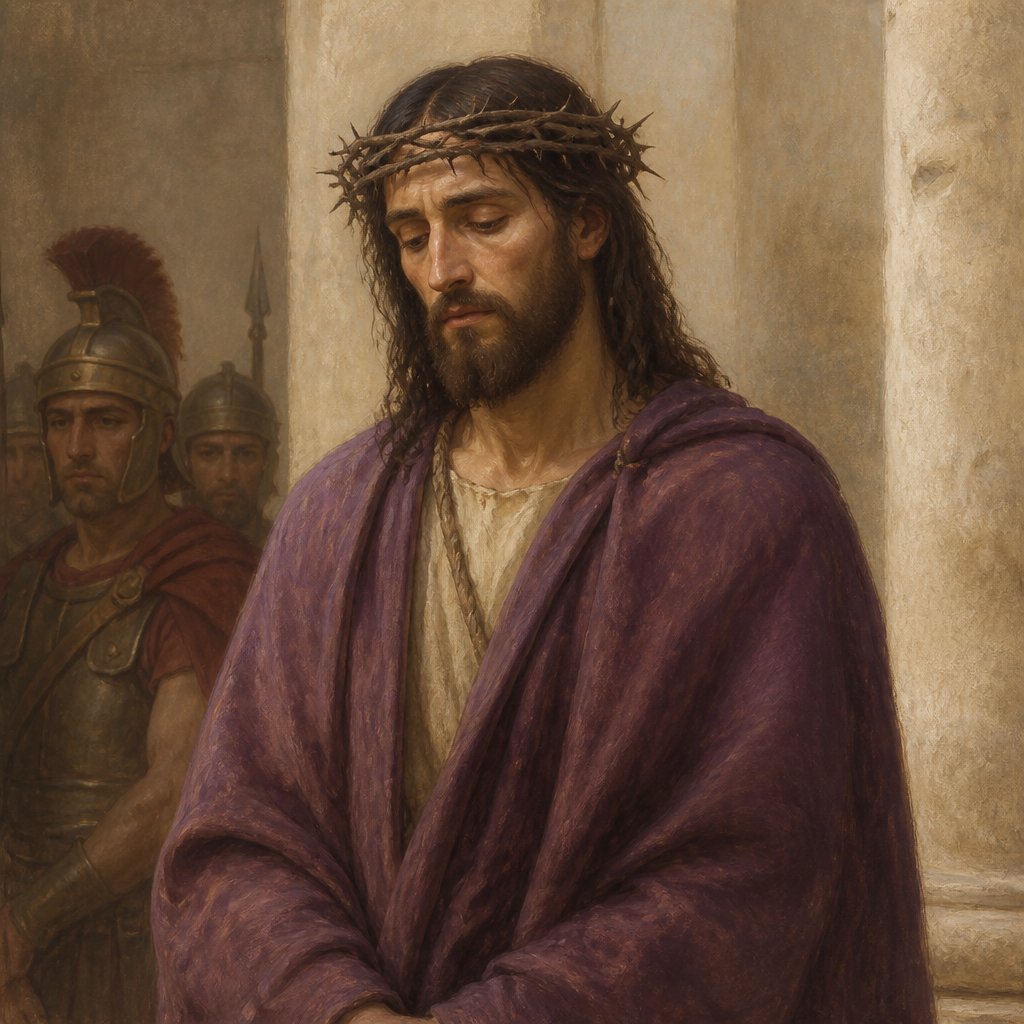
In John 19:2, we encounter a poignant moment in the Passion of Christ that encapsulates the cruelty and mockery faced by Jesus: "And the soldiers platted a crown of thorns, and put it on his head, and they put on him a purple robe." This verse serves as a deep reminder of the humiliation, physical suffering, and profound sacrifice that Jesus willingly endured for humanity’s sake.
To understand the powerful symbolism behind the crown of thorns, we must first consider the context. Jesus is being mocked by soldiers, who, in an ironic display of derision, dress him as a king. The crown of thorns, a painful representation of both royalty and suffering, illustrates the stark contrast between earthly power and the spiritual kingdom Jesus came to establish. In their mocking, they did not realize they were placing upon Him the symbol of our salvation. The crown of thorns serves as a reminder of the fallen world and the depth of sin—most prominently the sins of those who mocked Him.
Thorns, in the biblical narrative, typically symbolize hardship and difficulty. Going back to Genesis 3:17-19, we see that the ground was cursed because of Adam’s sin, producing thorns and thistles as a result of mankind's disobedience. In wearing the crown of thorns, Jesus takes upon Himself the consequences of our fallen state—He assumed the burden of sin and death. The thorns that pierced His brow speak volumes about the agony and strife that humanity has endured since the Fall. Jesus embraced the thorns to redeem not just individuals, but the very world marred by sin.
Moreover, from an emotional and spiritual perspective, this act of crowning Jesus with thorns demonstrates a rejection of His divinity and kingship. While they placed a robe on Him, symbolizing royalty, the underlying message was one of mockery: they did not truly believe in His claim to be King. Yet, amidst this mockery, Jesus embodies humility and acceptance, fully aware of His purpose. He did not retaliate or defend Himself; rather, He submitted to this ignoble treatment, recognizing that His path was paved with sacrifice for the ultimate good. There is profound strength in His silence, an unwavering commitment to fulfilling the will of the Father.
Furthermore, we can reflect on the personal implications of this moment in our own lives. Just as Jesus bore the crown of thorns, we too endure our own trials and sufferings. The challenges we face may feel like thorns in our lives—pricks of pain that frustrate our journey towards righteousness. In those moments, we can turn to Jesus, who understands our suffering and is present with us in our hardships. He invites us to bring our burdens to Him, assuring us that His grace is sufficient even in our weakest moments (2 Corinthians 12:9).
As believers, we must not forget that the story does not end with the crown of thorns. It is essential to remember Resurrection Sunday—the glorious day that embodies Jesus' victory over sin, death, and despair. The crown of thorns foreshadows the ultimate triumph of the cross, a symbol of hope rather than defeat. It reminds us that even in the moments of intense suffering and mockery, God’s plan is at work, bringing about redemption and restoration.
In closing, while the scene surrounding John 19:2 depicts degradation and scorn, it simultaneously highlights the glory of Christ’s sacrificial love. As we meditate on this scene, let us ask ourselves: What thorns are we bearing in our lives? Are we willing to surrender them to the one who wore the crown? Through Christ’s suffering, we are called to embrace our own journeys with faith, knowing that our suffering is not in vain; it leads us to greater intimacy with Him, our Savior and King. May we wear our thorns with grace, and may we follow the example of Christ who turned the instrument of suffering into a beacon of hope.
Get our apps


Artwork for John 19:2

John 19:2 - "And the soldiers platted a crown of thorns, and put it on his head, and they put on him a purple robe,"
"And the soldiers platted a crown of thorns, and put it on his head, and they put on him a purple robe," - John 19:2

John 2:19 - "Jesus answered and said unto them, Destroy this temple, and in three days I will raise it up."

John 19:38

John 19:1

John 19:19 - "¶ And Pilate wrote a title, and put it on the cross. And the writing was, JESUS OF NAZARETH THE KING OF THE JEWS."

1 John 2:19 - "They went out from us, but they were not of us; for if they had been of us, they would no doubt have continued with us: but they went out, that they might be made manifest that they were not all of us."

John 17.6-19

John 19:1-3

John 19:25-27

John 1:19 - "¶ And this is the record of John, when the Jews sent priests and Levites from Jerusalem to ask him, Who art thou?"

John 19:25-27

John 19:26-27

John 21:15-19

John 10:19 - "¶ There was a division therefore again among the Jews for these sayings."
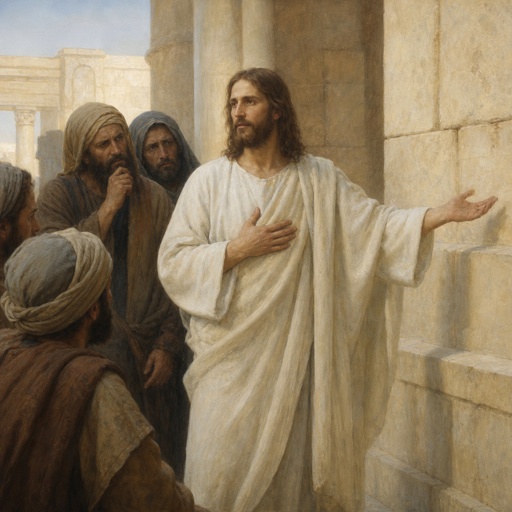
"Jesus answered and said unto them, Destroy this temple, and in three days I will raise it up." - John 2:19

John 19:1 - "Then Pilate therefore took Jesus, and scourged him."

John 19:25-27 with emphasis on Mary

John 19:3 - "And said, Hail, King of the Jews! and they smote him with their hands."

John 2:19-21 - "Jesus answered them, "Destroy this temple, and I will raise it again in three days." They replied, "It has taken forty-six years to build this temple, and you are going to raise it in three days?" But the temple he had spoken of was his body."

1 John 4:19 - "We love him, because he first loved us."

1 John 5:19 - "And we know that we are of God, and the whole world lieth in wickedness."

John 17:19 - "And for their sakes I sanctify myself, that they also might be sanctified through the truth."

John 19:22 - "Pilate answered, What I have written I have written."

John 18:19 - "¶ The high priest then asked Jesus of his disciples, and of his doctrine."

John 19:8 - "¶ When Pilate therefore heard that saying, he was the more afraid;"

John 19:36 - "For these things were done, that the scripture should be fulfilled, A bone of him shall not be broken."

John 4:19 - "The woman saith unto him, Sir, I perceive that thou art a prophet."

John 19:37 - "And again another scripture saith, They shall look on him whom they pierced."

John 11:19 - "And many of the Jews came to Martha and Mary, to comfort them concerning their brother."