The Final Cry of Victory: Understanding 'It Is Finished'
“When Jesus therefore had received the vinegar, he said, It is finished: and he bowed his head, and gave up the ghost.” — John 19:30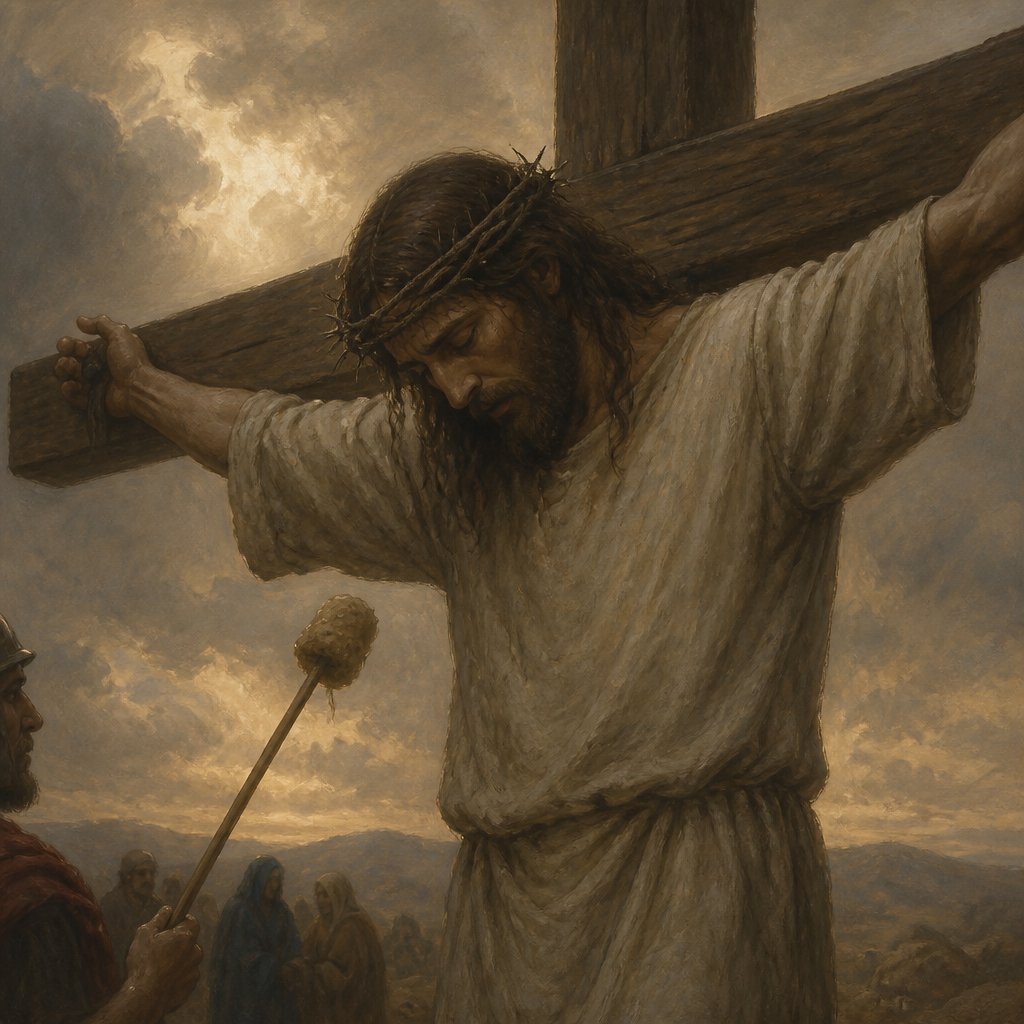
As we reflect on the profound significance of John 19:30—"When Jesus therefore had received the vinegar, he said, It is finished: and he bowed his head, and gave up the ghost"—we are drawn into the heart of the Christian faith. This moment, the culmination of Jesus’ earthly mission, holds layers of meaning that continue to resonate through the ages, offering hope, redemption, and a profound understanding of grace.
At the moment this verse captures, Jesus is hanging on the cross, enduring immense physical agony and spiritual turmoil. The words "It is finished" carry weight beyond mere cessation; they echo with the profound completion of the work that Jesus came to fulfill. This cry is not one of defeat but rather a proclamation of victory. It signifies that the mission of salvation, foretold through the prophets and foreshadowed throughout the Scriptures, has reached its glorious conclusion. Every element of the Law, the prophecies, and the sacrificial system culminated in this moment.
The phrase "It is finished" in the Greek text is one single word: "Tetelestai"—a term historically used in various contexts, from business transactions meaning "paid in full" to completion of a task. Jesus, bearing the weight of humanity's sins, uttered this term with the full knowledge that he had successfully accomplished his purpose. This dramatic declaration brings to mind the sacrificial lamb of Passover, whose blood sealed the covenant between God and His people. Just as the lamb had to be spotless and blameless, so too was Jesus, the ultimate lamb, who was without sin. His blood was now shed, not just for a nation but for all of humanity.
This moment also invites us to consider the costs involved in our redemption. Salvation came at a price—the death of the innocent for the guilty, the Son of God for the sons and daughters of men. As we meditate on this truth, we are reminded that it was not merely the physical suffering that Jesus endured; there was also an emotional and spiritual weight to bear—the weight of our sins, the separation from God that sin brings. His ability to endure such depths of suffering and still proclaim that it was finished challenges us to cling to our own trials with a mentality of triumph rooted in faith.
Moreover, in saying "It is finished," Jesus ushered in a new covenant. The Old Covenant, which was based on the Law, had been fulfilled. Now, through His perfect sacrifice, believers are now restored in their relationship with God—not based on works, but on grace through faith. The veil in the temple, torn asunder from top to bottom, symbolizes this access to God, highlighting that through Christ’s death, the barrier of sin has been removed. We no longer need a high priest to mediate for us; we have direct access to the throne of grace.
As we reflect on these words today, we must ask ourselves: What does "It is finished" mean in our lives? Have we accepted the grace offered to us through His sacrifice, recognizing that we cannot earn our way to salvation? Are we living in the freedom that comes from knowing that our sins are forgiven and that we are clothed in the righteousness of Christ?
In times of struggle, when we feel overwhelmed by circumstances, we can cling to this declaration. The work of Christ is complete. Our future, anchored in Him, is secure. We can bow our heads in surrender, in faith, knowing that if Christ has finished His work, our own battles can also be fought and won through Him.
Today, let us embrace the significance of Jesus’ final words on the cross. They are a reminder of the ultimate sacrifice made for us, and they beckon us to live in the light of that incredible truth. May we echo the cry of victory not just in our hearts but in our lives, proclaiming that we are redeemed and forever changed by the power of the cross. It is indeed finished.
Get our apps


Artwork for John 19:30
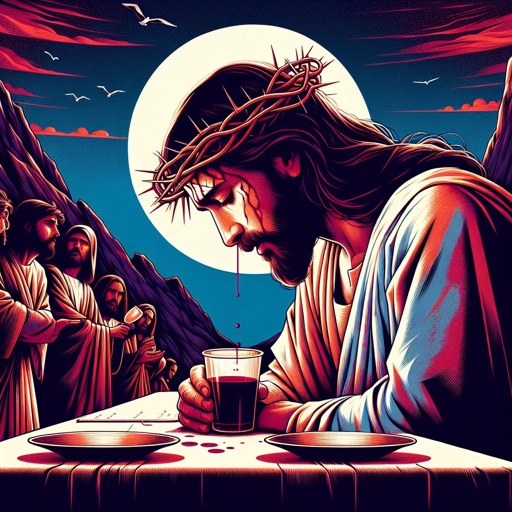
John 19:30 - "When Jesus therefore had received the vinegar, he said, It is finished: and he bowed his head, and gave up the ghost."

John 19:30 So when Jesus had received the sour wine, He said, “It is finished!” And bowing His head, He gave up His spirit.
"When Jesus therefore had received the vinegar, he said, It is finished: and he bowed his head, and gave up the ghost." - John 19:30

John 14:30

John 10:30

John 10:30

John 3:30

Genesis 19-30

Deuteronomy 30:19:

John 20:30-31

John 10:30 - "I and my Father are one."

Philippians 2:19-30

John 4:30 - "Then they went out of the city, and came unto him."

John 3:30 - "He must increase, but I must decrease."

John 8:30 - "As he spake these words, many believed on him."

Mark 11:30 - "The baptism of John, was it from heaven, or of men? answer me."
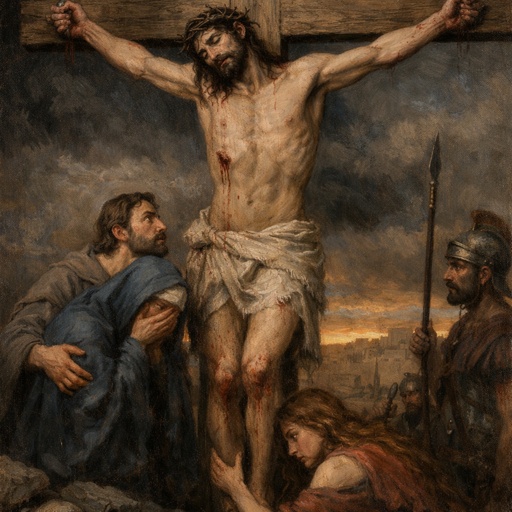
John 19,30

John 19:38

John 19:1

John 13:30 - "He then having received the sop went immediately out: and it was night."

Matthew 19:30 - "But many that are first shall be last; and the last shall be first."

John 19:19 - "¶ And Pilate wrote a title, and put it on the cross. And the writing was, JESUS OF NAZARETH THE KING OF THE JEWS."

John 17.6-19

Genesis 30:19 - "And Leah conceived again, and bare Jacob the sixth son."

"I and my Father are one." - John 10:30

John 12:30 - "Jesus answered and said, This voice came not because of me, but for your sakes."

John 11:30 - "Now Jesus was not yet come into the town, but was in that place where Martha met him."

John 19:1-3

John 19:25-27
Joshua 19:30 - "Ummah also, and Aphek, and Rehob: twenty and two cities with their villages."