The Fear of Leadership: A Reflection on John 19:8
“When Pilate therefore heard that saying, he was the more afraid;” — John 19:8
As we ponder the poignant moment captured in John 19:8—"When Pilate therefore heard that saying, he was the more afraid"—we uncover profound implications about fear, authority, truth, and moral conviction. This scene unfolds at a critical juncture in the passion narrative, where Pilate, the Roman governor, faces an unusual turmoil within his heart, spurred by the words he hears regarding Jesus. Jesus stands accused, yet Pilate knows he wrestles not just against the charges put forth but against an unsettling truth that encroaches on his heart.
Pilate, a man of authority surrounded by the tumult of the Jewish leaders clamoring for Jesus’ execution, finds himself in an unexpected predicament. What was it that frightened him? It wasn’t the mere political implications of ruling over a discontented populace. Nor was it just the fear of losing his position to unrest. It was a deeper, spiritual fear—a trepidation kindled by the recognition that he was in the presence of something divine, something true, while he himself was bound by the world that he governed.
To grasp this moment fully, we must contextualize the authority Pilate wielded. As a Roman governor, his power was significant, yet amidst the grandiosity of his title, he is revealed as a man weighed down by fear and anxiety. He is torn between his duties and the truth of who Jesus is—a Man innocent yet condemned, someone who carries an identity that surpasses political or earthly power.
How relevant this experience is to us today! Many of us find ourselves in positions where we hold authority, whether it be in our families, workplaces, or communities. We, too, grapple with decisions that may stir fear in our hearts. In these moments, we often ask ourselves: Are we adhering to the truth, or are we simply catering to the pressures and expectations thrust upon us?
Pilate’s fear points to the often unsettling reality that when we are confronted by the truth, we cannot remain indifferent. The truth can provoke a crisis; it manifests in our lives as a challenge to maintain our integrity while navigating the demands of those around us. When Pilate heard the accusations that perhaps Jesus was the Son of God, it drew forth a response from the depths of his spirit—this was not merely an inquiry of justice, but a confrontation with the divine.
This speaks to each of us: when we come face to face with the truth, it invites a fearful reckoning. Our reaction can either propel us towards rejection of that truth, as Pilate eventually did, or compel us toward acceptance and humility. Pilate’s subsequent actions, which led to the scourging and crucifixion of Jesus, reveal that in the face of fear, he chose to placate those who threatened his authority rather than uphold the ethical mandate of justice.
Fear often pushes us into a corner—a place where we may compromise our beliefs for the sake of acceptance or security. Yet, as we reflect upon John 19:8, may we take heart and courage from the One whom Pilate questioned. Jesus Himself faced the ultimate injustice with resolute faith. In every trial, Jesus remained true to His mission, transcending earthly power and fear with a profound conviction in the truth of His identity.
In this season of reflection, let us not drown in the fears of authority and leadership but instead embrace the essence of who Jesus is. Let that truth anchor us as we navigate the complexities of our own leadership roles. As we delve unto Christ’s example, may our hearts be set free from the shackles of fear, emboldening us to stand firm in our faith, declaring truth with courage and love against all odds. May we always choose truth over fear, just as Christ remained steadfast in His purpose.
Get our apps


Artwork for John 19:8

John 19:8 - "¶ When Pilate therefore heard that saying, he was the more afraid;"

"¶ When Pilate therefore heard that saying, he was the more afraid;" - John 19:8

John 8:19 - "Then said they unto him, Where is thy Father? Jesus answered, Ye neither know me, nor my Father: if ye had known me, ye should have known my Father also."

John 19:38

John 19:1

John 19:19 - "¶ And Pilate wrote a title, and put it on the cross. And the writing was, JESUS OF NAZARETH THE KING OF THE JEWS."

John 17.6-19

John 19:1-3

John 19:25-27
John 8

John 8

John 8:44

John 8:44

John 8:44

John 1:19 - "¶ And this is the record of John, when the Jews sent priests and Levites from Jerusalem to ask him, Who art thou?"

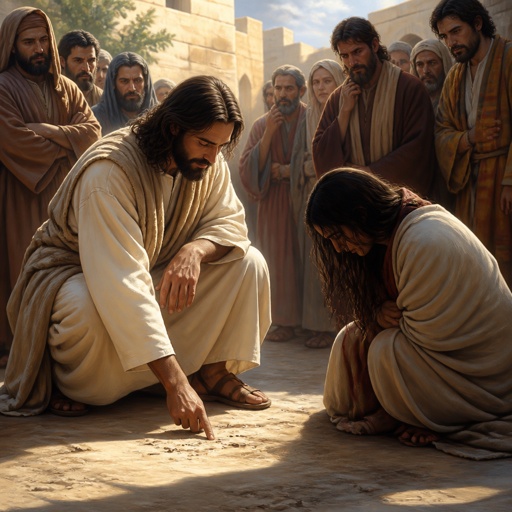
John 8:8 - "And again he stooped down, and wrote on the ground."

John 19:25-27

John 19:26-27

John 21:15-19

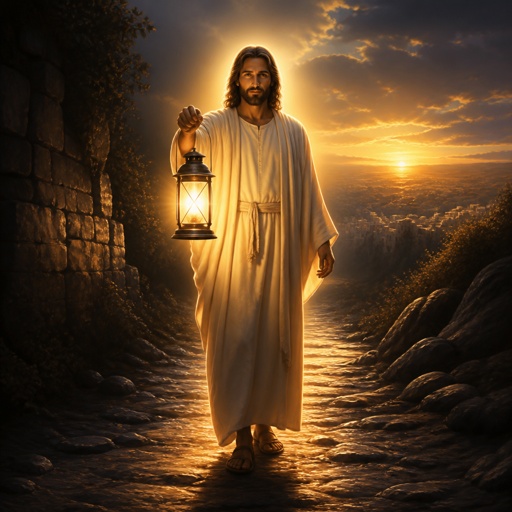
John 8:12

John 10:19 - "¶ There was a division therefore again among the Jews for these sayings."
John 8:12

John 8:12

John 8:12

John 8:12

John 19:1 - "Then Pilate therefore took Jesus, and scourged him."

John 19:25-27 with emphasis on Mary

Isaiah 19:8

Romans 8:19
John 3:5-8